Why Do We Perform Bad Habits? And How Can We Break Them?
TL;DR
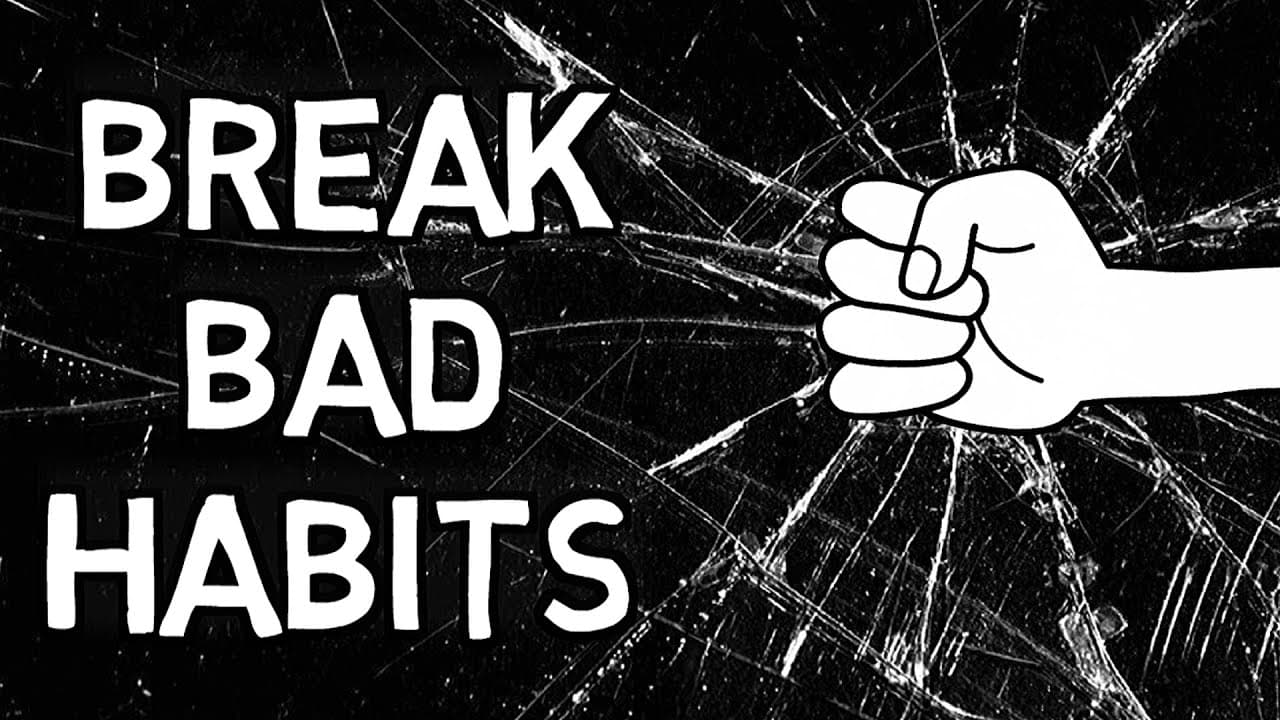
Why do we continue to perform bad habits despite knowing their negative effects and how can we break them?
Transcript
You most likely already know what's good for you and what's not. You know that eating fried, fast food, is not good for you. You understand that laying on the couch, watching TV and browsing social media is also bad. And you're fully aware that smoking is horrible for your health. Now the question is, why do you do the things that you know are not ... Read More
Key Insights
- 🦡 Humans are wired to prioritize instant rewards over delayed benefits, making bad habits difficult to break.
- 🦡 Bad habits fulfill underlying cravings and provide immediate satisfaction, but their consequences are delayed.
- 🦡 Replacing bad habits with better alternatives that fulfill the same needs is an effective strategy in breaking them.
- 🦡 Optimizing the environment and using reward systems can improve the chances of successfully breaking bad habits.
Install to Summarize YouTube Videos and Get Transcripts
Explore YouTube Video Summarizer or Get YouTube Transcript Extractor
Questions & Answers
Q: Why do we continue to perform bad habits even when we know they are detrimental to us?
Humans are wired to prioritize instant rewards over delayed benefits, so we often give in to our cravings for immediate satisfaction without considering the long-term consequences.
Q: How can we break bad habits?
Breaking bad habits involves identifying the underlying cravings and finding better alternatives that fulfill the same needs. It also requires optimizing the environment to make bad habits difficult to perform and adopting a reward system to encourage new habits.
Q: Why is it difficult to eliminate bad habits with delayed consequences?
Our brains prioritize rewards that are certain in the present over future possibilities. Since bad habits provide immediate rewards, it becomes challenging to overcome them due to the delayed consequences.
Q: What is the importance of progress tracking in breaking bad habits?
Progress tracking provides visual proof of the effort put into forming new habits. It can serve as motivation to continue down the right path and offers immediate satisfaction in marking each day of progress.
Key Insights:
- Humans are wired to prioritize instant rewards over delayed benefits, making bad habits difficult to break.
- Bad habits fulfill underlying cravings and provide immediate satisfaction, but their consequences are delayed.
- Replacing bad habits with better alternatives that fulfill the same needs is an effective strategy in breaking them.
- Optimizing the environment and using reward systems can improve the chances of successfully breaking bad habits.
- Breaking bad habits takes time, effort, and perseverance, but the results are attainable with determination and learning from failures.
Summary & Key Takeaways
-
Humans are inclined to prioritize instant gratification over delayed benefits, leading to the indulgence in bad habits.
-
Bad habits provide immediate rewards but come with delayed consequences, making them difficult to eliminate.
-
Identifying the underlying cravings and replacing bad habits with better alternatives that fulfill the same needs is a key strategy in breaking bad habits.
-
Optimizing the environment to make bad habits difficult to perform and good habits easy to do can greatly improve the chances of success.
Read in Other Languages (beta)
Share This Summary 📚
Summarize YouTube Videos and Get Video Transcripts with 1-Click
Try YouTube Summary with ChatGPT & Claude or YouTube Transcript Generator
Explore More Summaries from Better Than Yesterday 📚
Summarize YouTube Videos and Get Video Transcripts with 1-Click
Try YouTube Summary with ChatGPT & Claude or YouTube Transcript Generator