Linux Ransomware
TL;DR
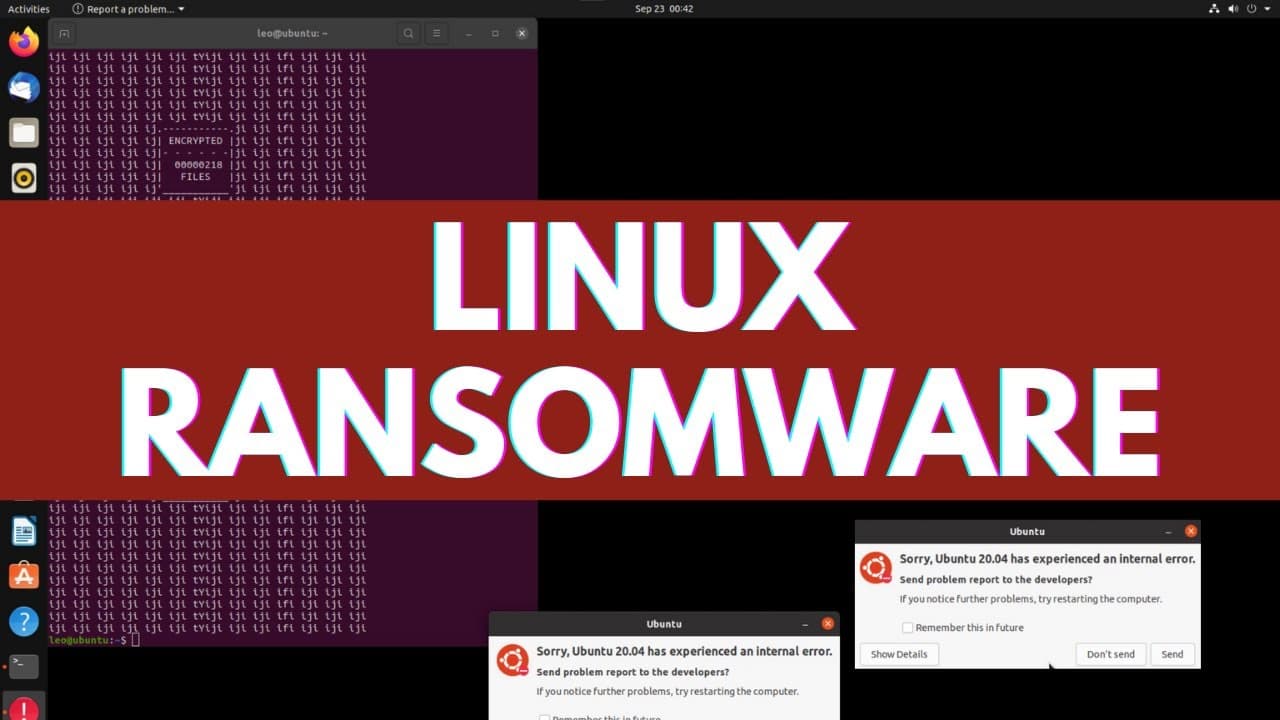
Linux ransomware is a rising threat to Linux systems, with attackers becoming more platform agnostic and targeting organizations that use Linux servers.
Transcript
here goes nothing and what in the name of linus torvalds it says files encrypted also we get an error message i thought those only happen on windows xp right hello and welcome to the pc security channel today we'll be taking a look at linux ransomware so we have a distro of ubuntu over here this is the latest version i believe 20.04 lts now some of... Read More
Key Insights
- 💗 Linux ransomware is a growing threat, with attackers increasingly targeting Linux systems, especially in organizations that rely on Linux servers.
- 📁 Linux ransomware variants, such as Our Evil, can cause significant damage by encrypting files and demanding ransom.
- 😘 Detection rates for Linux ransomware are lower compared to Windows ransomware, highlighting the need for improved detection and prevention measures.
- 🛟 Organizations should prioritize robust backup solutions and invest in reliable security protection for all their systems, including Linux servers.
- 👊 Ransomware attacks are platform agnostic, and encryption, a security mechanism used by all systems, can be exploited by attackers to create ransomware.
- 👊 Cybersecurity is a universal concern, and all operating systems, including Linux, need to be prepared for potential attacks.
- 💝 Staying informed and regularly researching the latest cybersecurity trends and best practices can help organizations stay ahead of ransomware threats.
Install to Summarize YouTube Videos and Get Transcripts
Explore YouTube Video Summarizer or Get YouTube Transcript Extractor
Questions & Answers
Q: Can Linux systems get infected with ransomware?
Yes, Linux systems can be infected with ransomware, as demonstrated by the presence of Linux variants of ransomware like Our Evil. Attackers are becoming more platform agnostic and targeting Linux systems, especially in organizations that rely on Linux servers.
Q: How is Linux ransomware detected, and is the detection as effective as for Windows ransomware?
Linux ransomware is not as well detected as Windows ransomware, as shown by the low detection rates on various scanning engines. However, platforms like Intezer use genetic analysis to identify Linux ransomware variants and correlate them with known threats.
Q: What are some common capabilities of Linux ransomware?
Linux ransomware typically encodes data using base64, encrypts data, may reference specific strings, creates processes, and enumerates PE sections. These capabilities are similar to those found in Windows ransomware and are used to carry out file encryption and ransom demands.
Q: How can organizations protect themselves against Linux ransomware attacks?
Organizations should ensure all their systems, including Linux servers, have up-to-date backups. It is crucial to use reliable security solutions and stay informed about the latest cybersecurity information. Regular research and staying up to date can help prevent being caught off guard by ransomware attacks.
Summary & Key Takeaways
-
Linux ransomware, such as the infamous Our Evil ransomware, has been increasingly targeting Linux systems, including Ubuntu.
-
Linux ransomware encrypts files and demands a ransom to unlock them, similar to Windows ransomware.
-
Linux ransomware is not as well detected as Windows ransomware, making it a significant concern for organizations running Linux servers.
Read in Other Languages (beta)
Share This Summary 📚
Summarize YouTube Videos and Get Video Transcripts with 1-Click
Try YouTube Summary with ChatGPT & Claude or YouTube Transcript Generator
Explore More Summaries from The PC Security Channel 📚




Summarize YouTube Videos and Get Video Transcripts with 1-Click
Try YouTube Summary with ChatGPT & Claude or YouTube Transcript Generator