Why Poor Places Are More Diverse
TL;DR
Soil nutrient levels influence plant diversity, with poor soils fostering high biodiversity.
Transcript
A soccer-field sized patch of forest in frigid Alaska has about 40 different species of plants, compared with about 70 in temperate England and 300 in the Amazonian rain forest. These biodiversity differences hold true for entire countries, too: England has 1500 plant species, while tropical Guyana. The super-diversity of tropical rainforests is on... Read More
Key Insights
- 🌱 Soil nutrient levels significantly impact plant diversity.
- 🤑 Rich soils support fewer but larger plant species.
- 💗 Poor soils foster high plant biodiversity by inhibiting fast-growing species.
- 👻 Time plays a crucial role in allowing ecosystems to evolve diverse plant strategies.
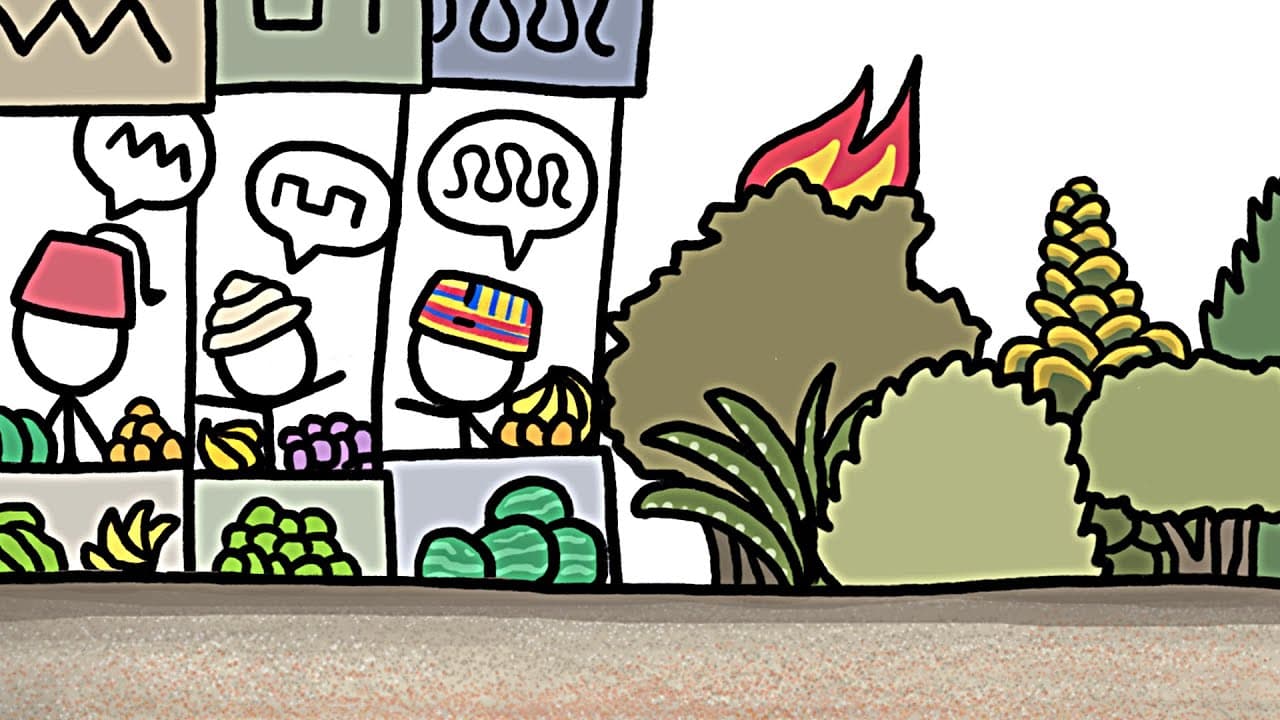
- ✋ The human landscape also mirrors this pattern of high diversity in stable, resource-scarce environments.
- ☀️ Biodiversity can thrive in harsh weather or catastrophe-stricken areas with poor soils.
- 🌏 The Kwongan Foundation at the University of Western Australia supports the conservation of Australia's biodiversity.
Install to Summarize YouTube Videos and Get Transcripts
Explore YouTube Video Summarizer or Get YouTube Transcript Extractor
Questions & Answers
Q: How do soil nutrient levels impact plant diversity?
Soil nutrient levels play a critical role in determining plant diversity, with poor soils fostering high biodiversity by limiting the growth of fast-growing species.
Q: What ecosystems besides rainforests display high plant diversity?
Scrubby fire-prone shrublands in western Australia and southern Africa also showcase high plant diversity comparable to tropical rainforests.
Q: Why do rich soils support fewer but larger plants?
Rich soils provide ample nutrients that fast-growing plants thrive on, leading to fewer but larger plant species overshadowing slower-growing ones.
Q: How does time play a role in fostering plant biodiversity?
Ecosystems that have been undisturbed for millions of years, like rainforests and shrublands, have had time to develop diverse plant strategies for surviving nutrient-poor conditions.
Summary & Key Takeaways
-
Biodiversity varies in different ecosystems due to soil nutrient levels, with the Amazon rainforest having the highest plant species diversity.
-
Rich soils support more of the faster-growing plant species, leading to fewer but larger plants.
-
Poor soils inhibit fast-growing plants, allowing a greater variety of species to coexist.
Read in Other Languages (beta)
Share This Summary 📚
Summarize YouTube Videos and Get Video Transcripts with 1-Click
Try YouTube Summary with ChatGPT & Claude or YouTube Transcript Generator
Explore More Summaries from MinuteEarth 📚






Summarize YouTube Videos and Get Video Transcripts with 1-Click
Try YouTube Summary with ChatGPT & Claude or YouTube Transcript Generator