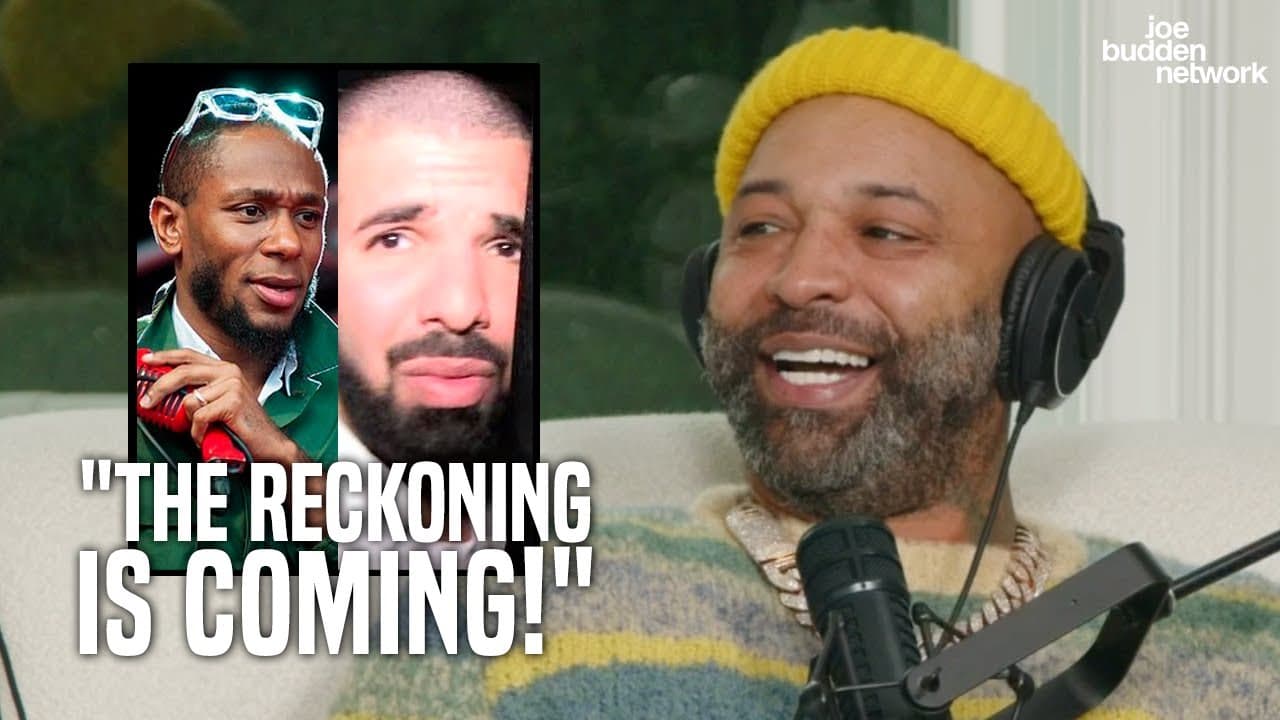
"The Reckoning Is COMING!" says Yasiin Bey (Mos Def) | Joe Budden Reacts to Rare Interview
TL;DR
The conversation critiques consumerism, social responsibility, and historical context through humor and insight.
Transcript
I want to see this whole interview I was cracking up I just I was here for the laughs you know what I mean like that [ __ ] was funny that's a funny way to dis someone and Mos is intelligent he witty yeah [ __ ] compar Drake to the Roman Empire like yo yeah I want I want to play some of these some of these other Clips because I think he was talking... Read More
Key Insights
- ⭕ The superficiality of modern success is likened to ancient empires, suggesting fame is fleeting and often hollow.
- ❓ Consumer culture is critiqued for its role in perpetuating emptiness and dissatisfaction among individuals.
- 🙊 The conversation brings attention to global human rights abuses, calling for activists to speak out against suffering.
- 🉐 A clear call is made for public figures to prioritize social responsibility over personal gain or entertainment.
- 💄 Humor functions as an effective tool for discussing complex societal issues, making them more relatable.
- ❓ Miscommunication and misinformation are portrayed as significant barriers to informed advocacy and social engagement.
- 🫚 The roots of American identity are framed within a colonial context, prompting deeper examination of historical injustices.
Install to Summarize YouTube Videos and Get Transcripts
Explore YouTube Video Summarizer or Get YouTube Transcript Extractor
Questions & Answers
Q: What is the significance of comparing figures like Drake to the Roman Empire?
The comparison serves to illustrate the transient nature of fame and success, drawing parallels between the rise and fall of empires and the fleeting nature of celebrity culture. It suggests that material success does not equate to lasting value or wisdom, pushing a narrative that true worth lies in contributions to society rather than consumerist achievements.
Q: How does the conversation address the issue of consumerism?
The dialogue critiques consumerism by suggesting that it often leaves individuals feeling emptier, feeding into a cycle that fails to provide genuine satisfaction or meaning. It posits that much of modern consumption is designed to mask a deeper societal malaise, leading individuals to pursue hollow achievements while neglecting more significant humanitarian issues.
Q: What are the key points made about social responsibility?
The discussion emphasizes the necessity for public figures to utilize their influence for advocacy, particularly regarding ongoing global injustices. Those who remain silent amid crises are criticized, with the argument that social platforms should be used to raise awareness and foster discussions about urgent issues rather than focusing solely on personal success and trivial matters.
Q: How is humor used in this conversation?
Humor plays a pivotal role in making serious critiques more accessible and engaging. By using levity, the speakers discuss weighty topics without losing the audience's interest, helping to both entertain and provoke thought. This juxtaposition encourages listeners to engage with uncomfortable truths alongside comedic relief.
Q: What does the dialogue suggest about misinformation?
The conversation highlights the overwhelming volume of misinformation surrounding global events, leading many people to feel paralyzed or unsure about how to respond. This environment of confusion is deemed dangerous as it can spur apathy among individuals who might otherwise feel compelled to speak out against injustice, reinforcing the need for reliable sources and clear communication.
Q: What is the historical context mentioned in relation to the United States?
The speakers point to the U.S. as a colonial enterprise, drawing from its roots in corporate-funded conquests and Manifest Destiny. This historical analysis seeks to connect current societal issues back to the problematic foundations of American identity, encouraging listeners to understand contemporary dilemmas in a broader context of systemic injustice.
Summary & Key Takeaways
-
The dialogue humorously dissects the superficiality of modern consumer culture, comparing figures like Drake to historical empires, emphasizing how such success can often lead to emptiness rather than fulfillment.
-
It addresses the ongoing crises in regions like the Congo and Sudan, calling for awareness and action while criticizing the normalization of violence and suffering.
-
The conversation encourages individuals to leverage their platforms for social justice, highlighting the dangers of misinformation in addressing complex global issues.
Read in Other Languages (beta)
Share This Summary 📚
Summarize YouTube Videos and Get Video Transcripts with 1-Click
Try YouTube Summary with ChatGPT & Claude or YouTube Transcript Generator
Explore More Summaries from Joe Budden TV 📚



Summarize YouTube Videos and Get Video Transcripts with 1-Click
Try YouTube Summary with ChatGPT & Claude or YouTube Transcript Generator