Plant-Based Foods Poised For Explosive Growth, But When Will Stocks Catch Up?
TL;DR
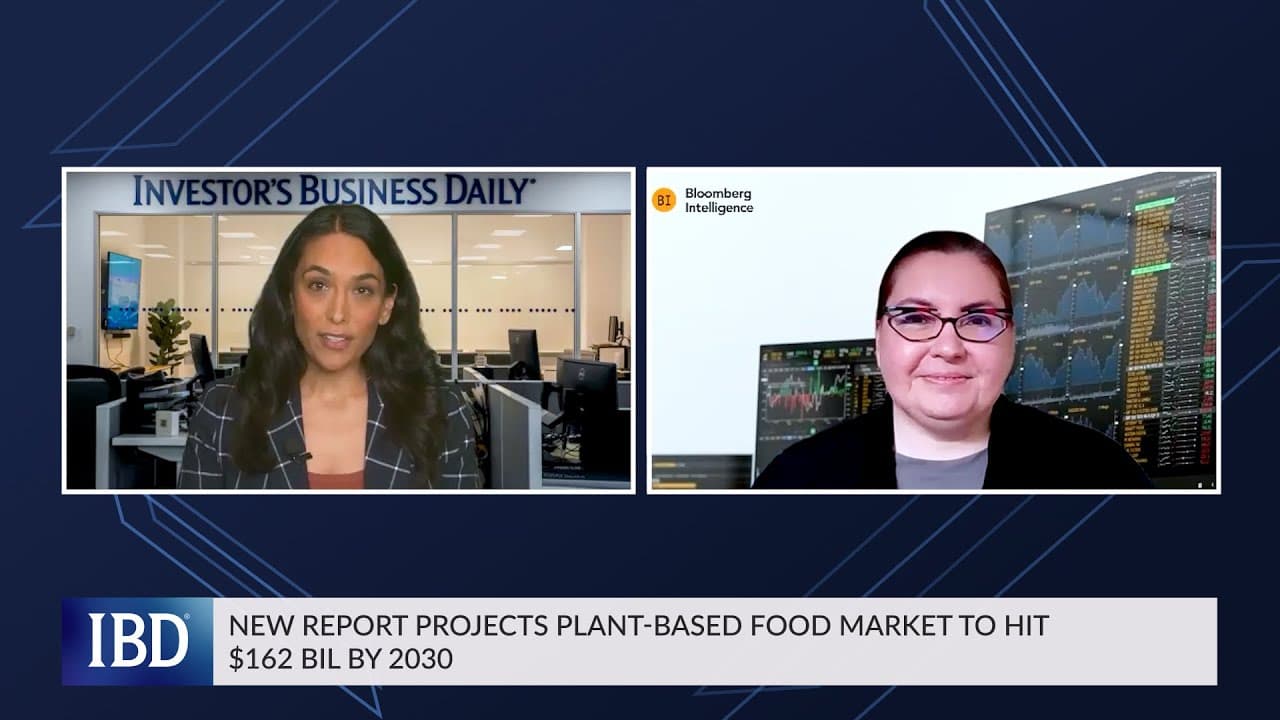
The plant-based food industry is projected to reach $162 billion by the end of the decade, driven by factors such as price parity with conventional proteins, increased distribution, and the entry of big packaged food companies.
Transcript
the popularity of plant-based food products has grown over the last few years thanks to the success of companies like impossible burger and beyond meat and a new report from bloomberg intelligence projects that the plant-based food product industry could hit 162 billion by the end of the decade joining me to break down all the latest fi... Read More
Key Insights
- 😋 The plant-based food industry is projected to reach $162 billion by the end of the decade.
- 🤩 Price parity with conventional proteins, increased distribution, and strategic placement in grocery stores are key growth drivers.
- 😃 Big packaged food companies entering the alternative protein space contribute to industry growth and stability.
- 🍦 Chicken and seafood alternatives, as well as alternative ice cream, cheese replacements, and egg replacements, show promise for future growth.
- 😋 Pure play stocks in the plant-based food industry may experience volatility due to their focus on investment rather than immediate profit.
- 😃 Patience may be required for investors interested in pure play stocks, while those seeking stability can consider big packaged food companies with exposure to the alternative protein market.
- 😋 The plant-based food industry is still young and has not reached its maturity curve.
Install to Summarize YouTube Videos and Get Transcripts
Explore YouTube Video Summarizer or Get YouTube Transcript Extractor
Questions & Answers
Q: What are the key catalysts driving the growth of the plant-based food industry?
There are several catalysts propelling growth, including price parity with conventional proteins, increased distribution and placement in grocery stores, improved efficiency in production, and positive experiences at restaurants leading to repeat purchases.
Q: Why are big packaged food companies entering the alternative protein space?
Big companies like Tyson and Nestle are investing in plant-based products to tap into higher growth segments and leverage their existing distribution networks, allowing them to quickly get these products into stores and reach scale.
Q: Why have some pure play stocks in the plant-based food industry experienced volatility?
These companies are still focused on investing in research and development and product development, rather than delivering immediate profits. Investors expect significant growth, but without a focus on profit, stock prices can be volatile.
Q: Apart from meat alternatives, what other areas of growth are promising in the plant-based food industry?
Chicken alternatives are expected to gain momentum, followed by seafood alternatives. Additionally, alternative ice cream, cheese replacements, and egg replacements for baking and condiments are small categories with high growth potential.
Summary & Key Takeaways
-
The plant-based food industry is expected to grow significantly in the next few years, encompassing meat alternatives as well as dairy and other alternatives.
-
Price parity with conventional proteins makes plant-based products more accessible and encourages repeat purchases.
-
Increased distribution and placement of plant-based products alongside conventional options in grocery stores contribute to their growing popularity.
Read in Other Languages (beta)
Share This Summary 📚
Summarize YouTube Videos and Get Video Transcripts with 1-Click
Try YouTube Summary with ChatGPT & Claude or YouTube Transcript Generator
Explore More Summaries from Investor's Business Daily 📚


Summarize YouTube Videos and Get Video Transcripts with 1-Click
Try YouTube Summary with ChatGPT & Claude or YouTube Transcript Generator