The Kids Aren't Alright: How Social Media Is Fueling the Teen Mental Health Crisis
TL;DR
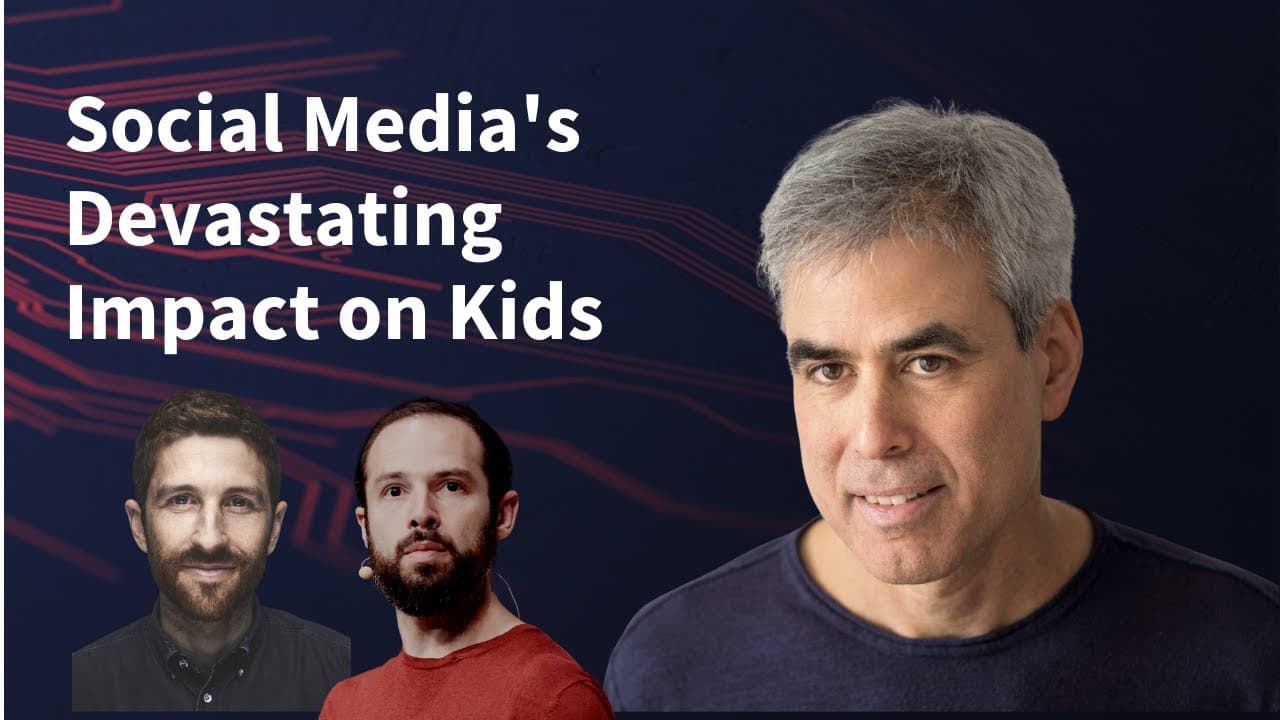
Teen mental health issues are rising significantly, especially among girls due to social media effects.
Transcript
why did rates of depression anxiety skyrocket right around 2012 especially for girls that's jonathan height a social psychologist who's been studying the effects of social media on teen mental health millennials are not really more depressed than previous generations but suddenly kids born in 1996 and later are very different from the millennials a... Read More
Key Insights
- 😮 The rise in teenage mental health issues correlates with the advent of social media, particularly starting around 2012.
- 👩 Women and girls are disproportionately affected by social media-induced anxiety and depression compared to their male counterparts.
- 😀 The mechanisms of social feedback in apps like TikTok can amplify insecurities and addictive behaviors among young users.
- 😒 Social comparison and peer validation are critical components that drive the relationship between social media use and mental health struggles.
- 💨 Research indicates that the way social media is designed may not support healthy emotional development for users.
- 🧑⚕️ Interventions such as school policies to limit social media access could potentially reduce mental health issues among teens.
- 🤯 The current technology landscape requires a regulatory approach centered on the wellbeing of young users, with social media being developed with ethical considerations in mind.
Install to Summarize YouTube Videos and Get Transcripts
Explore YouTube Video Summarizer or Get YouTube Transcript Extractor
Questions & Answers
Q: What specific trends in mental health have been observed since 2012 among teenagers?
Since 2012, there’s been a notable increase in depression, anxiety, and self-harm among teenagers, particularly among girls. Studies show that these trends align closely with the rise of social media usage, suggesting that the online environment may be a significant contributing factor to these mental health issues. The rise in hospital admissions for self-harm and suicide attempts further indicates that this is a critical public health concern.
Q: How does social media influence the behaviors and mental states of teenagers?
Social media platforms often amplify feelings of inadequacy and comparison among teenagers. They thrive on social feedback, leading to addictive behaviors where likes and comments serve as validation. For instance, an Instagram post that doesn’t receive expected engagement can trigger feelings of shame, affecting self-esteem. This need for social approval is particularly pronounced among girls, making them more susceptible to mental health challenges.
Q: Why are middle school students specifically targeted for research on social media use?
Middle school students are in a critical developmental stage where they form their identities and social relationships. At this age, the impacts of social media are particularly acute, as they are more likely to experience peer pressure and social exclusion. By studying this age group, researchers can better understand the paths to mental health issues and how social media might play a role in exacerbating them.
Q: What experimental approach is suggested for addressing mental health issues related to social media?
It’s recommended to conduct community-wide experiments in school districts that would involve discouraging middle school students from using social media until high school. This could involve policies that limit device access during school hours. By comparing outcomes between schools that implement such guidelines and those that don’t, researchers can ascertain the impact of reduced social media exposure on teen mental health.
Q: Could adults be held responsible for children’s social media use?
Yes, there’s a growing argument that technology companies should have a higher level of responsibility when it comes to issues related to children's online engagement. Since social media platforms are often not designed with children's welfare in mind, and since children may feel pressured to engage to fit in socially, it raises ethical questions about the companies' practices and their impact on developing minds.
Q: How do social media platforms manipulate user behavior?
Social media platforms utilize algorithms that optimize engagement by providing instant feedback, often amplifying the need for social validation among users, particularly youth. Features like likes and shares are designed to hook users into spending more time on the platform, creating a cycle of addictive behavior. This can lead to detrimental impacts on mental health as users constantly seek approval and feel anxious about their online presence.
Summary & Key Takeaways
-
Research indicates that rates of depression and anxiety among Generation Z girls spiked around 2012, coinciding with widespread social media use.
-
Jonathan Haidt argues that the uplifting nature of social feedback on platforms like TikTok exacerbates mental health problems, with teens becoming reliant on likes and comments for validation.
-
Proposed solutions include limiting social media access in schools and conducting community-level experiments to assess mental health impacts effectively.
Read in Other Languages (beta)
Share This Summary 📚
Summarize YouTube Videos and Get Video Transcripts with 1-Click
Try YouTube Summary with ChatGPT & Claude or YouTube Transcript Generator
Explore More Summaries from Center for Humane Technology 📚

Summarize YouTube Videos and Get Video Transcripts with 1-Click
Try YouTube Summary with ChatGPT & Claude or YouTube Transcript Generator