Does Religious Belief Affect Scientific Inquiry?
TL;DR
Many scientists believe in God, faith doesn't hinder ethical science, both worldviews can coexist, and strong atheist claims are challenging to sustain.
Transcript
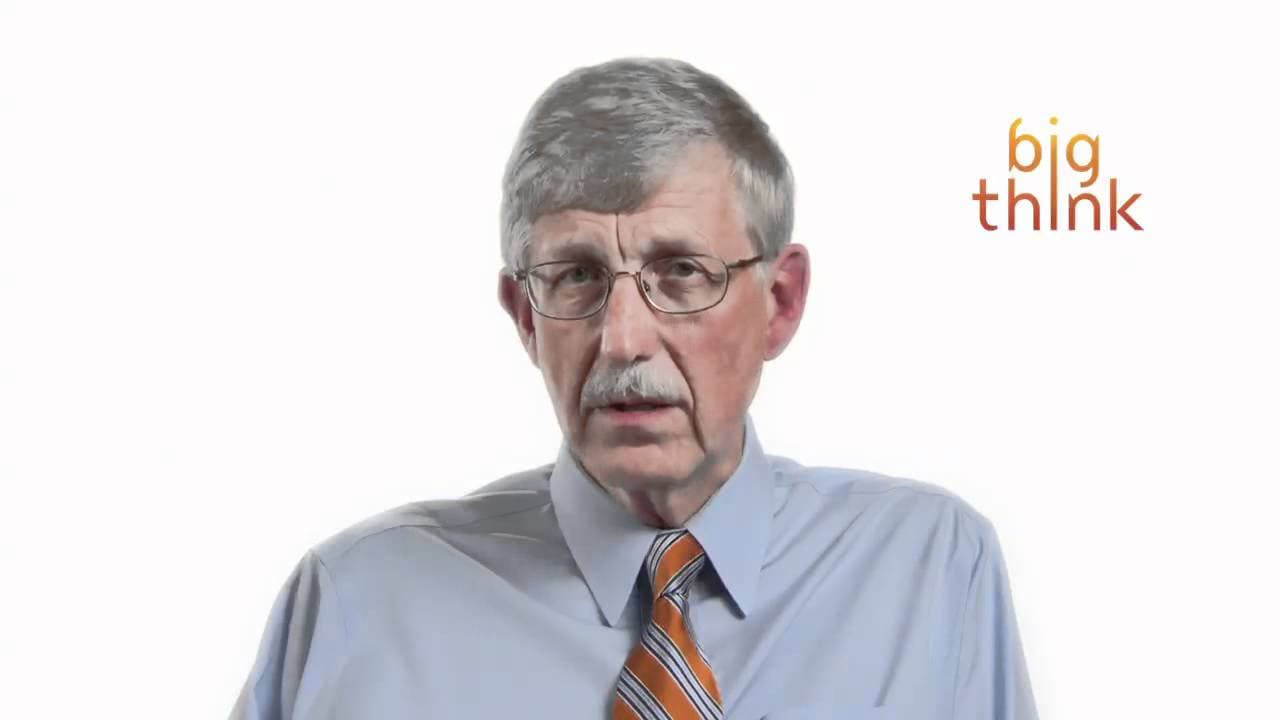
well actually surveys I have seen indicate about 40% of scientists believe in a God to whom one may pray an expectation of an answer that's not a God who went off after creating the universe and did something else that's a God who's interested in human beings 40% would adhere to that statement the numbers are smaller when you ask members of the Nat... Read More
Key Insights
- 🧑🔬 Scientists and faith aren't mutually exclusive; around 40% of scientists believe in God.
- 👨🔬 Personal beliefs like faith can coexist with ethical scientific research.
- 👻 Bridging the gap between science and religion allows for a more holistic view of truth.
- 🔬 Both science and religion offer unique perspectives on answering different types of questions.
- 💪 The strong atheist position can be challenging to sustain due to the complexity of the God debate.
- 🥺 The coexistence of faith and science can lead to a more harmonious cultural dialogue.
- 👨🔬 The search for God's existence or non-existence is complex and not easily definitive.
Install to Summarize YouTube Videos and Get Transcripts
Explore YouTube Video Summarizer or Get YouTube Transcript Extractor
Questions & Answers
Q: Do a significant number of scientists believe in God?
Yes, around 40% of scientists acknowledge a belief in God, suggesting that faith and science can coexist in some instances.
Q: Does faith influence the ethical behavior of scientists?
The presence of faith does not diminish a scientist's ability to make ethical decisions in research, emphasizing the separation of personal beliefs from scientific inquiry.
Q: Why is it important for science and religion to not be in conflict?
Harmony between science and religion allows for a broader understanding of truth and the realization that both worldviews have a role in answering different types of questions.
Q: What challenges are associated with the strong atheist position according to the content?
The content points out that claiming to know definitively that there is no God is a position of hubris and arrogance, highlighting the complexity of discussions about the existence of God.
Summary & Key Takeaways
-
Around 40% of scientists believe in a God who can interact with humans, challenging the assumption that science and faith are mutually exclusive.
-
Faith does not negatively impact ethical decision-making in scientific research, showing that personal beliefs can coexist with scientific inquiry.
-
The divide between science and religion should be bridged to allow for a more harmonious understanding of truth.
Read in Other Languages (beta)
Share This Summary 📚
Summarize YouTube Videos and Get Video Transcripts with 1-Click
Try YouTube Summary with ChatGPT & Claude or YouTube Transcript Generator
Explore More Summaries from Big Think 📚



Summarize YouTube Videos and Get Video Transcripts with 1-Click
Try YouTube Summary with ChatGPT & Claude or YouTube Transcript Generator