The 5 Stages of Coronavirus
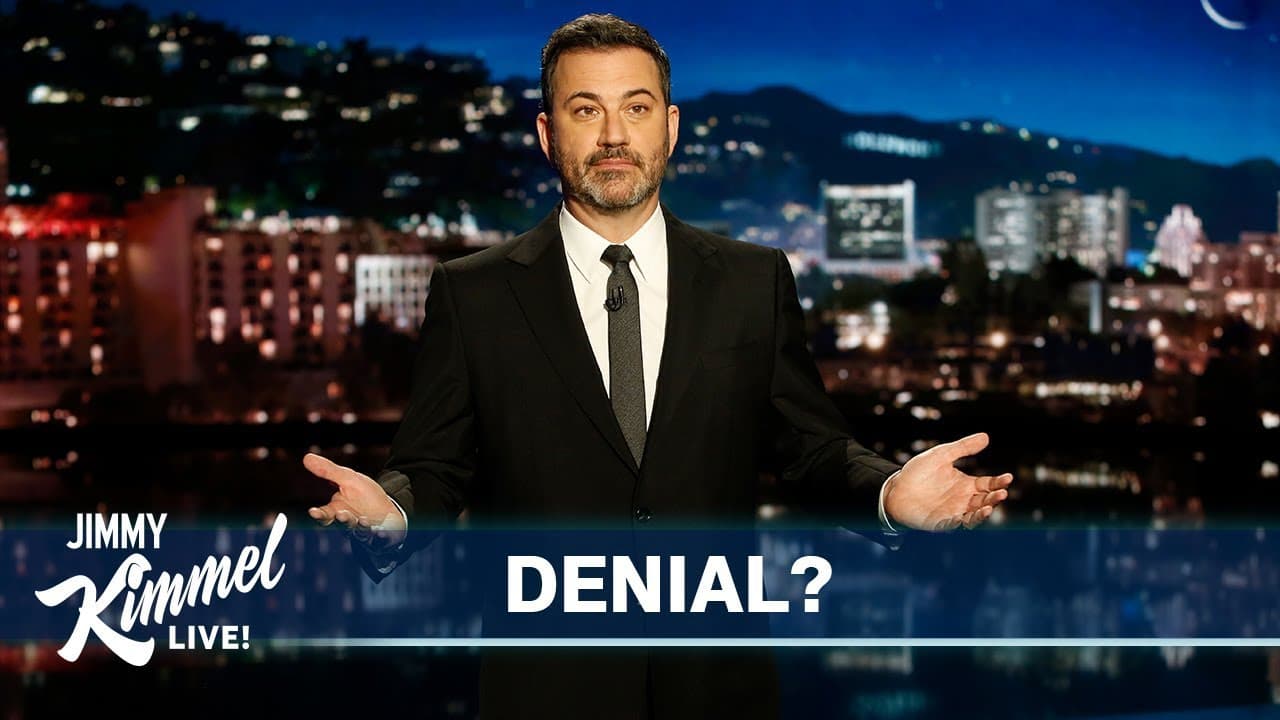
TL;DR
The COVID-19 pandemic triggers mixed reactions, political satire, and bizarre solutions from public figures.
Transcript
WE HAVE A LOT TO GET TO. A LOT OF IT HAS TO DO WITH THE CORONAVIRUS, WHICH, AS YOU KNOW WAS STARTED BY NETFLIX TO GET PEOPLE TO WATCH MORE OF THEIR TELEVISION, TRUE. THE VIRUS WAS OFFICIALLY DECLARED A PANDEMIC BY THE WORLD HEALTH ORGANIZATION TODAY. MAJOR EVENTS ARE BEING CANCELED, POSTPONED. THE TAX DEADLINE MAY EVEN BE POSTPONED. THEY'RE T... Read More
Key Insights
- 🧡 The pandemic has triggered a spectrum of emotional reactions ranging from denial to depression, reflecting collective societal anxiety.
- 🇨🇫 Major events, including sporting competitions, have adapted by eliminating public attendance to mitigate virus spread, which highlights the severity of the pandemic.
- 🧑⚕️ Political figures' actions, particularly Trump's, often blend humor with controversy, revealing a disconnect between public health guidelines and political rhetoric.
- 🧻 Public behavior, such as hoarding toilet paper, showcases irrational responses fueled by fear and uncertainty during crises.
- 🧑⚕️ The contrast between serious public health concerns and bizarre remedies discussed in society creates a platform for satire, exposing human tendencies to seek quick fixes in dire times.
- 👻 The easing of public tensions is often facilitated through humor, allowing people to confront the realities of the pandemic while finding relief in comedic interpretations.
- 🪡 Various social media and televised segments discussed the need for distance, encouraging alternative greetings like the elbow bump to reduce virus transmission risks.
Install to Summarize YouTube Videos and Get Transcripts
Explore YouTube Video Summarizer or Get YouTube Transcript Extractor
Questions & Answers
Q: What are the five stages of reaction to the COVID-19 pandemic mentioned in the content?
The five stages are denial, anger, bargaining, depression, and acceptance. Denial involves believing oneself immune to the virus, anger looks at frustrations with shortages, bargaining represents creative attempts to avoid sanitation issues, depression centers on cancelled events, and acceptance involves coming to terms with the situation.
Q: How has the sports world reacted to the pandemic according to the content?
Major sports events have continued but with significant changes, such as the NCAA's decision to hold March Madness games without fans. This shift to spectator-less games illuminates how serious the situation has become, highlighting the risks involved in public gatherings amid the spread of the virus.
Q: What humorous commentary is provided regarding President Trump's handling of the situation?
The content humorously critiques President Trump's approach to health guidelines, suggesting that he might not heed expert advice, despite being in a high-risk category for COVID-19. It mocks his insistence on continuing handshakes despite warnings, suggesting he might not prioritize public safety.
Q: How did public sentiment manifest in hoarding behaviors as described in the content?
The content illustrates public panic and hoarding tendencies, particularly surrounding toilet paper, emphasizing a sense of widespread irrationality and fear. This behavior, seen in places like grocery stores, reflects a psychological response to perceived impending shortages and the chaos surrounding the pandemic.
Q: What role does humor play in the content's delivery about serious topics?
Humor is utilized as a coping mechanism to discuss the grave realities of the pandemic and political responses. By blending satire with social commentary, the content alleviates tension and provides a platform for audiences to reflect on absurdities in human behavior amidst crises.
Q: What was the reaction to political figures' responses to the COVID-19 crisis?
The content portrays political figures, particularly Trump and Pence, as portraying mixed messages regarding handshakes during the pandemic, showcasing a lack of consistent public health messaging and highlighting the absurdity of their approaches with comedic flair.
Q: What bizarre health remedies were mentioned, and how were they received?
The content references dubious health remedies promoted by individuals like televangelist Jim Baker, who touts a 'silver solution' for COVID-19. The responses reflect skepticism and ridicule, emphasizing the absurdity of such claims amid a global health crisis.
Summary & Key Takeaways
-
The content discusses the various stages of public reaction to the COVID-19 pandemic, highlighting feelings of denial, anger, bargaining, depression, and anxiety prevalent in society.
-
It humorously suggests that while major events are canceled, public responses can sometimes be irrational, like hoarding toilet paper, and reflects on mixed messages from political leaders regarding health safety protocols.
-
Political figures and celebrities are showcased in a satirical light, with comments on their responses to the crisis and their attempts to gain political leverage or promote dubious health remedies.
Read in Other Languages (beta)
Share This Summary 📚
Summarize YouTube Videos and Get Video Transcripts with 1-Click
Try YouTube Summary with ChatGPT & Claude or YouTube Transcript Generator
Explore More Summaries from Jimmy Kimmel Live 📚


Summarize YouTube Videos and Get Video Transcripts with 1-Click
Try YouTube Summary with ChatGPT & Claude or YouTube Transcript Generator