The Science Behind 'Genetically Modified Humans'
TL;DR
Scientists are exploring germ-line engineering to eliminate heritable diseases, sparking debate about ethical implications and potential risks.
Transcript
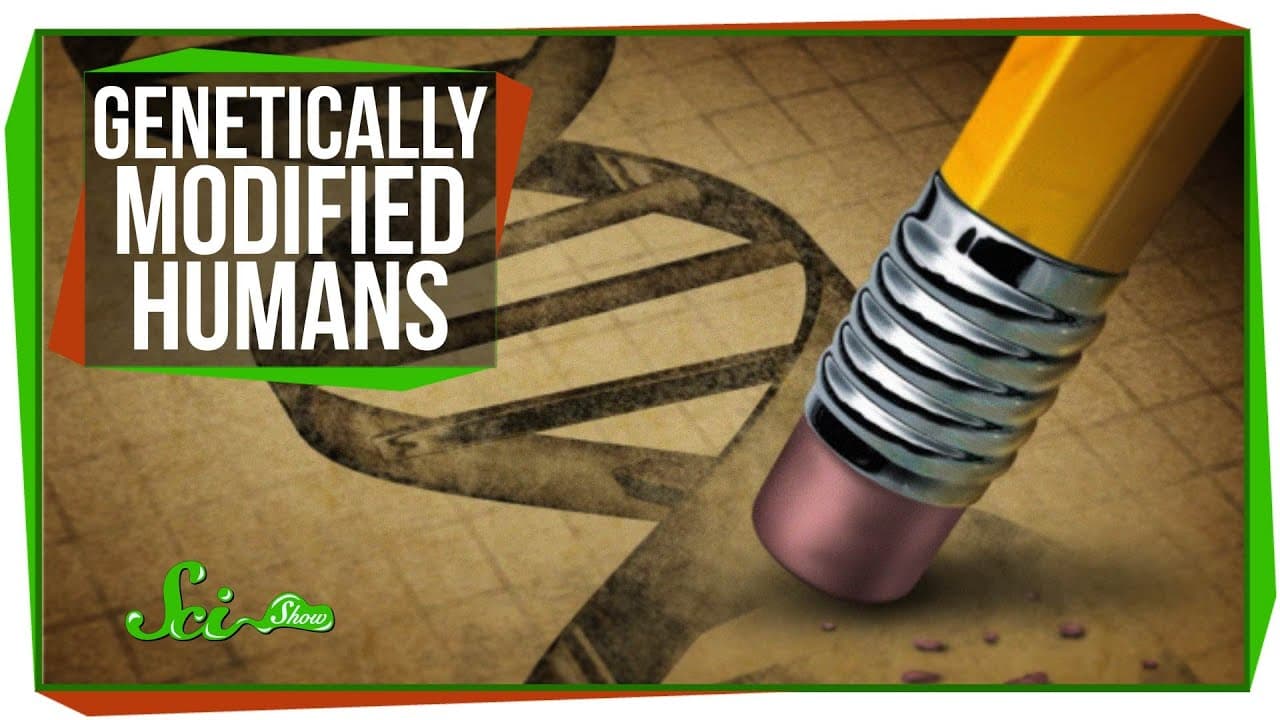
What if we could improve the human gene pool? Create children that are free of the genes that cause inherited diseases, like Huntington’s or certain kinds of cancer, by modifying the DNA in eggs, sperm, or embryos? Well, it’s possible. The media have been talking about it lately in terms of “genetically modified humans” or “designer babies.” But to... Read More
Key Insights
- 🇩🇪 Germ-line engineering aims to eliminate heritable diseases by editing genes in germ cells.
- 🦠 CRISPR technology enables precise gene editing in germ cells, potentially preventing disease transmission.
- 🫥 Controversy surrounds germ-line engineering due to its unpredictability and potential risks, prompting calls for a moratorium on research.
- ❓ Critics highlight the importance of considering alternative methods like in vitro fertilization for preventing genetic diseases.
- 🫥 Geneticists advocating for pausing germ-line engineering research emphasize the need for public dialogue and ethical considerations.
- 🚱 Somatic cell engineering offers a non-heritable alternative for treating diseases without affecting future generations.
- 👨🔬 Public concerns about genetic engineering could impact less controversial research, highlighting the need for clear communication and transparency.
Install to Summarize YouTube Videos and Get Transcripts
Explore YouTube Video Summarizer or Get YouTube Transcript Extractor
Questions & Answers
Q: What is germ-line engineering and how does it work?
Germ-line engineering involves editing genes in sperm, eggs, or embryos to prevent heritable diseases. CRISPR technology enables precise editing by replacing mutated genes with healthy ones.
Q: Why is germ-line engineering controversial?
Germ-line engineering is controversial due to its unpredictability and potential risks, such as unintended genetic mutations. Critics also argue that alternative methods like in vitro fertilization could achieve similar results without genetic manipulation.
Q: What concerns do researchers have about germ-line engineering?
Researchers are concerned about the unpredictable nature of germ-line engineering and the potential for unintended consequences. They also worry about public perception affecting other genetic engineering research.
Q: Why are some geneticists calling for a moratorium on germ-line engineering?
Geneticists are calling for a moratorium on germ-line engineering to allow time for further discussion and consideration of ethical implications and potential risks. They want to ensure public involvement in shaping the future of genetic engineering.
Summary & Key Takeaways
-
Germ-line engineering could eliminate heritable diseases by editing DNA in sperm, eggs, or embryos.
-
CRISPR technology allows for precise editing of genes in germ cells to prevent disease transmission.
-
Debate surrounds the unpredictability and potential risks of germ-line engineering, prompting calls for a moratorium on research.
Read in Other Languages (beta)
Share This Summary 📚
Summarize YouTube Videos and Get Video Transcripts with 1-Click
Try YouTube Summary with ChatGPT & Claude or YouTube Transcript Generator
Explore More Summaries from SciShow 📚


Summarize YouTube Videos and Get Video Transcripts with 1-Click
Try YouTube Summary with ChatGPT & Claude or YouTube Transcript Generator