Evidences in Landscapes and Human Health
TL;DR
Urban green spaces significantly enhance mental and physical health.
Transcript
first of all i would like to uh describe some background in the situation of us right now according to the united nations there are more than almost 70 percent of people were living in the urban area until 2050. i think as you can see from the slides that living in the urban area does have some convenience like getting food getting things done and ... Read More
Key Insights
- By 2050, 70% of the global population will reside in urban areas, which can lead to increased stress due to crowding and fast-paced environments.
- Access to natural landscapes can mitigate urban stress, enhancing mental and physical health through ecosystem services.
- Biodiversity in urban parks, including plant and bird species, positively influences human mental and physical health.
- Senior citizens living near forests show improved brain health, particularly in areas related to emotion and memory.
- Living in greener cities reduces health disparities between different socio-economic groups, particularly in terms of mortality rates.
- Urban trees are essential for public health, offering benefits such as reduced anxiety and stress when prescribed by doctors.
- Street trees improve attention span, with varying levels of awareness impacting the degree of improvement.
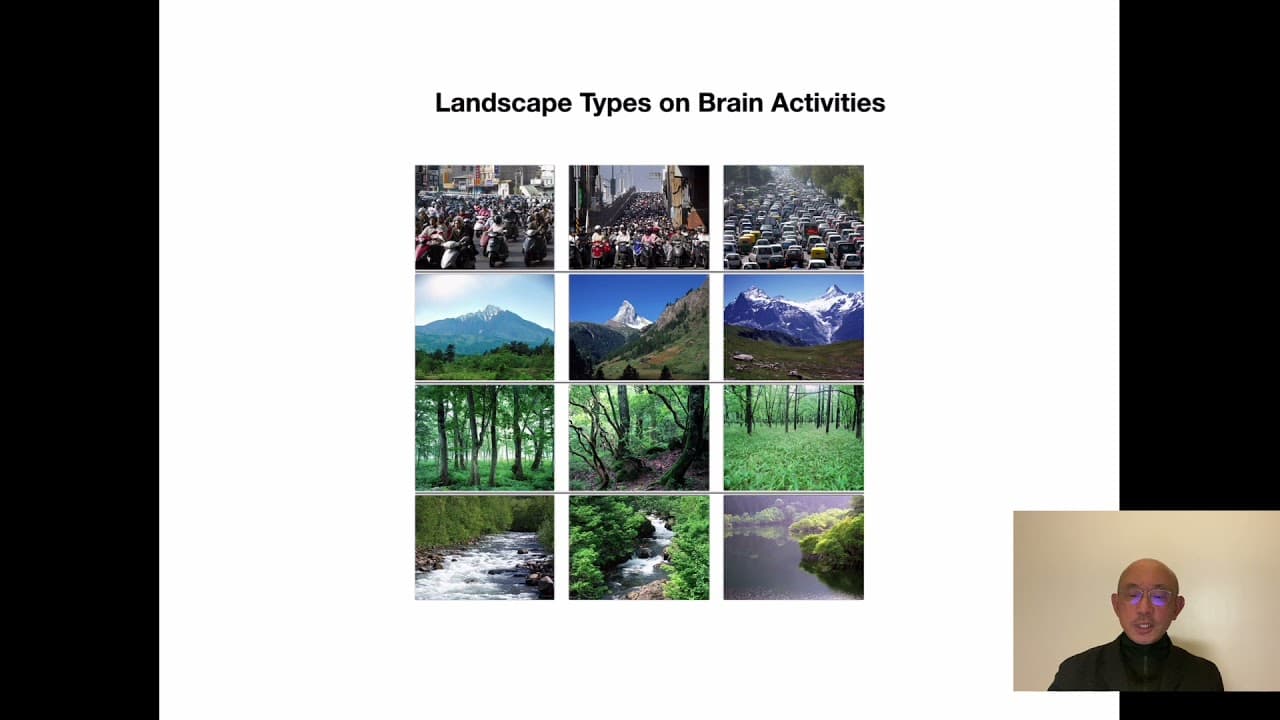
- Different landscape designs, such as layered mountain views, can enhance mental well-being and stimulate brain areas related to creativity and pleasure.
Install to Summarize YouTube Videos and Get Transcripts
Explore YouTube Video Summarizer or Get YouTube Transcript Extractor
Questions & Answers
Q: How does urban living impact mental health?
Urban living often results in increased stress due to crowding, fast-paced environments, and limited access to nature. This can lead to anxiety and reduced mental well-being. However, access to natural landscapes within urban areas can mitigate these effects by providing opportunities for stress relief and mental restoration.
Q: What role does biodiversity play in urban health?
Biodiversity, particularly in urban parks, plays a significant role in enhancing mental and physical health. The presence of diverse plant and bird species can improve mental well-being by providing aesthetic pleasure and opportunities for relaxation, thereby reducing stress and promoting physical health.
Q: How do street trees influence attention span?
Street trees have been shown to improve attention span. Studies indicate that even minimal awareness of trees can lead to increased attention, with heightened awareness providing the most significant improvement. The presence of trees in urban environments helps individuals focus better and reduces cognitive fatigue.
Q: What are the benefits of living in greener cities?
Living in greener cities offers numerous health benefits, including reduced health disparities among socio-economic groups. Individuals in greener areas experience lower mortality rates, particularly among low-income residents. Green spaces provide mental health benefits, reduce stress, and promote overall well-being.
Q: How are urban trees linked to public health?
Urban trees are increasingly recognized as essential to public health. They provide psychological benefits, such as reduced anxiety and stress. In some regions, doctors are prescribing nature exposure, including time spent around trees, as a way to improve mental health and lower blood pressure.
Q: What landscape design elements enhance mental well-being?
Landscape designs that incorporate depth and layering, such as views of layered mountains, can enhance mental well-being. These designs stimulate brain areas related to pleasure and creativity, offering a sense of relaxation and aesthetic appreciation. Different design approaches can evoke various psychological and emotional responses.
Q: How does proximity to forests affect seniors' brain health?
Proximity to forests positively affects seniors' brain health, particularly in areas related to emotion and memory. Studies show that living near forests can lead to better brain health outcomes, as the natural environment supports emotional regulation and cognitive functions crucial for aging individuals.
Q: What are the cognitive benefits of nature exposure?
Exposure to nature offers cognitive benefits by enhancing attention, memory, and emotional regulation. It stimulates brain areas associated with these functions, providing a natural form of mental exercise. Nature exposure can also improve self-regulation, helping individuals focus better and resist distractions in daily tasks.
Summary & Key Takeaways
-
Urban living can be stressful, but access to natural landscapes provides significant benefits for mental and physical well-being. Studies show that biodiversity in parks, such as plant and bird species, can improve health outcomes. Urban infrastructure, like street trees, plays a crucial role in enhancing attention and reducing stress.
-
Research indicates that seniors living near forests have better brain health, particularly in areas related to emotion and memory. Moreover, living in greener cities reduces health disparities, with lower mortality rates observed among low-income residents compared to those in less green areas.
-
Urban trees are now recognized as vital for public health, with doctors prescribing nature exposure to reduce anxiety and stress. Different landscape designs can also influence mental health, with layered mountain views enhancing pleasure and creativity by stimulating specific brain areas.
Read in Other Languages (beta)
Share This Summary 📚
Summarize YouTube Videos and Get Video Transcripts with 1-Click
Try YouTube Summary with ChatGPT & Claude or YouTube Transcript Generator