Chamath on forgiving his father
TL;DR
This content discusses the psychological impact of growing up in a dysfunctional household and the process of healing and forgiveness as a result.
Transcript
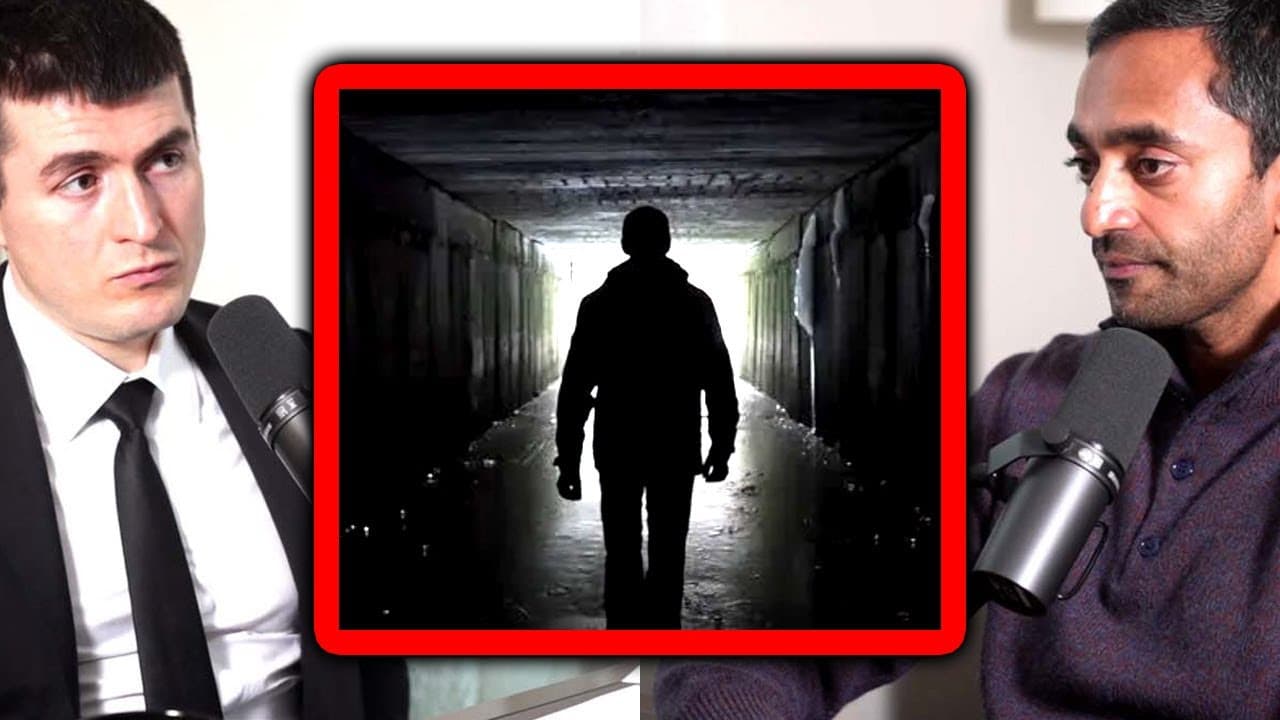
you grew up in a dysfunctional household on welfare you've talked about this before what war for you personally psychologically some difficult moments in your childhood I'll answer that question in a slightly different way which is that I think when you grow up in a household that's defined by physical abuse and psychological abuse you're hyper Vig... Read More
Key Insights
- 💗 Growing up in a dysfunctional household leaves a lasting impact on an individual's psychological well-being.
- 💀 Hyper vigilance becomes a coping mechanism, causing individuals to constantly anticipate danger.
- ❓ Rare moments of happiness and compassion from outsiders deeply resonate with individuals who experienced abuse.
- 👪 Healing and forgiveness require understanding the perspectives of abusive parents and finding empathy, but not justifying their actions.
- 🤳 Seeking external validation often becomes a substitute for self-worth and can be a part of the healing process.
- 🥰 The loss of a loved one and the absence of external validation can lead to a reevaluation of one's sense of self.
- 👻 Forgiveness does not excuse the actions of abusive parents but acknowledges their limitations and allows for personal growth.
Install to Summarize YouTube Videos and Get Transcripts
Explore YouTube Video Summarizer or Get YouTube Transcript Extractor
Questions & Answers
Q: How did growing up in a dysfunctional household affect the speaker psychologically?
Growing up in an abusive environment made the speaker hyper vigilant and constantly on edge, leading to a diminished sense of self-worth and a deep feeling of unworthiness.
Q: How did the speaker begin to let go of blame towards their parents?
Letting go of blame required a long process of compartmentalizing memories, seeking external validation, and eventually understanding and empathizing with their parents' struggles and constraints.
Q: Is the hyper vigilance loop still present in the speaker's life today?
The speaker acknowledges that the echoes of the hyper vigilance loop are still present, but they have worked towards healing and breaking free from its negative effects.
Q: How did the speaker forgive their parents for their actions?
Forgiveness came about after a lengthy process of understanding their parents' perspectives, finding compassion and empathy, and recognizing the sacrifices their parents made for their future.
Summary & Key Takeaways
-
The speaker recounts moments of physical and psychological abuse in their childhood, which led to a constant state of hyper vigilance.
-
Despite the difficult upbringing, the speaker cherishes rare moments of happiness and compassion from others, which were deeply ingrained in their memory.
-
The process of healing and forgiveness involved understanding their parents' perspectives, finding empathy, and accepting that their parents did the best they could under their own circumstances.
Read in Other Languages (beta)
Share This Summary 📚
Summarize YouTube Videos and Get Video Transcripts with 1-Click
Try YouTube Summary with ChatGPT & Claude or YouTube Transcript Generator
Explore More Summaries from Lex Clips 📚



Summarize YouTube Videos and Get Video Transcripts with 1-Click
Try YouTube Summary with ChatGPT & Claude or YouTube Transcript Generator