It’s Over: China Just Broke The US Dollar
TL;DR
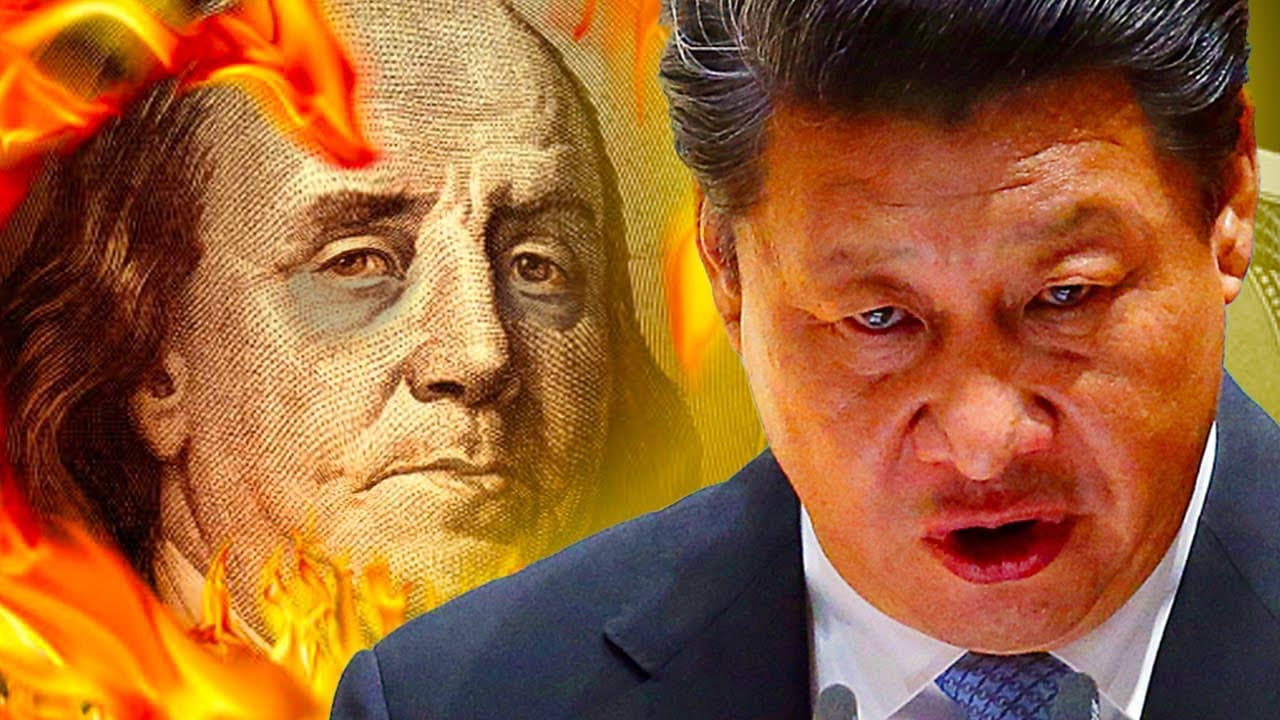
China and Brazil have made a deal to trade in their own currencies, signaling a move away from the US dollar as a reserve currency.
Transcript
what's up guys it's Graham here so it's official China and Brazil have just struck a deal to ditch the US dollar whoops okay before everyone freaks out don't worry it's a fake build for dramatic effect but the point Still Remains the world's second largest economy is slowly cutting off ties with the United States and this not surprisingly is the fi... Read More
Key Insights
- 🧘 The US dollar has been the dominant reserve currency for the past 80 years, but its position is now being challenged.
- 💱 Historically, reserve currencies have changed every 100 years, indicating that a shift from the US dollar is possible.
- 🇿🇦 China, Russia, India, Brazil, and South Africa have already established their own reserve currency, further signaling a potential transition.
- 🌐 While there are concerns about the US dollar's future, it still accounts for the majority of global transactions and is unlikely to be replaced without a significant event.
Install to Summarize YouTube Videos and Get Transcripts
Explore YouTube Video Summarizer or Get YouTube Transcript Extractor
Questions & Answers
Q: Why has China and Brazil decided to trade in their own currencies?
China and Brazil's decision to trade in their own currencies is a strategic move to reduce reliance on the US dollar and increase bilateral trade between the two countries.
Q: What are the implications of this move for the US dollar?
The move by China and Brazil, along with other countries that have shifted away from the US dollar, indicates a weakening confidence in the dollar's status as a reserve currency. However, the US dollar still dominates global transactions for now.
Q: Is there a risk of the US dollar losing its reserve currency status?
While the future of the US dollar is uncertain, it is unlikely to be replaced as the reserve currency in the near future. The US dollar's dominance in global transactions and the lack of a viable alternative make a sudden change unlikely.
Q: What are the factors contributing to the decline of the US dollar as a reserve currency?
Factors such as US government policies, heavy-handed actions, excess government spending, and increasing competition between countries have contributed to the decline of the US dollar as a reserve currency.
Summary & Key Takeaways
-
China and Brazil have struck a deal to trade in their own currencies, bypassing the need for US dollars.
-
This is part of a larger trend of countries moving away from the US dollar as a reserve currency.
-
The US dollar is still the dominant currency for global transactions, but its position as a reserve currency is uncertain.
Read in Other Languages (beta)
Share This Summary 📚
Summarize YouTube Videos and Get Video Transcripts with 1-Click
Try YouTube Summary with ChatGPT & Claude or YouTube Transcript Generator
Explore More Summaries from Graham Stephan 📚






Summarize YouTube Videos and Get Video Transcripts with 1-Click
Try YouTube Summary with ChatGPT & Claude or YouTube Transcript Generator