What Are the Risks of Big Pharma Banning Health Supplements?
TL;DR
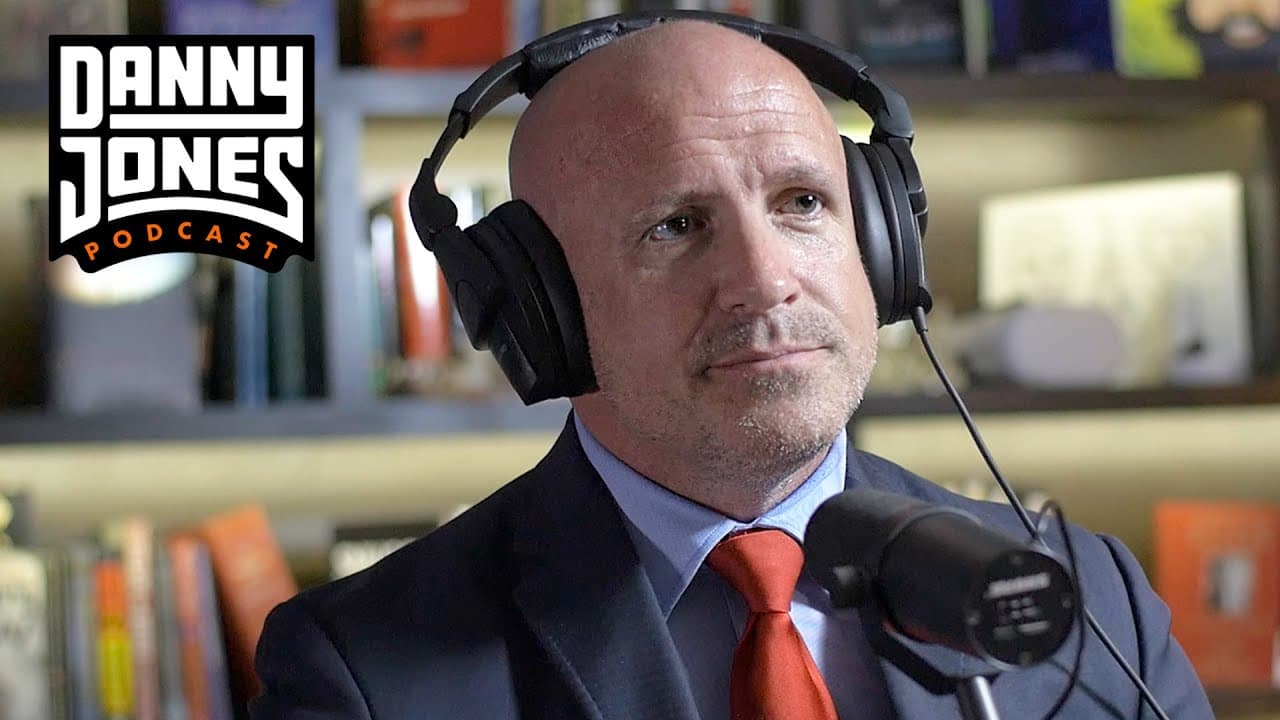
The potential banning of health supplements by Big Pharma poses significant risks to consumer access and choices. The discussion highlights the challenges within FDA regulations, including limited inspections and a lack of nutritional education among healthcare professionals, which could lead to misinformation about supplements. Advocating for transparency and maintaining access to these products is crucial amidst ongoing regulatory changes.
Transcript
foreign for the FDA for how many years from 2011 to 2014. and what was your role at the FDA I was the director of the dietary supplement programs there so um there was a it was a division then it's under that one sorry it was a division now it's an office about 26 people in charge of dietary supplement policy for the whole country and getting invol... Read More
Key Insights
- 😀 The FDA's approach to dietary supplement regulation has faced criticism for limiting access to products with proven safety.
- 🧑⚕️ Limited nutritional education among health professionals contributes to misinformation about dietary supplements.
- 😀 Public advocacy is crucial for maintaining access to dietary supplements in the face of regulatory challenges.
- ✋ There is a significant disparity in healthcare outcomes in the U.S., linked to chronic diseases and high pharmaceutical consumption.
- ❓ The regulatory landscape for nutritional supplements is heavily influenced by pharmaceutical industry interests and lobbying.
- 😮 Consumer demand for transparency and quality in dietary supplements is on the rise, with many seeking self-care options.
- 🪡 Increasing reliance on telemedicine during the pandemic highlighted the complexities of healthcare access and the need for adaptable regulations.
Install to Summarize YouTube Videos and Get Transcripts
Explore YouTube Video Summarizer or Get YouTube Transcript Extractor
Questions & Answers
Q: What role did the FDA director play at the agency?
As the director of the dietary supplement programs at the FDA, the director was responsible for overseeing dietary supplement policy, enforcement, and inspections, ensuring compliance with relevant laws and regulations. This included directing initiatives to improve safety standards and addressing issues with misbranded or adulterated supplements.
Q: How does the dietary supplement industry differ from the pharmaceutical industry?
The dietary supplement industry operates under different regulations, primarily ensuring products are not misbranded or adulterated without the same rigorous pre-market approval process required for pharmaceuticals, which must prove safety and efficacy before entering the market.
Q: What challenges does the FDA face in inspecting dietary supplement facilities?
The FDA has faced challenges related to reduced inspections, primarily due to resource constraints and the need to prioritize which products to inspect. This has raised concerns about maintaining consumer safety and product quality in the dietary supplement market.
Q: Why is NAC a contentious issue in dietary supplementation?
NAC (N-acetylcysteine) has been controversial due to FDA's previous attempts to exclude it from the supplement market without a clear justification, despite its long record of safe use. This has raised questions about the agency's approach to regulating ingredients that may also have pharmaceutical applications.
Q: How can consumers influence dietary supplement regulations?
Consumers can write to their members of Congress through campaigns facilitated by organizations like the Natural Products Association. By sending emails or participating in grassroots initiatives, consumers can advocate for access to dietary supplements and push back against restrictive regulations.
Q: What is the significance of nutrient education in medical training?
Most doctors receive very limited education on nutrition and dietary supplements, with an average of only 16 hours of training. This knowledge gap can lead to misinformation regarding the benefits of supplements and their role in health care.
Q: How has the COVID-19 pandemic affected dietary supplement availability?
Dietary supplement manufacturers were deemed essential during the pandemic, which allowed them to remain open, but the FDA's focus on certain supplements like NAC led to controversies around access and product availability in the market.
Q: What are the current trends in dietary supplement usage among Americans?
Increasingly, Americans are turning to dietary supplements as part of their health care routine, especially for self-care, indicating a shift toward personal responsibility in managing health and wellness, even as regulations around these products become more contentious.
Summary & Key Takeaways
-
The conversation explores the experiences of a former FDA director regarding dietary supplements, health regulations, and the pharmaceutical industry.
-
Key points include the challenges posed by limited FDA inspections, the importance of nutritional education for doctors, and the controversy surrounding the regulation of supplements like NAC and NMN.
-
Discussions also touch on the healthcare system's inefficiencies, particularly concerning chronic disease management, pharmaceutical drug safety, and the increasing trend towards self-care and supplement use.
Read in Other Languages (beta)
Share This Summary 📚
Summarize YouTube Videos and Get Video Transcripts with 1-Click
Try YouTube Summary with ChatGPT & Claude or YouTube Transcript Generator
Explore More Summaries from Danny Jones Podcast 📚





Summarize YouTube Videos and Get Video Transcripts with 1-Click
Try YouTube Summary with ChatGPT & Claude or YouTube Transcript Generator