The Strategy Of The Best Psychologists In The World | "It Works For Boredom and Laziness"
TL;DR
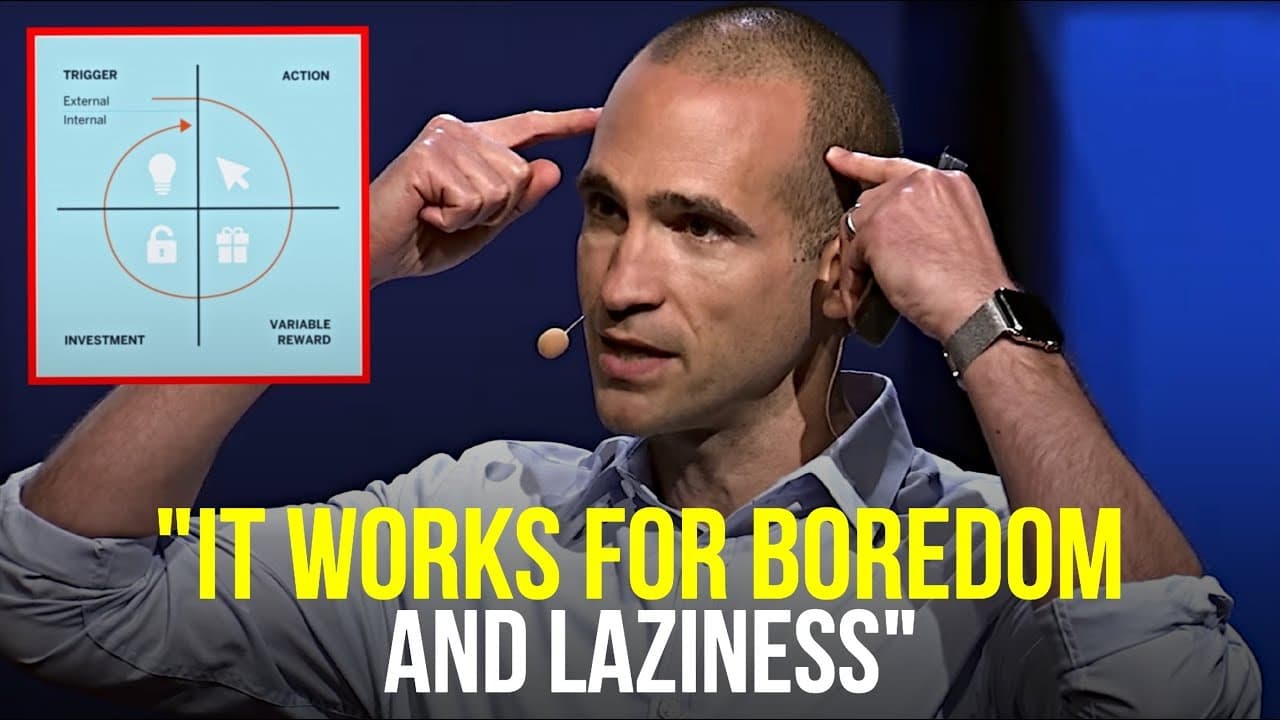
The ten-minute rule helps manage distractions by surfacing urges and avoiding discomfort.
Transcript
so instead of you telling yourself no what you can do is employ employ a technique like this ten minute rule ten minutes of doing what psychologists call surfing the urge why do we do things against our better judgment this is an age-old question when we know what to do why don't we just do it and particularly in today is age where we have the worl... Read More
Key Insights
- ❓ Distraction results from both internal emotional discomfort and external stimuli, complicating our ability to focus.
- 👻 The ten-minute rule allows individuals to consciously acknowledge their distractive urges without immediately giving in.
- 🤳 Self-compassion is vital in addressing distractions, steering clear of blame and shame which can exacerbate the issue.
- 🥺 Strict abstinence may lead to a counterproductive cycle of resistance and eventual indulgence, reinforcing negative behaviors.
- 🍻 Emotional discomfort drives much of our behavior, indicating that effective time management is closely linked to managing our responses to discomfort.
- 🍔 Recognizing that discomfort is temporary encourages individuals to withstand urges instead of succumbing to distractions.
- ❓ External triggers can enhance focus if used strategically, but they often contribute to distraction when mismanaged or over-relied upon.
Install to Summarize YouTube Videos and Get Transcripts
Explore YouTube Video Summarizer or Get YouTube Transcript Extractor
Questions & Answers
Q: What is the fundamental difference between traction and distraction?
Traction refers to actions that pull you towards your planned goals, while distraction pulls you away from those goals. They share a common Latin root meaning "to pull," highlighting that understanding and managing both states is critical for effective time management and achieving one's objectives.
Q: How does the ten-minute rule effectively address distractions?
The ten-minute rule allows individuals to acknowledge their distractions by setting a timer for ten minutes, during which they can explore their urges without acting on them. This practice encourages self-reflection and helps manage emotional discomfort, preventing impulsive actions that lead to distraction.
Q: Why do people often resort to distraction despite knowing better?
People resort to distraction to escape uncomfortable emotional states, driven by the instinct to avoid discomfort. As distractions often provide immediate relief, individuals may find themselves trapped in a cycle of seeking instant gratification rather than pursuing their long-term goals.
Q: What is the impact of strict abstinence on managing distractions?
Strict abstinence often backfires because it creates a tension similar to stretching a rubber band; once individuals give in to temptation after resisting it, they experience a rush of relief that reinforces the behavior. This cycle can lead to increased dependency on distractions rather than helping individuals focus.
Q: How does self-compassion play a role in handling distractions?
Self-compassion provides a healthier alternative to self-blame or self-shaming responses when distractions occur. By treating oneself with kindness and curiosity, individuals can explore their urges without judgment, reducing the emotional load that often leads to further distractions.
Q: What are the consequences of frequent distractions in daily life?
Frequent distractions can hinder productivity, diminish focus, and create a sense of anxiety or frustration over unfinished tasks. Over time, they may also lead to a negative self-image, as individuals begin to internalize feelings of inadequacy and unfulfillment in achieving their goals.
Q: How can external triggers contribute to distraction?
External triggers, such as smartphone notifications or environmental disruptions, serve as prompts that can divert attention and shift focus away from planned activities. While these triggers can support traction when used purposefully, they often lead to distraction when their timing or context is misaligned with one's goals.
Q: What is the significance of understanding the root causes of distractions?
Understanding that many distractions arise from internal triggers helps individuals identify the emotional states driving their behavior. By addressing these underlying causes, they can develop better strategies for managing urges instead of simply reacting to external cues, fostering increased self-control and productivity.
Summary & Key Takeaways
-
The content discusses the nature of distraction, explaining that it arises from both internal emotional triggers and external stimuli, affecting our ability to follow through on tasks.
-
It introduces the ten-minute rule as a technique to handle distractions, encouraging individuals to delay indulgence for a brief period while recognizing that uncomfortable emotions will eventually pass.
-
The piece emphasizes the importance of self-compassion when faced with distractions and outlines how understanding one's discomfort can help in maintaining focus and achieving goals.
Read in Other Languages (beta)
Share This Summary 📚
Summarize YouTube Videos and Get Video Transcripts with 1-Click
Try YouTube Summary with ChatGPT & Claude or YouTube Transcript Generator
Explore More Summaries from Video Advice 📚




Summarize YouTube Videos and Get Video Transcripts with 1-Click
Try YouTube Summary with ChatGPT & Claude or YouTube Transcript Generator