Why Do Our Eyes Move When We Think?
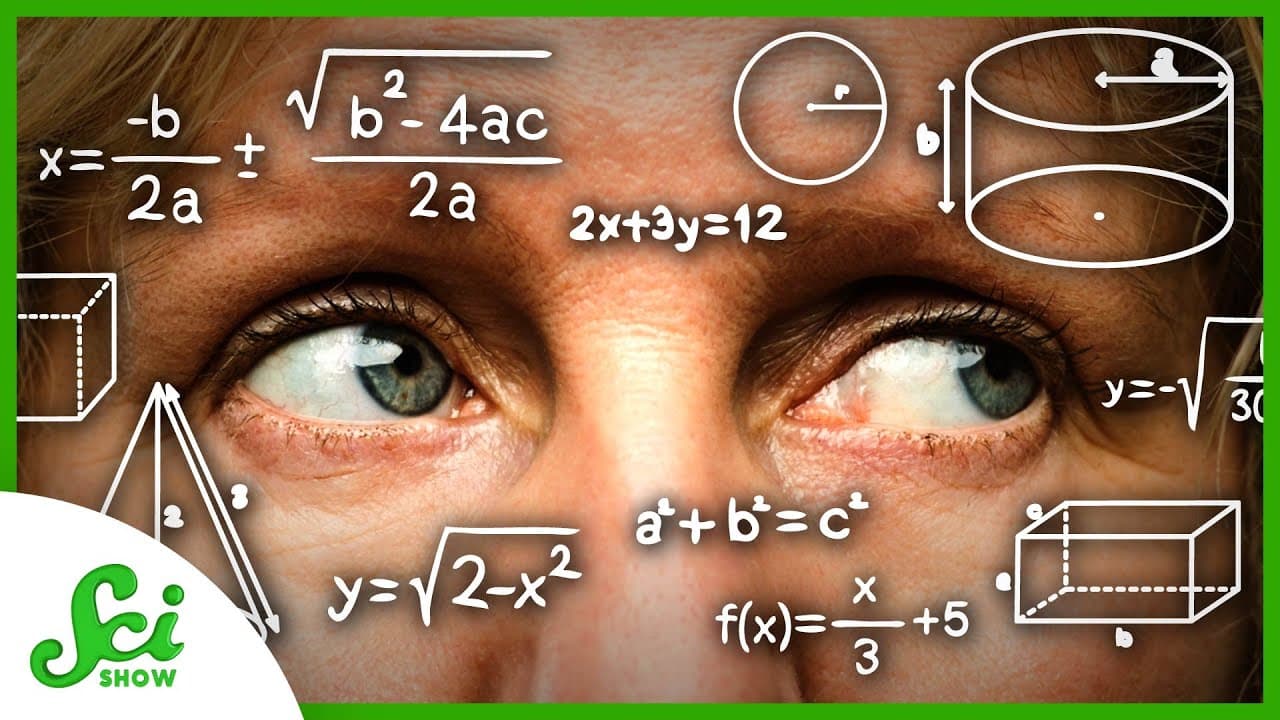
TL;DR
Eye movements are not a reliable indicator of lying; they actually correspond to different stages of thinking.
Transcript
Thanks to Brilliant for supporting this episode of SciShow. Go to Brilliant.org/SciShow to learn how you can take your STEM skills to the next level! [♪ INTRO] There’s always a scene in crime TV shows where a good guy detective brings a suspect to the station for interrogation. The detective isn’t getting anywhere until finally, he spots it. T... Read More
Key Insights
- 😃 Eye movements do not necessarily indicate lying and are linked to various stages of thinking.
- 💭 Saccades, rapid eye movements, continue while thinking, patterned according to specific thought processes like visualizing and recalling memories.
- 🤔 Eye movements during thinking may be evolutionary remnants, unrelated to non-visual thinking.
- 😃 Visual and verbal questions elicit different eye movement patterns, reflecting the nature of the thinking process.
- 😃 Eye movements during thinking are still under debate for their necessity and function, with mixed research findings on their role in memory recall.
- 😃 Mythical beliefs about eye movements as lie detectors have no scientific basis.
- 😃 In reality, eye movements correspond more to different thinking processes like visualizing and recalling memories rather than lying.
Install to Summarize YouTube Videos and Get Transcripts
Explore YouTube Video Summarizer or Get YouTube Transcript Extractor
Questions & Answers
Q: Do eye movements indicate lying?
No, eye movements occur during thinking processes, reflecting visualizing, recalling memories, and problem-solving stages, rather than lying.
Q: What are saccades, and how are they related to thinking?
Saccades are rapid eye movements during thinking, with patterns reflecting specific thought processes like visualizing, recalling memories, or problem-solving stages.
Q: Are eye movements necessary for non-visual thinking?
The necessity of eye movements in non-visual thinking is still debated, with some viewing them as vestigial remnants of evolutionary processes rather than essential for memory recall.
Q: Can eye movements be used as a lie detection tool?
There is no evidence to support using eye movements as a reliable lie detection tool, as they are more indicative of different thinking processes than deception.
Summary & Key Takeaways
-
Eye movements do not necessarily indicate lying, as they occur during thinking processes regardless of the question asked.
-
Saccades, rapid eye movements, continue while thinking, with patterns linked to specific thought processes like visualizing or recalling memories.
-
Eye movements may be vestigial evolutionary remnants, and their role in non-visual thinking is still debated.
Read in Other Languages (beta)
Share This Summary 📚
Summarize YouTube Videos and Get Video Transcripts with 1-Click
Try YouTube Summary with ChatGPT & Claude or YouTube Transcript Generator
Explore More Summaries from SciShow 📚


Summarize YouTube Videos and Get Video Transcripts with 1-Click
Try YouTube Summary with ChatGPT & Claude or YouTube Transcript Generator