Upcycling fashion by downsizing plastics | Ariel Furst | TEDxMIT Salon
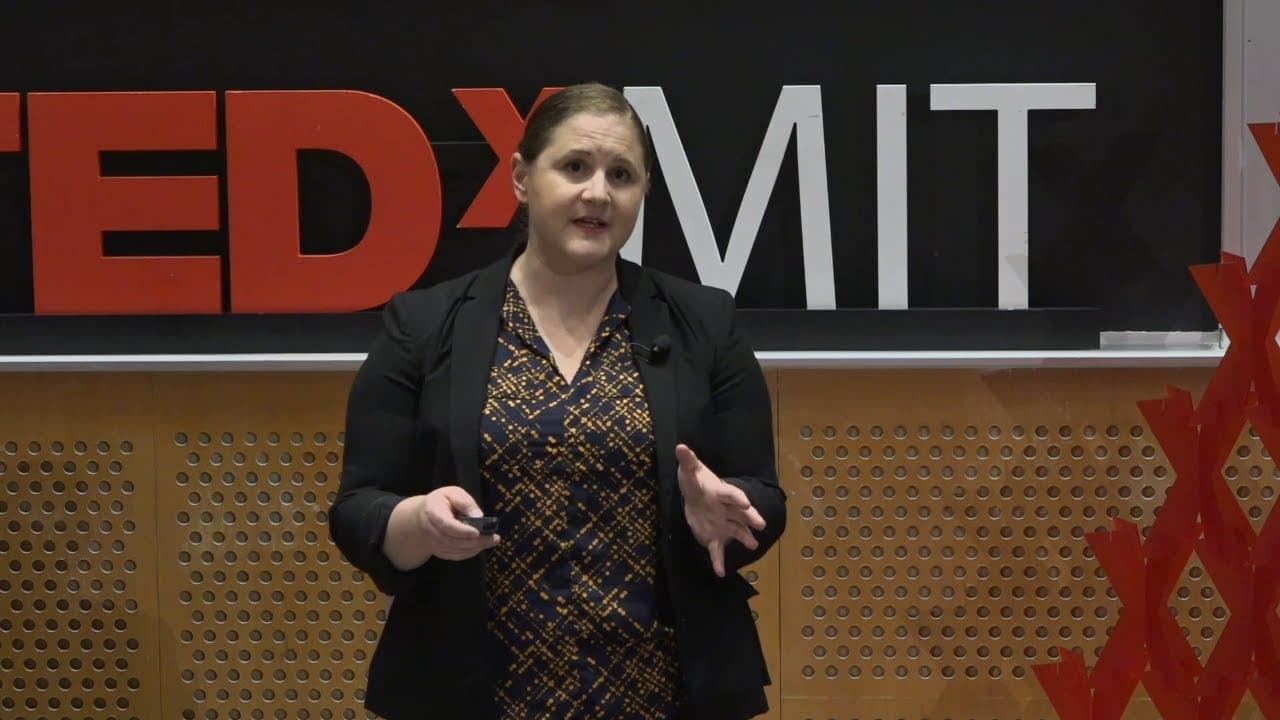
TL;DR
Transforming recycling through nature-inspired technology for a sustainable and equitable future.
Transcript
we've all made fashion choices that we regret although I still think the combination of tight socks and sandals will make a comeback but the great thing is we live in an era where we don't have to live with these choices for long there's an abundance of clothes options in fact Americans spend about $2,000 a year on clothes that's about 70 items and... Read More
Key Insights
- 🌐 Clothing waste contributes significantly to landfills, affecting global pollution levels.
- 👨🔬 Energy Equity research focuses on developing accessible, nature-inspired technologies for all populations.
- 🦠 Engineering microbes to display proteins enables efficient degradation of contaminants like polyesters.
- 🧡 Dr. Vad's technology can address a wide range of environmental contaminants, including pesticides and forever chemicals.
- 🗑️ By recycling waste to its starting chemicals, a sustainable and equitable solution to global waste management can be achieved.
- ♻️ Nature-inspired solutions offer efficient and cost-effective alternatives to conventional recycling methods.
- 😤 Microbes engineered by Dr. Vad's team can operate in extreme conditions, expanding the scope of environmental remediation.
Install to Summarize YouTube Videos and Get Transcripts
Explore YouTube Video Summarizer or Get YouTube Transcript Extractor
Questions & Answers
Q: Why do most clothing items end up in landfills?
The current lack of recycling technology means that about 85% of clothing cannot be recycled, leading to significant waste accumulation in landfills.
Q: How does Dr. Vad's research address environmental concerns related to clothing waste?
Dr. Vad's research focuses on using nature-inspired technologies to engineer microbes that can degrade contaminants like polyesters found in clothing, thus reducing environmental impact.
Q: How are proteins engineered to degrade environmental contaminants more effective than conventional methods?
By engineering microbes to display proteins on their surface, Dr. Vad's team creates stable and inexpensive enzymes that can efficiently degrade contaminants, offering a sustainable solution.
Q: What is the significance of Dr. Vad's research in terms of global environmental impact?
Dr. Vad's research provides a platform technology that can potentially revolutionize recycling on a global scale by degrading waste to its original chemicals, addressing environmental concerns equitably.
Summary & Key Takeaways
-
Americans spend $2,000 annually on clothes, leading to 85% ending up in landfills, polluting land and water.
-
Dr. Vad shared research on Energy Equity, seeking to develop accessible and inexpensive technologies inspired by natural systems.
-
By engineering microbes to degrade contaminants like polyesters, a platform technology is created for environmental remediation and recycling.
Read in Other Languages (beta)
Share This Summary 📚
Summarize YouTube Videos and Get Video Transcripts with 1-Click
Try YouTube Summary with ChatGPT & Claude or YouTube Transcript Generator
Explore More Summaries from TEDx Talks 📚



Summarize YouTube Videos and Get Video Transcripts with 1-Click
Try YouTube Summary with ChatGPT & Claude or YouTube Transcript Generator