Tricks With Chords on the Piano : Piano Lessons
TL;DR
Learn basic chord tricks like inversions, suspensions, and additions to enhance piano playing.
Transcript
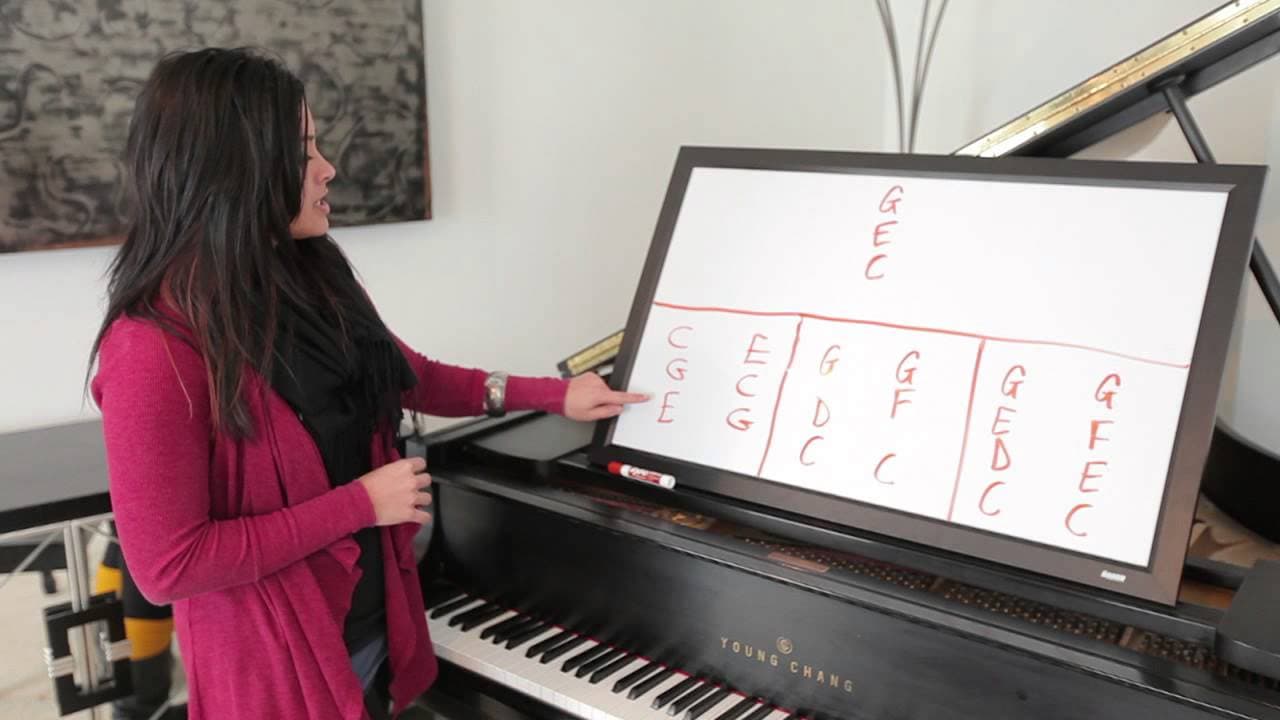
hi my name is Rachel cui I'm a pianist and piano teacher and I'm going to talk with you today about the basics of how to learn some tricks with playing chords on the piano there are an infinite number of tricks that professional musicians use every time that they perform but if you understand some very basic principles you'll be on track to beginni... Read More
Key Insights
- 👂 Inversions, suspensions, and additions are fundamental chord tricks that can be employed to alter the sound and color of chords on the piano.
- 🥺 Understanding these basic principles can lead to creative and imaginative ways of playing and creating music.
- 👻 Experimenting with these chord tricks allows for a deeper exploration of chord progressions and can enhance the overall sound of piano playing.
- 😑 By implementing these tricks, pianists can discover new ways to express their creativity and individuality through music.
- 🥌 Rachel Cui emphasizes the importance of learning these tricks as a stepping stone to discovering more complex performance techniques.
- 🤽 Chord tricks like inversions and suspensions provide pianists with a toolkit to add depth and complexity to their playing.
- 😌 These basic chord tricks lay the foundation for pianists to experiment, innovate, and develop their own unique style in playing chords on the piano.
Install to Summarize YouTube Videos and Get Transcripts
Explore YouTube Video Summarizer or Get YouTube Transcript Extractor
Questions & Answers
Q: What is the first trick mentioned by Rachel Cui for changing the sound of a chord on the piano?
The first trick is to invert the chord, which involves repositioning the pitches of the chord while still playing the same notes in different places on the keyboard.
Q: How are suspended chords represented, and how do they differ from regular chords?
Suspended chords are often represented as "sus" and involve suspending the middle note of the chord (the third) either to the second or fourth degree, creating a different sound.
Q: What does it mean to play an "add" chord, as mentioned by Rachel Cui?
Playing an "add" chord involves adding an extra pitch to the standard triad chord, in this case, adding a D to a C major chord, creating different textures and colors in the chord.
Q: How can implementing these chord tricks contribute to creativity in piano playing?
By using inversions, suspensions, and additions, pianists can explore new ways to approach chord progressions, creating unique and inventive musical outcomes.
Summary & Key Takeaways
-
Pianist Rachel Cui discusses fundamental techniques for altering chords on the piano, such as inversions, suspensions, and additions.
-
By understanding these tricks, one can add depth and creativity to their piano playing, creating new sounds and colors.
-
Experimenting with these basic principles can lead to unique and imaginative ways of playing and creating music.
Read in Other Languages (beta)
Share This Summary 📚
Summarize YouTube Videos and Get Video Transcripts with 1-Click
Try YouTube Summary with ChatGPT & Claude or YouTube Transcript Generator
Explore More Summaries from ehow 📚
Summarize YouTube Videos and Get Video Transcripts with 1-Click
Try YouTube Summary with ChatGPT & Claude or YouTube Transcript Generator