How Did Traditional Wisdom Help Rebuild Rwanda After Genocide?
TL;DR
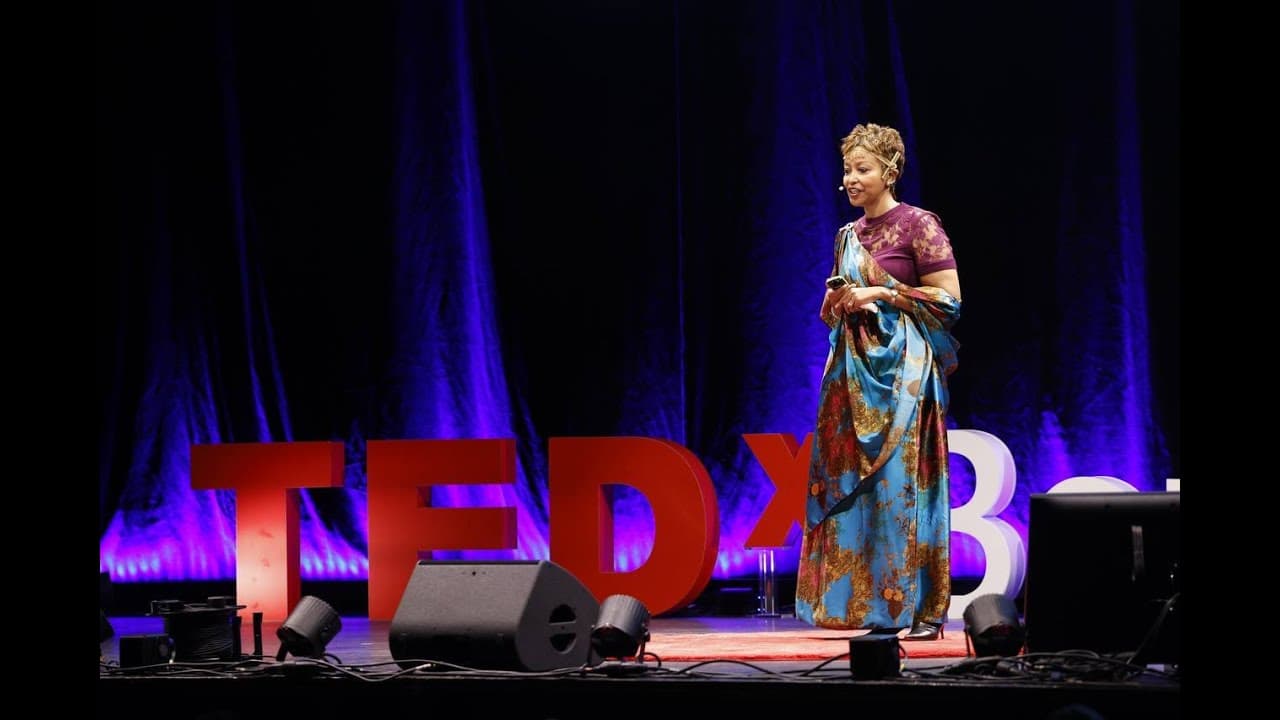
Traditional wisdom played a crucial role in Rwanda's recovery post-genocide, emphasizing restorative justice and community unity. Concepts like Gacaca courts, umuganda community work, and self-reliance were reinstated to heal divisions and foster a shared national identity. By reconnecting with their cultural values, Rwandans demonstrated that diverse knowledge systems can effectively address modern challenges.
Transcript
like many of us here I am a lot of things starting with my names my first name Jean is French my middle name adili is Swahili my last name thata is Rondon let me tell you how connecting to one of my many countries changed me changed how I see me changed how I see us in 2015 my family and I moved to Berlin where my husband had started a new assignme... Read More
Key Insights
- 🌍 The speaker's diverse background challenges the idea of a single national identity.
- 🖐️ Colonialism played a significant role in creating division and ethnic groups in Rwanda.
- 🆘 Rediscovering traditional systems of knowledge in Rwanda helped rebuild a common identity.
- 🌐 Lessons from multiple systems of knowledge can be applied to solve global crises.
- ❓ Connecting to different systems of knowledge does not reject other knowledge but creates a diverse viewpoint.
- 🥹 Traditional systems of knowledge hold value and can provide solutions to modern challenges.
- 🥺 Sharing and learning from each other's systems of knowledge can lead to a greater understanding of our shared humanity.
Install to Summarize YouTube Videos and Get Transcripts
Explore YouTube Video Summarizer or Get YouTube Transcript Extractor
Questions & Answers
Q: How did the speaker's diverse background challenge the idea of nationality?
The speaker's diverse background made it difficult for them to answer the question of their nationality, as they identify with multiple countries and cultures. This challenges the notion of a single national identity.
Q: How did colonialism contribute to the division of ethnic groups in Rwanda?
Colonial administrators introduced the htic hypothesis, which claimed that certain Africans were descendants of Ham from the Bible. This created racial hierarchies and divided the population into ethnic groups based on physical traits.
Q: How did the speaker's visit to Rwanda change their perspective?
The speaker expected to see the ugliness of the genocide but instead discovered stories of resilience and strength. They learned about the value of traditional systems of knowledge and how they were reintroduced to rebuild a common identity.
Q: How can lessons from multiple systems of knowledge help solve global crises?
By tapping into the wisdom of different systems of knowledge, such as traditional and Indigenous knowledge, we can gain diverse perspectives and mitigate crises like climate change, migration, and terrorism.
Summary & Key Takeaways
-
The speaker shares their experience of being asked about their nationality and how it is not a simple answer due to their diverse background.
-
They explain the impact of colonialism on Rwanda and the creation of ethnic divisions based on physical traits.
-
The speaker reflects on their visit to Rwanda and the rediscovery of traditional systems of knowledge, which became pillars of new nation building.
Read in Other Languages (beta)
Share This Summary 📚
Summarize YouTube Videos and Get Video Transcripts with 1-Click
Try YouTube Summary with ChatGPT & Claude or YouTube Transcript Generator
Explore More Summaries from TEDx Talks 📚
Summarize YouTube Videos and Get Video Transcripts with 1-Click
Try YouTube Summary with ChatGPT & Claude or YouTube Transcript Generator