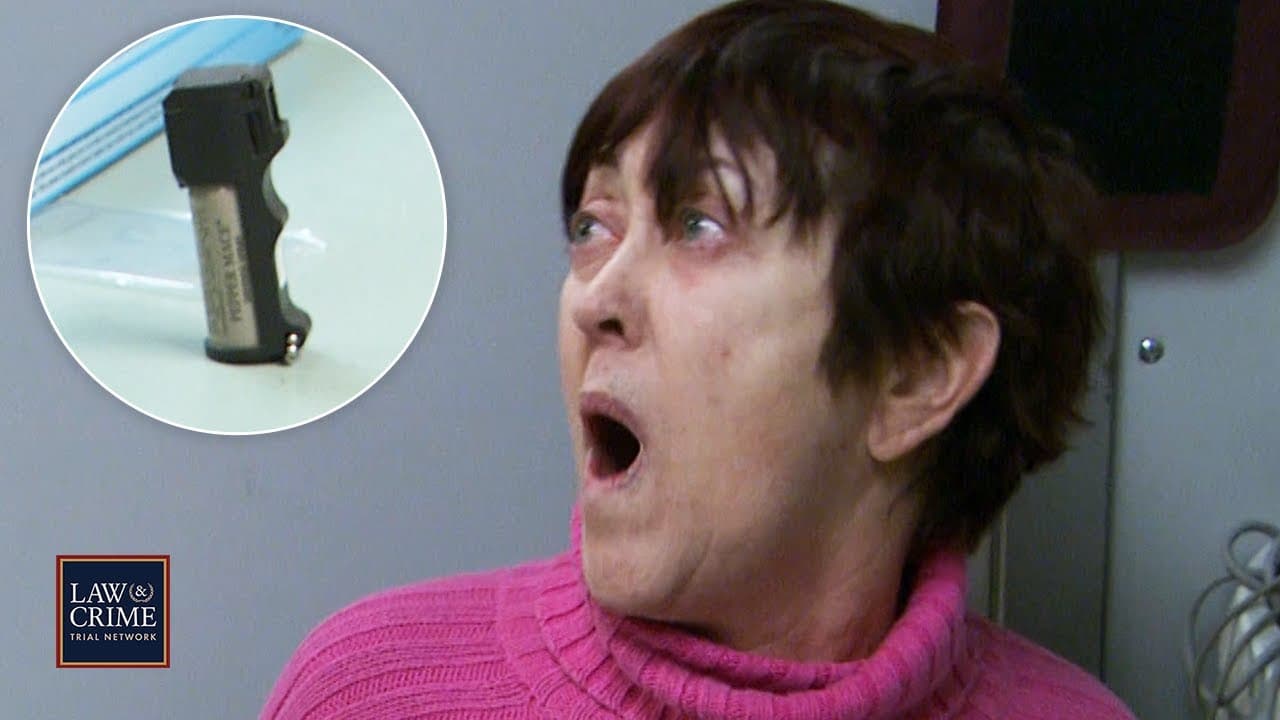
"Were You Gonna Mace Me?': Officer Finds Pepper Spray on Intoxicated Detainee (JAIL)
TL;DR
A glimpse inside jail from arrest to release, showcasing various interactions and procedures.
Transcript
after arrest and before trial comes jail all suspects are innocent until proven guilty in a court of law working here for almost seven years you try to believe what people want to tell you but when inmates are trying to tell me that they didn't do anything wrong and then I'll go check the records and it's completely different from what they're tell... Read More
Key Insights
- 👮 Corrections officers must navigate a spectrum of behaviors and attitudes from suspects, requiring adaptability and professionalism.
- 👮 Suspects may offer differing accounts of events, challenging officers to discern the truth through thorough investigation.
- 🧡 Arrests range from serious offenses like obstruction of justice to minor infractions like public urination, highlighting the diversity of cases handled in jails.
- 🛝 Communication skills play a crucial role in de-escalating tense situations and fostering cooperation during the processing of suspects.
- 👨⚖️ Officers' ability to maintain composure and enforce protocols ensures a smooth transition for suspects from arrest to release, promoting efficiency in the justice system.
- 👨⚖️ The dynamics between corrections officers and suspects reveal the complexities and challenges inherent in the criminal justice system.
- 🖤 Suspects' cooperation or lack thereof can significantly impact the processing time and experience within the jail setting.
Install to Summarize YouTube Videos and Get Transcripts
Explore YouTube Video Summarizer or Get YouTube Transcript Extractor
Questions & Answers
Q: How do corrections officers determine if a suspect is lying about their innocence?
Corrections officers cross-check suspects' stories with official records to verify their claims, ultimately enhancing their judgment of character.
Q: What are some common reasons for arrests in the scenarios depicted?
Arrests vary from obstruction of justice to public urination, often involving confrontations with law enforcement or disruptive behaviors.
Q: How do officers handle uncooperative suspects during the processing?
Officers use a combination of firmness and patience to manage uncooperative suspects, sometimes resorting to physical measures to maintain control and ensure safety.
Q: What types of interactions do corrections officers have with suspects during the incarceration process?
Corrections officers engage in a range of interactions, from confrontations with rude suspects to humorous exchanges with cooperative individuals, adding complexity to their daily work.
Summary & Key Takeaways
-
Corrections officer interacts with arrested suspects, gathering information and processing them.
-
Suspects share their stories, some denying guilt and others offering explanations for their behavior.
-
Officers handle a range of cases, from rude suspects to cooperative and humorous individuals.
Read in Other Languages (beta)
Share This Summary 📚
Summarize YouTube Videos and Get Video Transcripts with 1-Click
Try YouTube Summary with ChatGPT & Claude or YouTube Transcript Generator
Explore More Summaries from Law&Crime Network 📚





Summarize YouTube Videos and Get Video Transcripts with 1-Click
Try YouTube Summary with ChatGPT & Claude or YouTube Transcript Generator