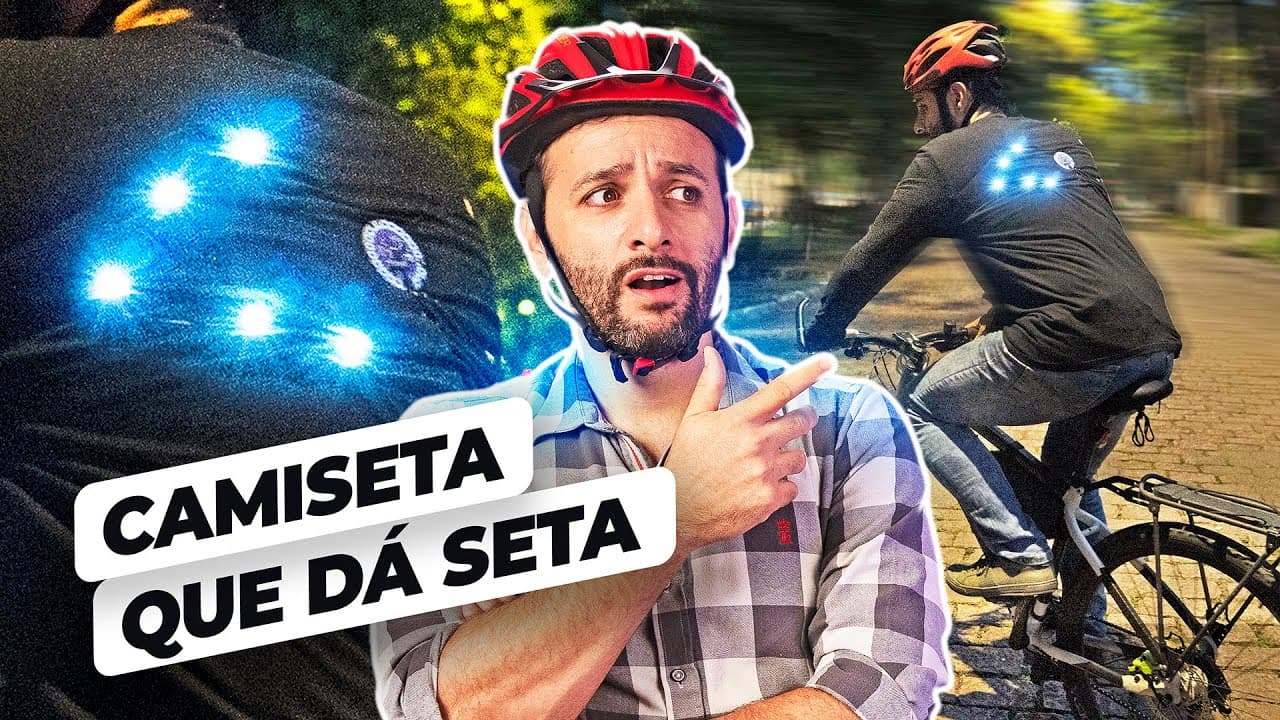
CAMISETA INTELIGENTE que DÁ SETA: Faça em casa!
TL;DR
Create a smart t-shirt with turn signals for cycling.
Transcript
Today I'll show you how to make a smart t-shirt that turns on the signal for you to ride a bike. This type of technology that we can wear, put on the body, is called wearables. So maybe. you think this is a super new thing, because today we have a smartwatch, virtual reality glasses, super headphones, LED mask, like Lady Gaga... But don't worry, th... Read More
Key Insights
- Wearable technology dates back to 1571 with Queen Elizabeth I's wristwatch, showcasing the long history of wearables.
- The project involves creating a smart t-shirt with turn signals using an Arduino Lilypad, LEDs, and conductive thread.
- Wearable technology has evolved from simple wristwatches to advanced devices like augmented reality glasses used by Petrobras.
- The Arduino Lilypad is specifically designed for wearables, being flatter, smaller, and energy-efficient compared to Arduino Uno.
- The smart t-shirt features LEDs on the back to indicate direction, activated by buttons sewn onto the sleeves.
- Challenges include ensuring proper electrical connections and finding suitable buttons for ease of use while cycling.
- Artificial Intelligence, like ChatGPT, can assist in generating code for Arduino projects, enhancing DIY capabilities.
- Practical issues such as button placement and wire contact with skin highlight areas for improvement in wearable design.
Install to Summarize YouTube Videos and Get Transcripts
Explore YouTube Video Summarizer or Get YouTube Transcript Extractor
Questions & Answers
Q: What is the historical significance of wearable technology?
Wearable technology has a rich history, dating back to 1571 when Queen Elizabeth I of England received what is considered the first wristwatch. This historical context highlights how wearables have evolved over centuries, from simple timekeeping devices to complex gadgets like smartwatches and augmented reality glasses, reflecting significant technological advancements.
Q: How does the smart t-shirt project utilize Arduino technology?
The smart t-shirt project uses the Arduino Lilypad, a microcontroller specifically designed for wearable applications. Its flat, compact design allows it to be sewn into clothing. The Arduino controls LEDs that serve as turn signals for cyclists, activated by buttons on the sleeves. This project showcases how Arduino technology can be integrated into everyday wearables, enhancing functionality.
Q: What role does Artificial Intelligence play in the project?
Artificial Intelligence, specifically ChatGPT, plays a crucial role in generating the code needed for the Arduino to control the LEDs on the smart t-shirt. By inputting the desired functionality into ChatGPT, the project creators received AI-generated code, demonstrating how AI can assist in developing and simplifying complex programming tasks for DIY technology projects.
Q: What challenges were encountered during the t-shirt creation?
Several challenges arose during the smart t-shirt creation, including ensuring proper electrical connections without soldering, selecting suitable buttons for ease of use, and addressing issues like accidental activation and wire contact with the skin. These challenges highlight the intricacies of integrating technology into clothing and the need for thoughtful design considerations.
Q: How does the smart t-shirt enhance cyclist safety?
The smart t-shirt enhances cyclist safety by incorporating LED turn signals on the back, visible to other road users. When activated by buttons on the sleeves, these signals indicate the cyclist's intended direction, improving visibility and communication with drivers. This wearable technology offers a practical solution for increasing safety during cycling, especially in urban environments.
Q: What improvements could be made to the smart t-shirt design?
Improvements to the smart t-shirt design could include repositioning the buttons to prevent accidental activation when gripping handlebars, using a larger shirt size to avoid wire contact with the skin, and incorporating protective layers to prevent sweat-induced electrical issues. These adjustments would enhance comfort and functionality, making the wearable more user-friendly.
Q: What is the significance of Petrobras' involvement in the video?
Petrobras' involvement underscores the company's commitment to technology and innovation. By sponsoring the video, Petrobras highlights its use of advanced wearables like augmented reality glasses in industrial operations, showcasing the practical applications of cutting-edge technology. This partnership emphasizes the relevance and potential impact of wearables across various sectors.
Q: How does the video encourage viewers to engage with technology?
The video encourages viewers to engage with technology by demonstrating the accessibility and creativity of DIY projects like the smart t-shirt. By providing step-by-step instructions and highlighting the role of AI in simplifying tasks, the video inspires viewers to experiment with integrating technology into everyday items, fostering a culture of innovation and hands-on learning.
Summary & Key Takeaways
-
The video explores the history and evolution of wearable technology, tracing it back to Queen Elizabeth I's wristwatch in 1571. It then demonstrates creating a smart t-shirt with turn signals, using an Arduino Lilypad, LEDs, buttons, and conductive thread, showcasing the DIY process and challenges faced.
-
The smart t-shirt project integrates technology into everyday clothing, offering cyclists enhanced visibility and safety. The design involves sewing components onto the fabric and programming the Arduino, with AI-generated code, to control LED signals, highlighting the intersection of innovation and practicality.
-
Wearable technology's potential is exemplified by Petrobras' use of augmented reality glasses, enhancing industrial operations. The video emphasizes the accessibility of creating personal wearables, encouraging viewers to experiment with technology, despite challenges like button functionality and electrical connectivity.
Read in Other Languages (beta)
Share This Summary 📚
Summarize YouTube Videos and Get Video Transcripts with 1-Click
Try YouTube Summary with ChatGPT & Claude or YouTube Transcript Generator
Explore More Summaries from Manual do Mundo 📚
Summarize YouTube Videos and Get Video Transcripts with 1-Click
Try YouTube Summary with ChatGPT & Claude or YouTube Transcript Generator