Intentions vs Actions: Dictator of Morality | Charvi Pitambare | TEDxYouth@OFS
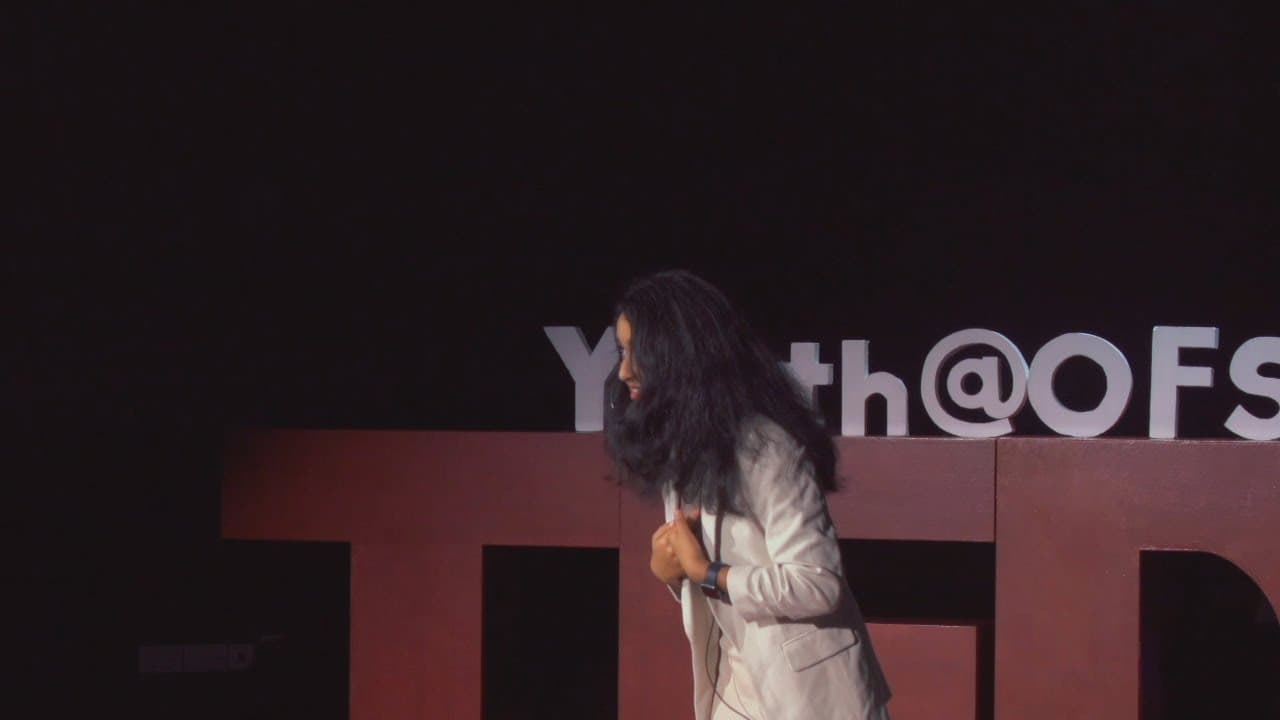
TL;DR
Nietzsche's ideology questions whether intentions or outcomes should dictate morality, ultimately suggesting they should be considered together.
Transcript
Transcriber: Imran Alturkistani Reviewer: aknv tso Friedrich Nietzsche, a philosopher from the 1800s, possessed an interesting perspective on the matter of morality: Outcomes are what dictated the morality of a person. Now, that may seem a little confusing but an example from a video I watched explains this unique ideology quite well. In a town, a ... Read More
Key Insights
- ❓ Nietzsche's ideology focuses on outcomes dictating morality.
- 🎁 The scenario presented showcases the conflict between intentions and actions.
- 😯 The speaker advocates for aligning thoughts, speech, and actions for true morality.
- 🎮 The speaker ultimately rejects outcomes as the sole dictator of morality.
- 💨 Consideration of intentions and actions together is proposed as the best way to determine morality.
- 🔇 The speaker suggests that dishonesty stemming from selfishness is immoral.
- 🫵 Morality is viewed as a complex interplay between intentions and actions.
Install to Summarize YouTube Videos and Get Transcripts
Explore YouTube Video Summarizer or Get YouTube Transcript Extractor
Questions & Answers
Q: How did Friedrich Nietzsche view morality?
Nietzsche believed that outcomes, rather than intentions, should dictate the morality of a person, emphasizing the effectiveness of actions.
Q: Why did the speaker reject Nietzsche's ideology?
The speaker argued that intentions and actions must align for true morality, rejecting outcomes as the sole dictator due to their unpredictable nature.
Q: What three aspects were considered integral for morality according to the speaker?
The speaker emphasized that thoughts, speech, and actions must align and be good to achieve true honesty and morality.
Q: What was the final conclusion regarding morality in the speaker's viewpoint?
The speaker concluded that outcomes alone cannot dictate morality, suggesting that intentions and actions together are the best way to determine morality.
Summary & Key Takeaways
-
Friedrich Nietzsche's viewpoint on morality was centered on outcomes dictating morality.
-
A scenario involving stopping a thief highlighted the conflict between intentions and results in actions.
-
The speaker argues that intentions and actions must align for true morality, rejecting outcomes as the sole dictator.
Read in Other Languages (beta)
Share This Summary 📚
Summarize YouTube Videos and Get Video Transcripts with 1-Click
Try YouTube Summary with ChatGPT & Claude or YouTube Transcript Generator
Explore More Summaries from TEDx Talks 📚
Summarize YouTube Videos and Get Video Transcripts with 1-Click
Try YouTube Summary with ChatGPT & Claude or YouTube Transcript Generator