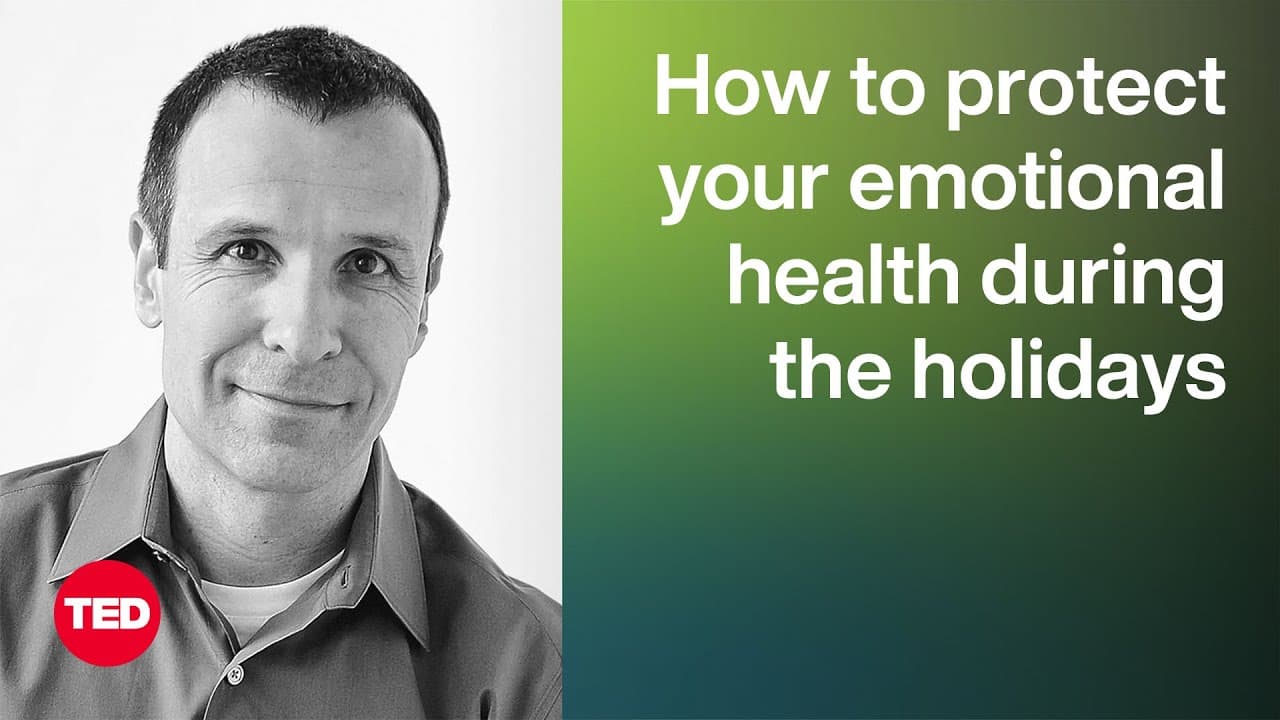
How to Protect Your Emotional Health During the Holidays
TL;DR
To protect your emotional health during the holidays, practice emotional first aid by recognizing and addressing emotional wounds like loneliness and stress. Set boundaries with family to manage expectations and avoid overwhelming situations, while actively engaging in self-care practices. Reflection on your emotions and maintaining supportive relationships can significantly improve your well-being during this challenging season.
Transcript
well it's officially December the 12th and final month of 20124 and you might be feeling a lot of different things right now the excitement of the holiday season the anxiety of trying to accomplish those last minute things maybe the relief of making it to the home stretch of what may have been a long and eventful year the fear perhaps of having to ... Read More
Key Insights
- 🦻 Emotional first aid involves recognizing and treating emotional wounds just like physical injuries.
- ❓ The holiday season can amplify feelings of loneliness, stress, and emotional challenges due to familial expectations and dynamics.
- 🧑⚕️ The pandemic has heightened awareness of emotional health, revealing the significant impact it has on overall well-being.
- 😫 People are encouraged to set boundaries to protect their emotional health, especially during stressful family gatherings.
- 🪡 It’s crucial to monitor changes in mood and behavior, as these may signal the need for emotional support or intervention.
- 😨 Cultivating a supportive social network and engaging in self-care practices can bolster emotional resilience.
- 🏍️ Embracing kindness towards others can create a cycle of positivity, improving both the giver's and receiver's emotional states.
Install to Summarize YouTube Videos and Get Transcripts
Explore YouTube Video Summarizer or Get YouTube Transcript Extractor
Questions & Answers
Q: What is emotional first aid, and why is it important?
Emotional first aid involves proactively addressing emotional wounds like rejection and heartbreak, treating them with care similar to physical injuries. It's important because neglecting these wounds can lead to increased distress, impacting our functioning and relationships. Acknowledging and treating emotional pain can minimize its long-term effects and foster resilience.
Q: How has the pandemic influenced our approach to emotional health?
The pandemic has increased awareness of emotional health, revealing its significance in our lives. However, it has also exacerbated issues like loneliness and stress, particularly among younger populations. The lessons from the pandemic underscore the need for emotional first aid as we navigate a world that continues to present various emotional challenges.
Q: What strategies can we employ to deal with loneliness during the holidays?
To counter loneliness during the holidays, individuals should consider engaging with supportive friends, practicing self-compassion, and establishing new traditions that resonate positively with them. Setting aside time for self-reflection can also help individuals understand their emotions and prioritize connection, thereby combating feelings of isolation.
Q: How can we effectively set boundaries with family during the holiday season?
It’s essential to communicate clearly when setting boundaries with family members. For example, if certain topics are off-limits, express this politely yet firmly. Acknowledge their curiosity while reiterating your boundaries, and be prepared to maintain them consistently, understanding that repeated reinforcement may be necessary.
Q: How can we recognize when we need emotional first aid?
Recognizing the need for emotional first aid involves being attentive to changes in mood, behavior, and cognitive processes. Signs include increased preoccupation with distressing thoughts, changes in sleep or appetite, and withdrawing from social interactions. Frequent self-reflection is essential for identifying these changes early.
Q: What are some effective self-care strategies individuals can implement?
Building proactive self-care strategies is key for emotional well-being. Individuals can practice mindfulness, engage in physical activity, maintain a support network, and set realistic goals. Additionally, fostering a positive internal dialogue and planning specific actions to achieve these self-care goals can enhance emotional health.
Q: How can kindness to others improve our own emotional health?
Acts of kindness not only benefit those receiving support but also enrich the giver’s emotional well-being. Engaging in compassionate acts enhances feelings of connection and purpose, which can counteract negative feelings such as loneliness or anxiety. Being kind fosters positive emotions and reinforces social bonds.
Q: Why is it important to reflect on the past year’s experiences during this season?
Reflecting on the past year allows individuals to acknowledge successes and setbacks, facilitating personal growth. Analyzing what worked and what didn’t can serve as a powerful learning tool. This process promotes resilience by helping individuals recognize patterns and strategize for future challenges.
Summary & Key Takeaways
-
Emotional wounds, such as loneliness and heartbreak, can significantly impact our lives, requiring proactive management similar to physical wounds.
-
The holiday season often intensifies emotional challenges due to expectations and familial dynamics, making emotional first aid increasingly important.
-
Engaging in self-reflection, setting boundaries, and identifying emotional triggers can be essential strategies for maintaining emotional health and preventing burnout.
Read in Other Languages (beta)
Share This Summary 📚
Summarize YouTube Videos and Get Video Transcripts with 1-Click
Try YouTube Summary with ChatGPT & Claude or YouTube Transcript Generator
Explore More Summaries from TED 📚






Summarize YouTube Videos and Get Video Transcripts with 1-Click
Try YouTube Summary with ChatGPT & Claude or YouTube Transcript Generator