What Is Obama's Legacy? Was There Hope and Change in A "Post-Racial" America| Jelani Cobb| Big Think
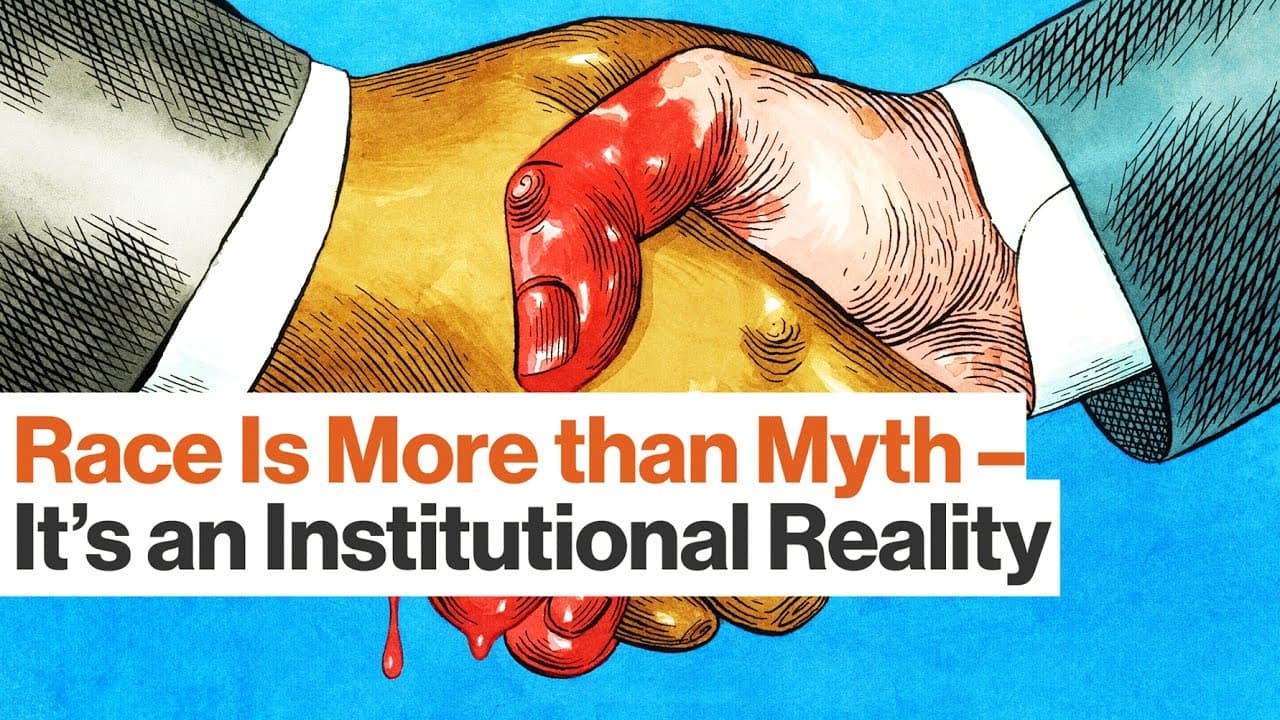
TL;DR
President Obama's presidency led to unforeseen changes and a resurgence in grassroots movements for disempowered communities.
Transcript
President Obama’s administration has brought about change. I don’t think that can be debated. There is everything from the symbolic to the substantive levels of what it would mean to have an African American president. And I think at the same time there have been changes that were unanticipated that came as a consequence of his presidency. And so w... Read More
Key Insights
- 💱 Obama's presidency brought about both symbolic and substantive changes, highlighting lingering racial realities.
- 🐎 Grassroots movements like Black Lives Matter emerged as a response to the perceived inadequacies of Obama's moderate approach to race.
- 🐎 Discussions on race must move beyond emotional narratives to confront systemic discrimination and concrete interests.
- 🤪 Addressing racial inequality involves dismantling institutional and structural biases, going beyond implicit bias narratives.
- ❓ Unintended consequences of Obama's presidency include heightened visibility of racial distinctions and the resurgence of grassroots movements for marginalized communities.
- 🤪 The conversation on race requires a deeper understanding of the complexities involved, going beyond superficial acknowledgments of shared humanity.
- 🇺🇸 Racial issues in the United States are deeply ingrained in historical, economic, and social structures, necessitating systemic change to address disparities.
Install to Summarize YouTube Videos and Get Transcripts
Explore YouTube Video Summarizer or Get YouTube Transcript Extractor
Questions & Answers
Q: What were some unforeseen changes as a consequence of Obama's presidency?
Unanticipated changes post-Obama's presidency led to heightened visibility of racial distinctions and a resurgence in grassroots movements advocating for disempowered communities.
Q: How did younger generations perceive Obama's moderation on racial issues?
Younger activists expressed frustration over Obama's centrist approach, perceiving it as inadequate to address systemic discrimination and racial disparities.
Q: Why is it essential to move beyond the emotional narrative when discussing race?
The conversation on race must transcend emotional responses to address the concrete interests and systemic factors contributing to racial inequality, such as institutional discrimination.
Q: What complexities are involved in dismantling racial myths and biases?
Dismantling racial myths and biases requires grappling with the institutional and structural roots of racial disparities beyond surface-level discussions of implicit bias.
Summary & Key Takeaways
-
Obama's presidency symbolized change from a national perspective, although the reality of racial distinctions remained prominent.
-
The emergence of movements like Black Lives Matter showcased a need for more substantial change despite Obama's moderation.
-
Race is a complex issue beyond emotional responses, requiring a deeper understanding of systemic discrimination and concrete interests.
Read in Other Languages (beta)
Share This Summary 📚
Summarize YouTube Videos and Get Video Transcripts with 1-Click
Try YouTube Summary with ChatGPT & Claude or YouTube Transcript Generator
Explore More Summaries from Big Think 📚


Summarize YouTube Videos and Get Video Transcripts with 1-Click
Try YouTube Summary with ChatGPT & Claude or YouTube Transcript Generator