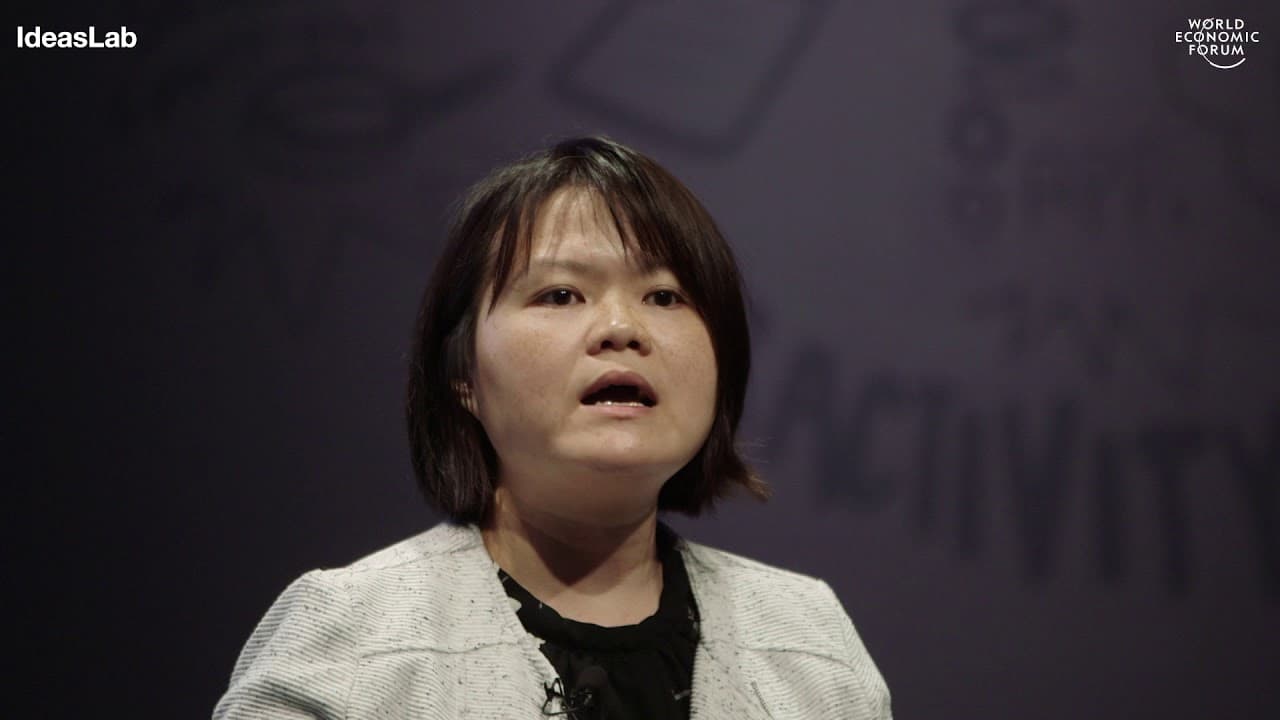
Revamped wastewater for agricultural irrigation | Hong Peiying
TL;DR
Food production threatens water resources; innovative anaerobic membrane bioreactor and UV technology offer sustainable solutions.
Transcript
when we think about threats to environments we tend to picture cars smokestacks not our dinner but the truth is our need for food poses one of the greatest dangers to our planet this quote from Jonathan Foley a fellow environmentalist has stuck with me over the years why is food a threat that's because in order to produce food to feed our global po... Read More
Key Insights
- 😋 Food production poses a significant threat to water resources due to high irrigation demands.
- 😒 The anaerobic membrane bioreactor uses microorganisms to convert organic carbon into methane for energy-efficient water treatment.
- 💦 UV disinfection technology efficiently inactivates bacteria in water without chemical additives.
- 🥺 Collaboration with material scientists can lead to the development of novel membranes to hinder bacteria buildup.
- ❓ Combining buildup and membrane technology can enhance bacterial contaminant removal efficiency.
- 👶 Stakeholders need to come together to embrace new technologies for sustainable wastewater treatment.
- 💦 Sustainable wastewater treatment practices can recover resources without compromising water quality.
Install to Summarize YouTube Videos and Get Transcripts
Explore YouTube Video Summarizer or Get YouTube Transcript Extractor
Questions & Answers
Q: Why does food production pose a threat to water resources?
Food production requires a significant amount of non-renewable water for irrigation, leading to water scarcity as more than 70% of our water supply is used for agriculture.
Q: How does the anaerobic membrane bioreactor work?
The anaerobic membrane bioreactor utilizes microorganisms in an oxygen-free environment to convert organic carbon into methane, which powers water treatment processes with minimal energy costs.
Q: What are the benefits of UV disinfection in water treatment?
UV disinfection efficiently inactivates bacteria in water without the need for chemical additives, ensuring clean and safe water for reuse with a high level of efficiency.
Q: What challenges are faced in wastewater treatment processes?
Traditional wastewater treatment processes face obstacles in adopting new technologies due to conservative beliefs and resistance to change despite the potential benefits of sustainable and safe innovations.
Summary & Key Takeaways
-
Food production poses a threat to water resources due to the high demand for non-renewable water for irrigation, leading to water scarcity.
-
The anaerobic membrane bioreactor uses microorganisms to convert organic carbon into methane, providing an energy source for water treatment with minimal energy costs.
-
UV disinfection technology efficiently inactivates bacteria in water without the need for chemical additives, ensuring clean water for reuse.
Read in Other Languages (beta)
Share This Summary 📚
Summarize YouTube Videos and Get Video Transcripts with 1-Click
Try YouTube Summary with ChatGPT & Claude or YouTube Transcript Generator
Explore More Summaries from World Economic Forum 📚
Summarize YouTube Videos and Get Video Transcripts with 1-Click
Try YouTube Summary with ChatGPT & Claude or YouTube Transcript Generator