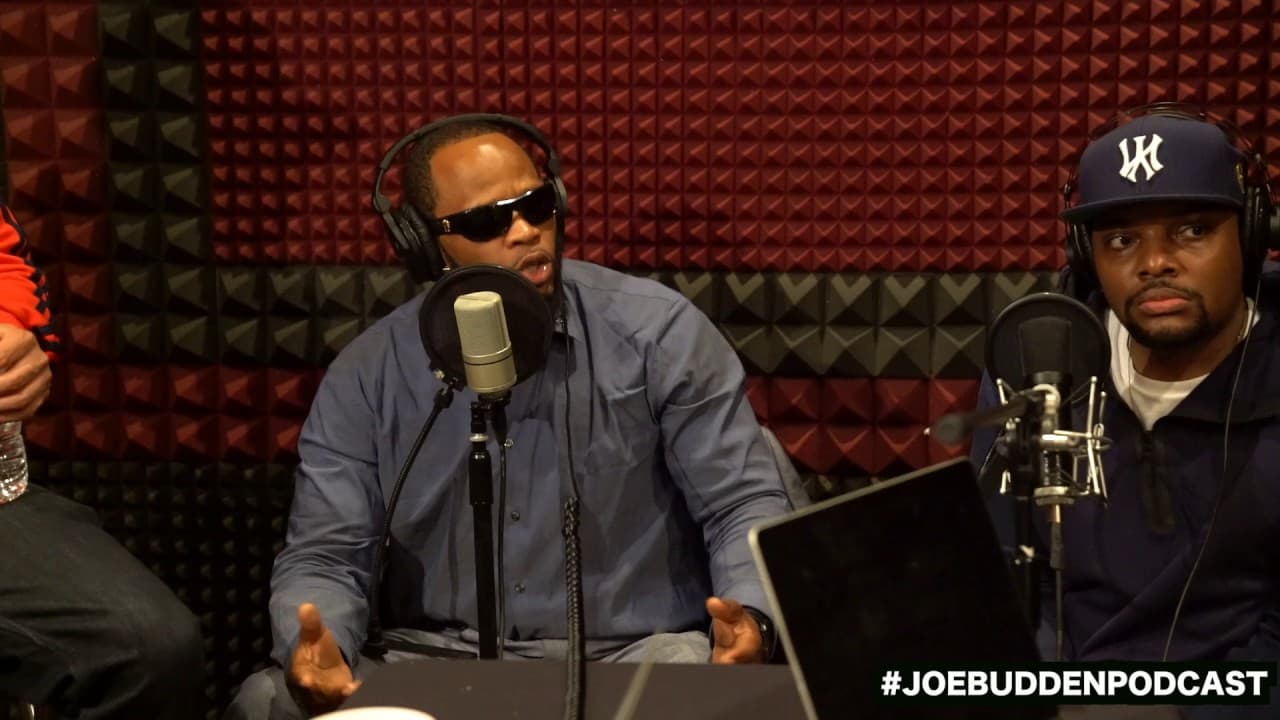
The Joe Budden Podcast x Trife Gangsta Interview
TL;DR
Discussion on media's role in hip-hop, relationships, and community healing.
Transcript
and we are live we are live Rory just asked me how I wanted to start this I told him to just come on and that was a very valid question try it because we don't do guests but copy we don't do interviews we actually turn down interviews and yes I feel like a lot of times that should be contrived a lot of times people want to come up here on their pre... Read More
Key Insights
- 🤞 Media can shape narratives that may harm individuals in the hip-hop community by distorting their realities.
- 🌸 Personal loss can ignite passion for community engagement and inspire efforts towards healing and prevention of violence.
- 🧑🎨 Artists have a responsibility to influence their audiences positively by promoting authenticity over sensationalism.
- 🏍️ Engaging youth through mentorship and educational programs can divert them from cycles of violence and foster community development.
- 🧑⚕️ The impact of gun violence and its implications on families extend beyond immediate loss, affecting long-term community health.
- 🤗 Open dialogue within communities can lead to healing, strengthened relationships, and collective action against negativity.
- 😑 Artists' platforms have the potential to initiate significant social change by addressing pressing social issues through their work.
Install to Summarize YouTube Videos and Get Transcripts
Explore YouTube Video Summarizer or Get YouTube Transcript Extractor
Questions & Answers
Q: What is the speaker's primary concern regarding modern media's influence on hip-hop?
The speaker is concerned that modern media often prioritizes sensationalism and personal agendas over genuine storytelling. They feel that media narratives can distort reality, portraying individuals in ways that do not align with their true selves or circumstances, therefore potentially damaging their reputations and relationships.
Q: How does the speaker relate to the topic of grief and loss in their community?
The speaker shares a personal connection to the theme of grief, having lost a brother to gun violence. They recount how their experience informs their understanding of the pain of others, fostering a desire to support individuals dealing with similar losses. This personal narrative propels their advocacy for healing and positive change in their community.
Q: What strategies does the speaker suggest for addressing violence in hip-hop culture?
The speaker advocates for positive community engagement and aims to provide resources for youth education that steer them away from violence and towards constructive activities. They emphasize the need for mentorship and community-building initiatives that help young people develop skills for successful lives outside of the cycle of violence.
Q: What impact does the speaker believe that artists can have on community perception and well-being?
The speaker believes artists have a significant responsibility to positively shape community perceptions through their music and public behavior. They stress the importance of authenticity over glorification of violence, advocating that artists use their platforms to promote awareness and healing instead of contributing to negative cycles.
Q: How does the speaker's perspective on lifestyle choices reflect their life experience?
The speaker reflects on their past experiences and acknowledges that they once lived a lifestyle that led to negative outcomes. They stress that they have chosen to move away from that life, focusing instead on community service and creating a positive impact, inspired by their personal growth and realization of responsibilities.
Q: What role does community engagement play in the speaker’s vision for change?
Community engagement is central to the speaker’s vision for change. They believe that fostering relationships and open dialogue within communities can bridge divides, lead to mutual support, and ultimately reduce violence by empowering individuals to take part in positive initiatives that uplift everyone involved.
Q: How does the speaker address the issue of media responsibility?
The speaker calls for greater accountability from the media, emphasizing that coverage should be fair and understanding rather than exploitative or sensational. They contend that media can either help or hinder the community's healing process, urging for a shift towards responsible reporting that reflects the complexities of individuals' lives.
Q: In what ways does the speaker encourage personal responsibility among artists?
The speaker emphasizes that artists should be aware of their influence and consider how their narratives and actions may affect their audience and community. They advocate for a shift towards more responsible storytelling in music, where artists consider the broader implications of their lyrics and public personas.
Summary & Key Takeaways
-
The speaker emphasizes a distrust of media, asserting that it creates narratives that can distort reality and harm individuals in the hip-hop community. They share their personal experiences with how media coverage often prioritizes sensationalism over empathy.
-
The conversation shifts to the importance of community connections and addressing violence through positive engagement rather than perpetuating cycles of negativity. Personal loss is highlighted as a catalyst for their commitment to community betterment.
-
Ultimately, the speaker advocates for a collective shift towards healing and constructive dialogue within hip-hop, urging artists to rethink their representation and impact to foster a positive atmosphere in the community.
Read in Other Languages (beta)
Share This Summary 📚
Summarize YouTube Videos and Get Video Transcripts with 1-Click
Try YouTube Summary with ChatGPT & Claude or YouTube Transcript Generator
Explore More Summaries from The Joe Budden Podcast | Full Episodes 📚
Summarize YouTube Videos and Get Video Transcripts with 1-Click
Try YouTube Summary with ChatGPT & Claude or YouTube Transcript Generator