Which Vitamins Can Help Prevent Heart Attacks?
TL;DR
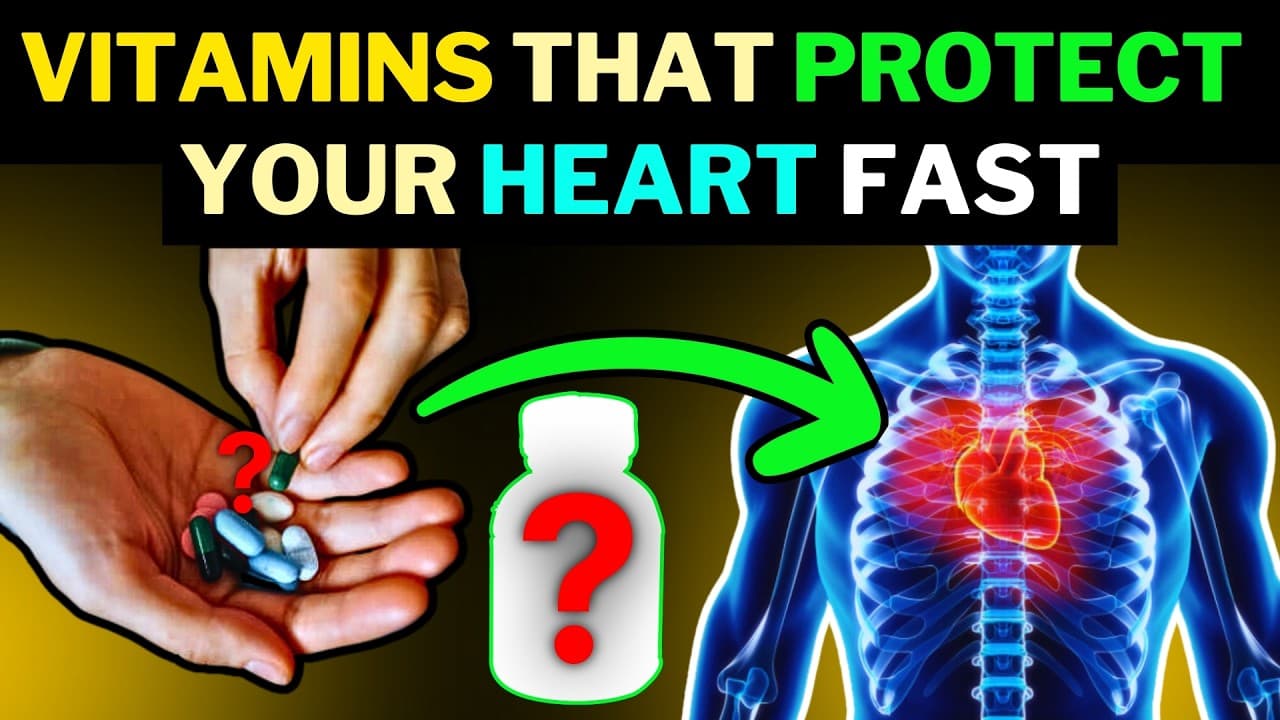
Seven essential vitamins—B6, B12, D, E, Omega-3s, CoQ10, and K2—play critical roles in heart health. They help manage homocysteine levels, support oxygen transport, regulate calcium, and reduce inflammation, which can significantly lower the risk of heart attacks.
Transcript
seven vitamins to prevent heart attack heart disease is the number one cause of death around the world it causes about 18 million deaths each year what's more serious about it is that heart attacks can happen suddenly often because of hidden problems like high blood pressure or high cholesterol these problems can be there without showing an... Read More
Key Insights
- Heart disease is the leading cause of death globally, with 18 million deaths annually. Many heart attacks occur due to underlying issues like high blood pressure and cholesterol, often without symptoms.
- Vitamin B6 plays a crucial role in regulating homocysteine levels, reducing the risk of heart disease by preventing damage to blood vessels.
- Vitamin B12 is essential for maintaining healthy nerve and red blood cells, reducing homocysteine levels, and ensuring proper oxygen transport to the heart.
- Vitamin D helps regulate calcium levels, reducing the risk of hypertension and heart disease by maintaining cardiovascular health.
- Vitamin E acts as an antioxidant, protecting the heart from oxidative stress and inflammation, which are major contributors to heart disease.
- Omega-3 fatty acids lower triglyceride levels, reduce blood pressure, and decrease the risk of heart attacks by up to 45%, making them essential for heart health.
- Coenzyme Q10 is vital for energy production in heart cells, enhancing mitochondrial function and supporting overall heart health.
- Vitamin K2 regulates calcium levels, preventing arterial calcification and reducing the risk of coronary heart disease.
Install to Summarize YouTube Videos and Get Transcripts
Explore YouTube Video Summarizer or Get YouTube Transcript Extractor
Questions & Answers
Q: What role does Vitamin B6 play in heart health?
Vitamin B6 is essential in regulating homocysteine levels in the blood, a substance that can damage blood vessels when elevated. By keeping homocysteine levels in check, Vitamin B6 reduces the risk of heart disease and atherosclerosis, which can lead to severe conditions like heart attacks and strokes.
Q: How does Vitamin B12 contribute to cardiovascular health?
Vitamin B12 is crucial for maintaining healthy nerve and red blood cells, which are essential for transporting oxygen throughout the body, including to the heart. It also helps reduce homocysteine levels, a known risk factor for heart disease, thereby supporting overall cardiovascular health and reducing the risk of heart-related issues.
Q: Why is Vitamin D important for heart health?
Vitamin D is vital for regulating calcium levels in the body, which is crucial for maintaining a healthy cardiovascular system. Adequate Vitamin D levels help prevent hypertension and reduce the risk of heart disease by ensuring proper calcium management and reducing inflammation, which can damage blood vessels.
Q: What are the benefits of Vitamin E for the heart?
Vitamin E acts as a powerful antioxidant, protecting the heart from oxidative stress and inflammation, which are significant contributors to heart disease. It neutralizes free radicals, reducing cell and tissue damage, and supports healthy blood vessel linings, improving circulation and reducing the risk of coronary heart disease.
Q: How do Omega-3 fatty acids improve heart health?
Omega-3 fatty acids are essential for heart health, as they lower triglyceride levels, reduce blood pressure, and decrease the risk of arrhythmia. Research shows that they can reduce the risk of heart attacks by up to 45%, making them a crucial component of a heart-healthy diet.
Q: What is the role of Coenzyme Q10 in maintaining heart health?
Coenzyme Q10 is a powerful antioxidant that plays a crucial role in energy production within heart cells. It enhances mitochondrial function, ensuring that heart cells have the energy needed to operate efficiently, which is vital for maintaining overall heart health and preventing heart disease.
Q: How does Vitamin K2 support cardiovascular health?
Vitamin K2 regulates calcium levels, directing calcium to bones and teeth while preventing its buildup in arteries. This regulation prevents arterial stiffness, a significant risk factor for heart disease, and supports healthy blood vessels, reducing the risk of coronary heart disease.
Q: What are the recommended sources and intake levels for these heart-healthy vitamins?
Vitamin B6 can be found in chicken, fish, and bananas, with a recommended intake of 1.3-2.0 mg daily. Vitamin B12 is in fish, meat, and dairy, with a 2.4 microgram recommendation. Vitamin D sources include sunlight and fatty fish, with a 600-800 IU recommendation. Vitamin E is in nuts and seeds, with a 15 mg recommendation. Omega-3s are in fatty fish, with a 250-500 mg recommendation. CoQ10 is in fatty fish and whole grains, with a 100-200 mg recommendation. Vitamin K2 is in fermented foods and cheese, with a 90-120 microgram recommendation.
Summary & Key Takeaways
-
Heart disease is the leading cause of death worldwide, with vitamins B6, B12, D, E, Omega-3s, CoQ10, and K2 playing crucial roles in heart health.
-
Vitamins help regulate homocysteine levels, improve oxygen transport, maintain calcium balance, and reduce inflammation, all essential for preventing heart disease.
-
Incorporating these vitamins through diet or supplements can significantly reduce the risk of heart attacks and improve overall cardiovascular health.
Read in Other Languages (beta)
Share This Summary 📚
Summarize YouTube Videos and Get Video Transcripts with 1-Click
Try YouTube Summary with ChatGPT & Claude or YouTube Transcript Generator
Explore More Summaries from Cureon 📚





Summarize YouTube Videos and Get Video Transcripts with 1-Click
Try YouTube Summary with ChatGPT & Claude or YouTube Transcript Generator