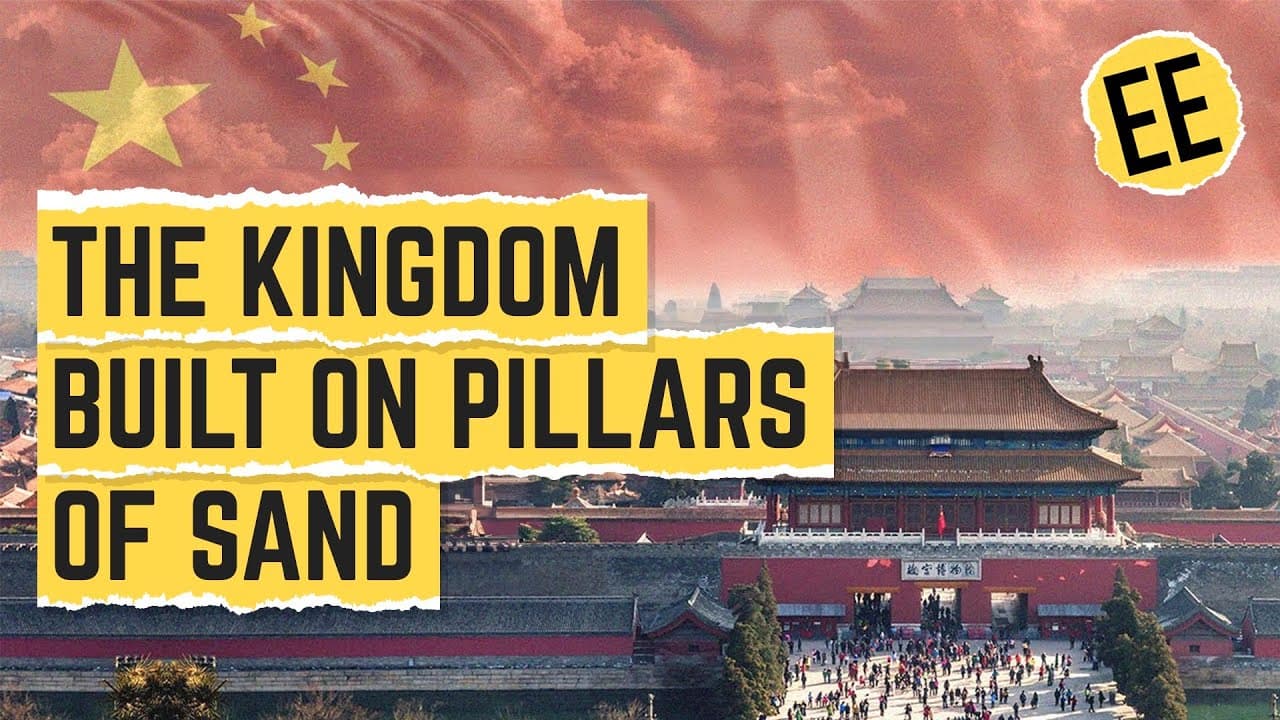
What Causes China's Real Estate Bubble?
TL;DR
China's real estate market is a bubble driven by speculative investment, societal pressures, and limited alternative investment options. The market's overvaluation is sustained by expectations of future growth, but it poses risks due to its reliance on debt and the huku system. The government's attempts to cool the market have been largely ineffective.
Transcript
this is china the most populous and second largest economy in the world this is a nation that has been home to the most intense period of economic growth and development in history as the country has opened up to foreign trade and embraced the free market it has transitioned from a famine plagued backwater into the superpower that we see today this... Read More
Key Insights
- China's real estate market is seen as a speculative asset, with prices driven by expectations of future growth.
- The huku system in China restricts access to public services, pressuring citizens to buy homes in urban areas.
- Real estate is the primary investment vehicle in China due to limited alternatives and historical underperformance of the stock market.
- Government efforts to curb real estate speculation, such as property taxes and ownership limits, have had limited success.
- China's economic growth has relied heavily on debt, with household debt rising significantly since 2008.
- The imbalance of men and women in China increases societal pressure to own homes, impacting marriage prospects.
- Provincial governments in China benefit from land sales, complicating efforts to reform the huku system.
- Economic challenges, such as unemployment and the 'lying flat' movement, threaten China's growth and stability.
Install to Summarize YouTube Videos and Get Transcripts
Explore YouTube Video Summarizer or Get YouTube Transcript Extractor
Questions & Answers
Q: How does the huku system affect China's real estate market?
The huku system in China ties access to public services like healthcare and education to an individual's registered residence, pressuring citizens to buy homes in urban areas to access these services. This system contributes to the demand for real estate, as owning a home in a city allows residents to access better services, further fueling the real estate bubble.
Q: Why is real estate considered a speculative asset in China?
In China, real estate is viewed as a speculative asset due to expectations of future growth, despite poor building standards. Investors believe property values will continue to rise, making real estate a preferred investment option. This speculative behavior is sustained by societal pressures, limited investment alternatives, and government policies that have not effectively curbed speculation.
Q: What impact does societal pressure have on China's real estate market?
Societal pressure in China, particularly the expectation to own a home for marriage prospects and social status, significantly impacts the real estate market. The imbalance of men and women, exacerbated by the one-child policy, increases the demand for homeownership, driving up property prices and contributing to the real estate bubble.
Q: What are the government's efforts to control China's real estate market?
The Chinese government has attempted to control the real estate market by introducing high deposit requirements for multiple properties, proposing a nationwide property tax, and capping the number of properties one can own. Despite these efforts, the market remains overheated due to speculative behavior and societal pressures, with these measures having limited effectiveness.
Q: How has debt contributed to China's economic growth?
Debt has played a significant role in China's economic growth, with household debt rising from 18% of GDP in 2008 to 61% in 2020. This debt-fueled growth has supported an extensive building spree, but much of it is tied to overvalued real estate, raising concerns about sustainability and economic stability as debt levels continue to rise.
Q: What is the 'lying flat' movement in China?
The 'lying flat' movement in China is a form of peaceful protest where young people refuse to engage in high-intensity work or work at all, opting instead to 'lie flat.' This movement reflects growing disillusionment with the economic system, where young workers feel their efforts primarily support an aging, over-leveraged society rather than improving their own quality of life.
Q: Why don't Chinese citizens invest more in the stock market?
Chinese citizens are hesitant to invest in the stock market due to its historical underperformance and volatility compared to the overall economic growth. Issues like fraud in peer-to-peer lending and the dominance of state-owned enterprises further dissuade investment, making real estate the preferred investment vehicle despite its risks and overvaluation.
Q: What challenges does China face with its real estate bubble?
China's real estate bubble presents several challenges, including economic instability from over-leveraged households, ineffective government measures to curb speculation, and societal pressures driving demand. The huku system and limited investment alternatives exacerbate the situation, while economic issues like unemployment and the 'lying flat' movement threaten growth and stability.
Summary & Key Takeaways
-
China's real estate market is overvalued due to speculative investments and societal pressures, driven by the huku system and limited investment alternatives. Government attempts to cool the market have been ineffective, and the economy's reliance on debt poses risks.
-
The huku system restricts access to public services based on residency, pressuring citizens to buy homes in urban areas. This, along with societal pressures and limited investment options, fuels China's real estate bubble.
-
China's economic growth has been heavily reliant on debt, with household debt rising significantly. The real estate market's overvaluation, driven by speculative investment and societal pressures, poses risks to economic stability.
Read in Other Languages (beta)
Share This Summary 📚
Summarize YouTube Videos and Get Video Transcripts with 1-Click
Try YouTube Summary with ChatGPT & Claude or YouTube Transcript Generator
Explore More Summaries from Economics Explained 📚




Summarize YouTube Videos and Get Video Transcripts with 1-Click
Try YouTube Summary with ChatGPT & Claude or YouTube Transcript Generator