Rationality in Action: Look at a Problem as an Outsider
TL;DR
Understanding cognitive biases helps improve decision-making and societal impact.
Transcript
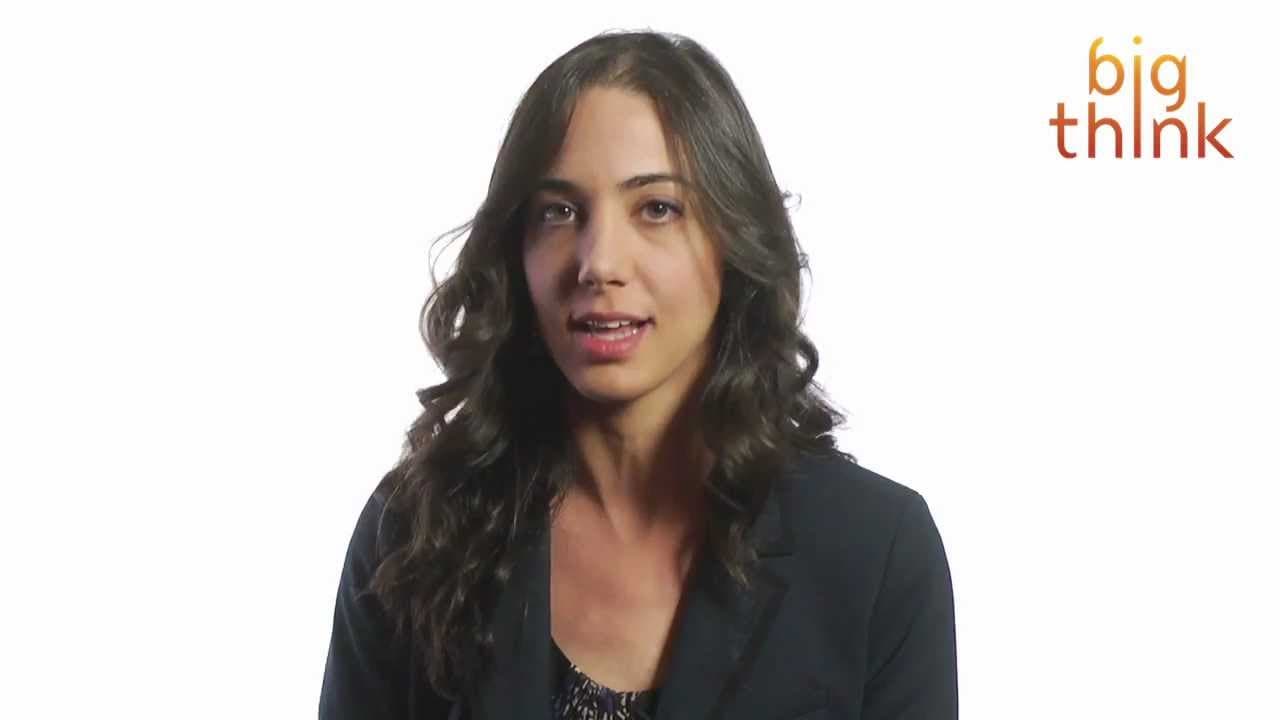
In a nutshell, we take the most useful research from cognitive science about how the human brain reasons and makes decisions and the errors that the human brain tends to make when reasoning or making decisions and we turn that research into workshops that people can use to apply it to their own lives and improve their own decision making about thei... Read More
Key Insights
- 🛟 Cognitive biases affect decision-making in various areas of life.
- 🥺 The commitment effect can lead to sticking with unproductive choices.
- 👀 Rational decision-making includes techniques like looking at problems from an outsider's perspective.
- 🤔 Society would benefit from widespread rational thinking and decision-making.
- ⚾ Evidence-based decision-making can counteract emotional manipulation by politicians.
- 🥺 Overcoming cognitive biases can lead to more effective resource allocation.
- ❓ The confirmation bias entrenches stereotypes by selectively seeking confirming evidence.
Install to Summarize YouTube Videos and Get Transcripts
Explore YouTube Video Summarizer or Get YouTube Transcript Extractor
Questions & Answers
Q: How does the Center for Applied Rationality apply cognitive science research?
The Center applies cognitive science to workshops, helping individuals improve decision-making in various aspects of life such as health, finances, relationships, and societal choices. This includes recognizing and overcoming cognitive biases.
Q: What was the key decision made by Intel founders Andy Grove and Gordon Moore?
Intel's founders decided to pivot their business focus out of the memory chip industry after realizing they had been losing money for years. This decision was prompted by the recognition of the commitment effect and the need to look at the problem as an outsider.
Q: How can rational decision-making impact society?
Rational decision-making in society can lead to demanding evidence from politicians, reducing prejudice and stereotypes, and utilizing resources effectively to address important risks. This can create a more informed and efficient societal structure.
Summary & Key Takeaways
-
The Center for Applied Rationality applies cognitive science research to workshops for better decision-making in health, finances, relationships, and societal choices.
-
Intel's success story shows overcoming the commitment effect by switching business focus, utilizing the technique of looking at problems as an outsider.
-
Rational decision-making can improve society by demanding evidence from politicians, reducing prejudice, and allocating resources effectively.
Read in Other Languages (beta)
Share This Summary 📚
Summarize YouTube Videos and Get Video Transcripts with 1-Click
Try YouTube Summary with ChatGPT & Claude or YouTube Transcript Generator
Explore More Summaries from Big Think 📚


Summarize YouTube Videos and Get Video Transcripts with 1-Click
Try YouTube Summary with ChatGPT & Claude or YouTube Transcript Generator