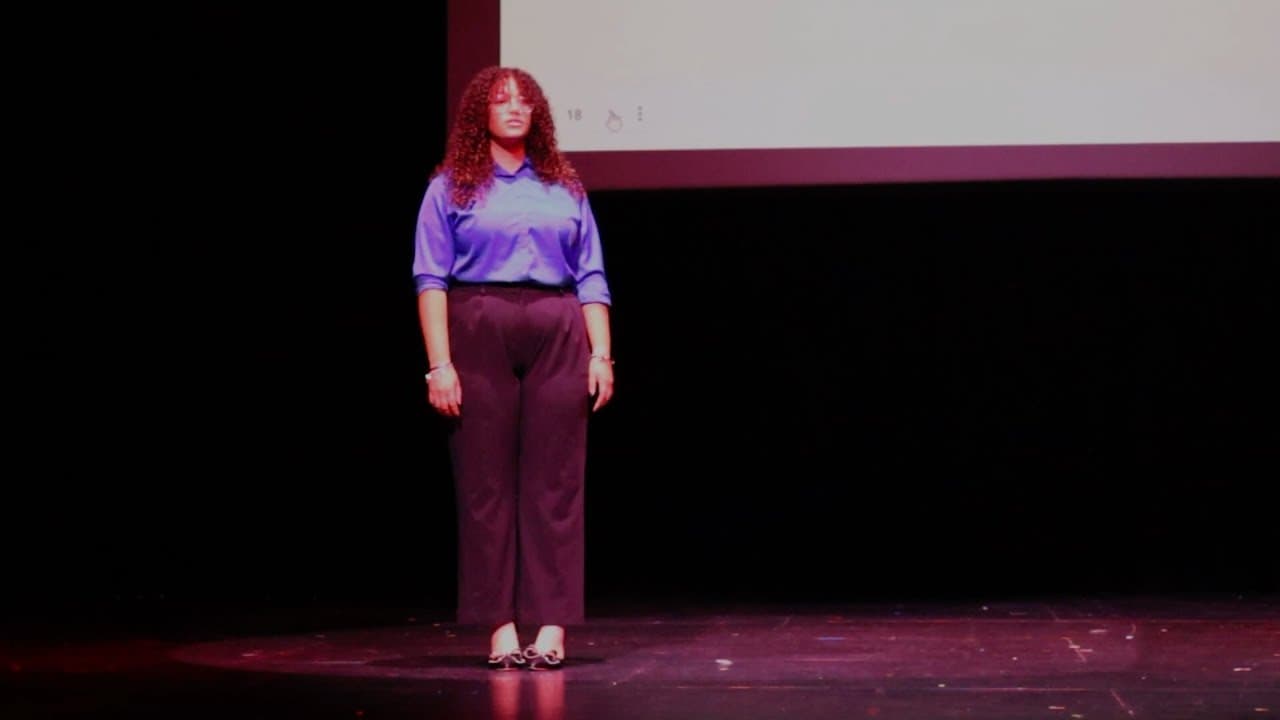
Don't Call Me Whitewashed | Tylor Aary | TEDxBooker T Washington School
TL;DR
Confronting stereotypes, navigating identity struggles, and embracing self-love amidst societal pressures and racial biases.
Transcript
I grew up in a small town where the black population was 2% in the community and less than 1% of them went to school with me I was an outcast so I'm sure you can imagine how I got treated through my life I remember when I was in second grade and I was the lion leader little did I know being the line leader would mean that I would be pet and complim... Read More
Key Insights
- 💠 Childhood experiences of racial discrimination shape individuals' perceptions and struggles with identity.
- 🤳 Societal pressures and stereotypes contribute to internalized racism and self-doubt among people of color.
- 🤳 Embracing individual identity and rejecting stereotypes is essential for promoting diversity and self-acceptance.
- 🥰 The speaker advocates for authenticity, self-love, and empowerment in navigating racial biases and embracing uniqueness.
- ❓ Challenging expectations and stereotypes is crucial for creating a more inclusive and understanding society.
- 😌 The root of whitewashing lies in societal biases and false assumptions about race and identity.
- 🤩 Embracing biracial identity and rejecting forced categorization is key to promoting acceptance and diversity.
Install to Summarize YouTube Videos and Get Transcripts
Explore YouTube Video Summarizer or Get YouTube Transcript Extractor
Questions & Answers
Q: How did the speaker experience racial discrimination during their childhood?
The speaker recalls being exoticized as a lion leader and facing derogatory jokes about absent fathers, highlighting the racial biases and discrimination they faced from a young age.
Q: What led the speaker to undergo an identity crisis in middle school?
In an attempt to fit in, the speaker bleached their hair and imitated peers to be accepted, reflecting on struggles with not feeling black enough or too white amidst societal pressures.
Q: What is internalized racism, and how does it contribute to stereotyping?
Internalized racism manifests as accepting negative stereotypes about one's racial group, leading to harmful self-perceptions and perpetuating stereotypes that encourage people of color to reject their ethnicities.
Q: How does the speaker advocate for embracing individual identity and rejecting stereotypes?
The speaker emphasizes the importance of self-love, embracing unique backgrounds, and challenging societal expectations to be unapologetically oneself amidst diversity.
Summary & Key Takeaways
-
The speaker recounts experiences of racial discrimination in childhood, from being exoticized as a lion leader to facing derogatory jokes about absent fathers.
-
Struggling with fitting in, the speaker bleached their hair and underwent an identity crisis in middle school to be accepted by their peers.
-
Addressing internalized racism and stereotyping, the speaker advocates for embracing individual identity and rejecting harmful stereotypes.
Read in Other Languages (beta)
Share This Summary 📚
Summarize YouTube Videos and Get Video Transcripts with 1-Click
Try YouTube Summary with ChatGPT & Claude or YouTube Transcript Generator
Explore More Summaries from TEDx Talks 📚

Summarize YouTube Videos and Get Video Transcripts with 1-Click
Try YouTube Summary with ChatGPT & Claude or YouTube Transcript Generator