How to Boost Rotational Power and Build Muscle Strength
TL;DR
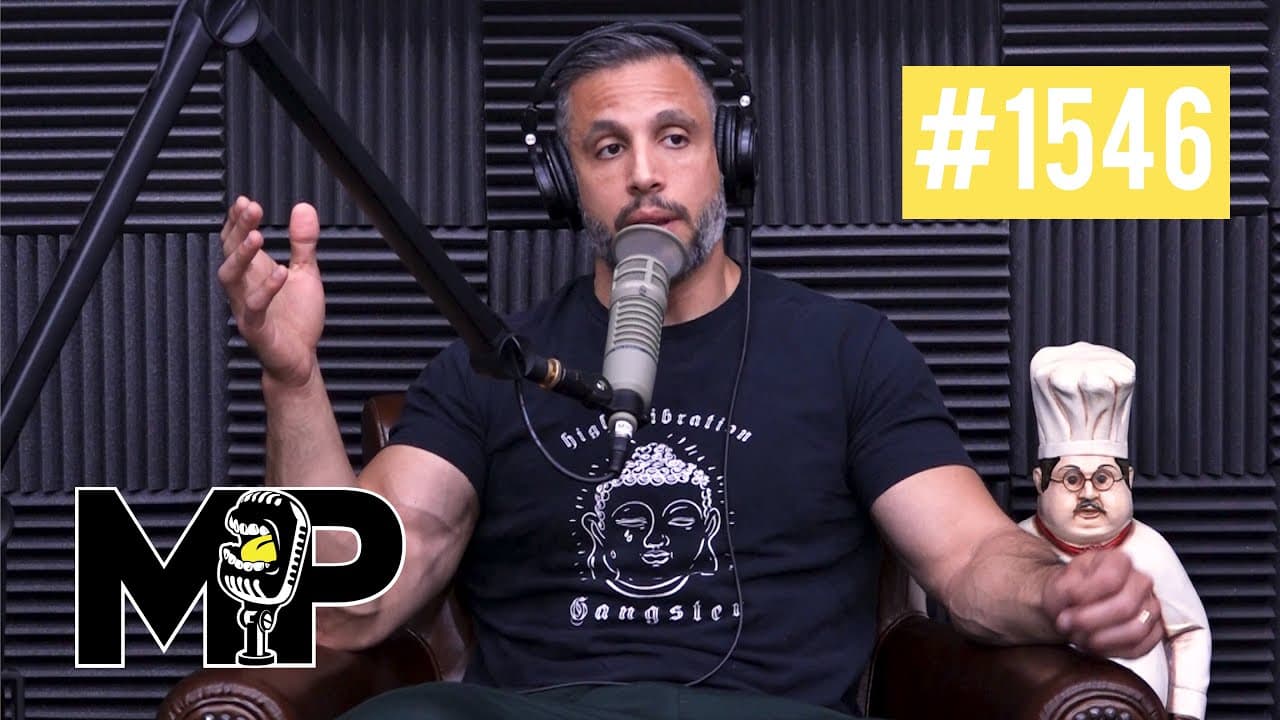
To enhance rotational power and muscle strength simultaneously, focus on exercises that combine speed and stability. Start with controlled strength training for foundational stability, then progress to dynamic power exercises like medicine ball throws or band rotations. Ensure proper technique to prevent injury, and gradually increase intensity as your stability improves.
Transcript
oh boy guys you screwed up let me tell you something right now we give away free stuff all the time on this podcast and we have a lot of unclaimed prizes okay here's how you check if you win because the way you win is you leave a comment in the first 24 hours and if we pick your comment we will put a comment underneath your comment we'll reply to y... Read More
Key Insights
- Rotational power combines strength and speed, requiring a stable foundation before adding explosive movements.
- Strength training is essential for building the foundation needed to safely perform power exercises.
- Exercises like medicine ball throws and band rotations are effective for developing rotational power.
- Proper technique and stability are crucial to prevent injuries when performing power exercises.
- Building muscle strength and endurance at the same time is possible but requires a balanced approach.
- Scapular retraction is important for maintaining proper posture and depth during squats.
- Client feedback on workouts can be improved by asking specific questions related to energy, sleep, and joint health.
- Understanding the broad benefits of exercise beyond weight loss helps clients recognize improvements in their health.
Install to Summarize YouTube Videos and Get Transcripts
Explore YouTube Video Summarizer or Get YouTube Transcript Extractor
Questions & Answers
Q: How can you build muscle strength and endurance simultaneously?
To build muscle strength and endurance simultaneously, incorporate both low-rep, high-intensity strength exercises and higher-rep, moderate-intensity endurance exercises into your routine. This balanced approach allows you to develop both attributes, although focusing on one at a time can lead to faster improvements in that specific area.
Q: What exercises increase rotational power?
Exercises like medicine ball throws, band rotations, and kettlebell swings are effective for increasing rotational power. Start with controlled strength exercises to build stability, then progress to dynamic movements that emphasize speed and power. Ensure proper technique and gradual progression to prevent injury.
Q: Can lack of scapular retraction affect squat depth?
Yes, a lack of scapular retraction can affect squat depth by compromising posture and stability. Proper scapular retraction helps maintain an upright torso and neutral spine, essential for achieving full squat depth and preventing forward lean or rounding of the back.
Q: How can trainers get clients to express workout effects?
Trainers can encourage clients to express workout effects by asking specific questions about changes in energy levels, sleep quality, joint health, and overall well-being. This helps clients recognize improvements beyond weight loss and fosters a deeper appreciation for the benefits of exercise.
Q: What is the role of anti-rotational exercises in rotational power?
Anti-rotational exercises play a crucial role in developing rotational power by building core stability and strength. These exercises help control and decelerate movement, providing a solid foundation for explosive rotational exercises that enhance power.
Q: Why is a strong foundation important for power exercises?
A strong foundation is important for power exercises to ensure stability and prevent injury. Building strength and control through foundational exercises prepares the body for dynamic movements, allowing for more effective and safe power development.
Q: How does overall body tension contribute to strength?
Overall body tension contributes to strength by enhancing neuromuscular activation and stability. When the entire body is engaged and tense, it creates a more stable base, allowing for more efficient force production and greater strength during exercises.
Q: What are the benefits of focusing on one fitness attribute at a time?
Focusing on one fitness attribute at a time, such as strength or endurance, allows for more rapid improvements in that specific area. It provides clearer feedback on progress, helps maintain motivation, and reduces the complexity of training, making it easier to track and achieve specific goals.
Summary & Key Takeaways
-
To improve rotational power, focus first on building a strong foundation with controlled strength exercises, such as cable chops or windmills. Once stability is achieved, progress to more dynamic exercises like medicine ball throws or band rotations to enhance power and speed. Proper technique and gradual progression are key to preventing injury and maximizing results.
-
Building muscle strength and endurance simultaneously requires a balanced approach, focusing on both low-rep strength exercises and higher-rep endurance work. While it's possible to develop both attributes, focusing on one at a time can yield faster results in that specific area.
-
Effective client communication involves asking specific questions about their workouts, such as changes in energy levels, sleep quality, and joint health. This helps clients recognize improvements beyond just weight loss, fostering a deeper appreciation for the benefits of exercise.
Read in Other Languages (beta)
Share This Summary 📚
Summarize YouTube Videos and Get Video Transcripts with 1-Click
Try YouTube Summary with ChatGPT & Claude or YouTube Transcript Generator
Explore More Summaries from Mind Pump Show 📚


Summarize YouTube Videos and Get Video Transcripts with 1-Click
Try YouTube Summary with ChatGPT & Claude or YouTube Transcript Generator