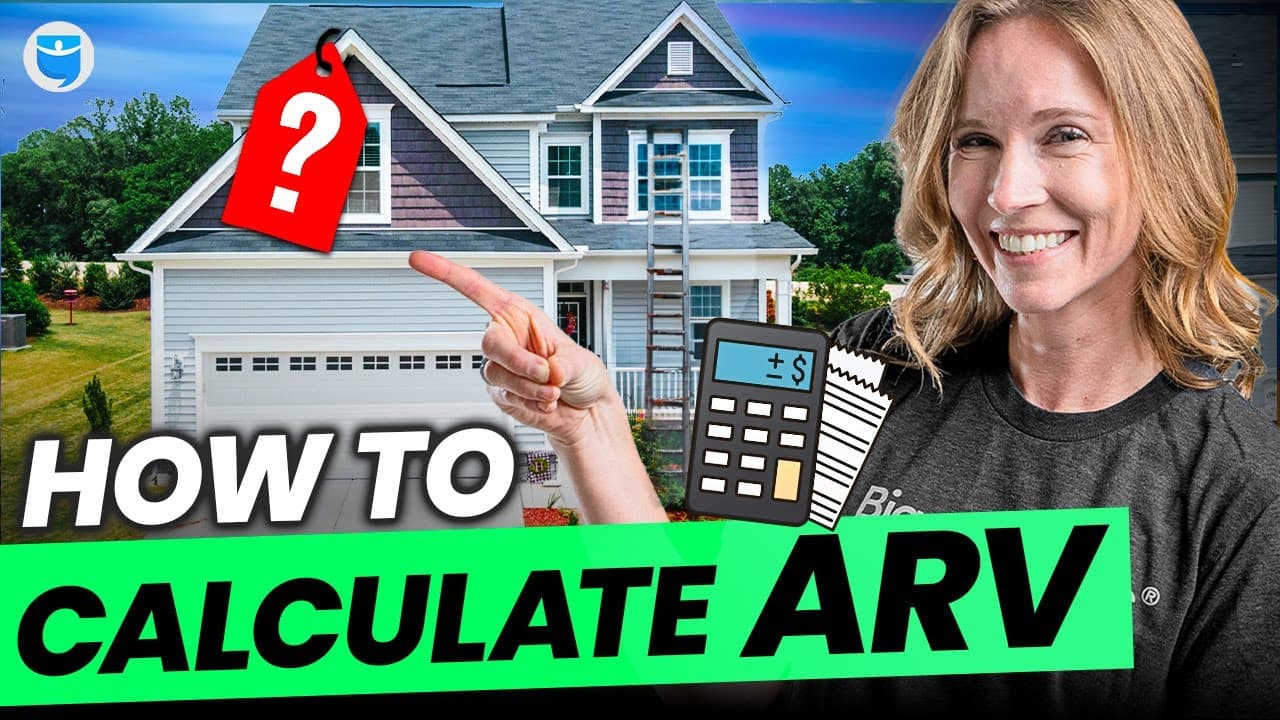
What is ARV in Real Estate (and Why It's CRUCIAL for Investors)
TL;DR
Learn how to calculate ARV and avoid common mistakes.
Transcript
this is real estate rookie episode 336 my name is Ashley care and I'm here with my co-host Tony J Robinson and welcome to the real estate rookie podcast where every week twice a week we bring you the inspiration motivation and stories you need to hear to Kickstart your investing journey and today we're doing a rookie reply which means we're answeri... Read More
Key Insights
- ARV, or after repair value, is a crucial metric for real estate investors to determine a property's value post-renovation.
- Common mistakes in ARV calculation include using outdated comps and not considering all relevant property features.
- Tools like PropStream and Zillow can assist in finding comparable properties to estimate ARV accurately.
- Understanding the difference between repairs and capital expenditures is essential for tax purposes.
- Creative financing options can sometimes make ARV less critical if the terms are favorable.
- Setting aside funds for repairs and capital expenditures is a prudent financial practice for property investors.
- Reviewing guest feedback and updating processes can improve property management for short-term rentals.
- Collaborating with knowledgeable real estate agents and appraisers can provide valuable insights into accurate ARV estimation.
Install to Summarize YouTube Videos and Get Transcripts
Explore YouTube Video Summarizer or Get YouTube Transcript Extractor
Questions & Answers
Q: What is ARV in real estate?
ARV, or after repair value, is the estimated value of a property after it has undergone renovations or upgrades. It is a critical metric for investors to assess potential profitability, as it helps determine whether the cost of improvements will be justified by the increase in property value.
Q: What are common mistakes when calculating ARV?
Common mistakes include using outdated or irrelevant comparables, failing to consider all property features, and not accounting for market fluctuations. Investors might also overlook necessary adjustments for differences in property conditions, leading to inaccurate ARV estimates.
Q: How can investors find accurate comparables for ARV estimation?
Investors can use tools like PropStream, Zillow, and other real estate platforms to find comparable properties. These tools allow users to filter properties based on location, size, and features to identify relevant comps. Consulting with real estate agents and appraisers can also provide valuable insights.
Q: What is the difference between repairs and capital expenditures?
Repairs are routine maintenance tasks that maintain a property's current condition, while capital expenditures involve significant improvements or replacements that enhance the property's value. For tax purposes, repairs are expensed immediately, whereas capital expenditures are depreciated over time.
Q: When might ARV be less critical for an investment?
ARV might be less critical if an investor secures favorable financing terms, such as seller financing with a low interest rate and long-term amortization. In such cases, the immediate property value may be less important than the cash flow and long-term value appreciation potential.
Q: How should investors manage funds for repairs and capital expenditures?
Investors should set aside a percentage of rental income for repairs and capital expenditures. This reserve ensures funds are available for unexpected expenses and major improvements, helping maintain the property's condition and value over time.
Q: Why is reviewing guest feedback important for property management?
Reviewing guest feedback helps identify areas for improvement in property management, enhancing guest satisfaction and potentially increasing occupancy rates. Regularly updating processes based on feedback ensures a better experience for future guests and maintains the property's reputation.
Q: How can collaboration with real estate professionals aid in ARV estimation?
Collaborating with real estate agents and appraisers provides access to expert knowledge and insights into local market conditions. These professionals can offer guidance on selecting appropriate comparables and adjusting valuations, leading to more accurate ARV estimates.
Summary & Key Takeaways
-
The podcast discusses the importance of ARV, or after repair value, in real estate investing, highlighting common mistakes and tools to aid in accurate calculation. It emphasizes the significance of understanding the difference between repairs and capital expenditures for tax purposes.
-
Ashley and Tony provide insights into various software and methods for finding comparable properties to estimate ARV. They also explore scenarios where ARV might not be as critical due to creative financing options.
-
The hosts stress the importance of setting aside funds for repairs and capital expenditures and the value of reviewing guest feedback to improve property management. They encourage collaboration with real estate professionals for better ARV estimation.
Read in Other Languages (beta)
Share This Summary 📚
Summarize YouTube Videos and Get Video Transcripts with 1-Click
Try YouTube Summary with ChatGPT & Claude or YouTube Transcript Generator
Explore More Summaries from Real Estate Rookie 📚






Summarize YouTube Videos and Get Video Transcripts with 1-Click
Try YouTube Summary with ChatGPT & Claude or YouTube Transcript Generator