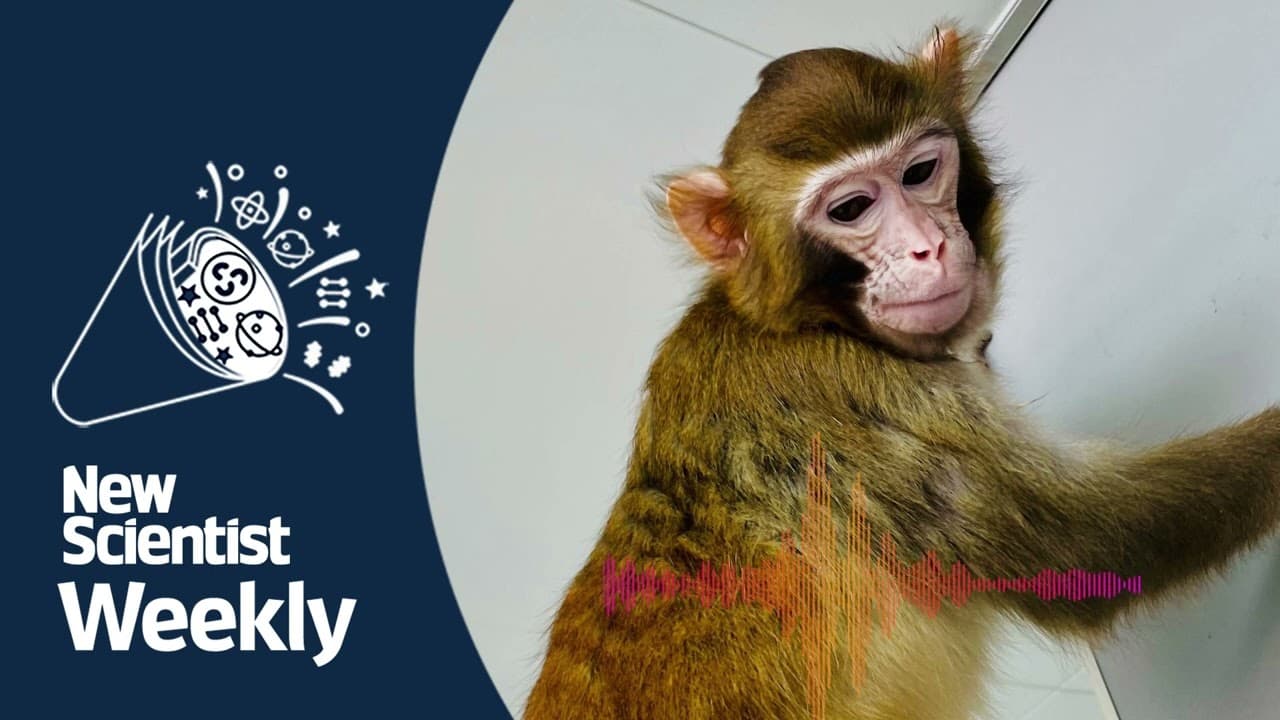
Cloned rhesus monkey lives to adulthood for first time | New Scientist Weekly podcast 233
TL;DR
- Chinese researchers successfully clone a healthy rhesus monkey using fetal cells, paving the way for potential medical research applications.
Transcript
hello and welcome back to New Scientist weekly your curated selection of the week's science stories I'm Christy Taylor in New York and I'm Timothy Revel also in New York this week on the Pod why traditional fermentation methods may have met their match in antibiotic resistant bacteria astronomers are extremely excited about a seemingly impossible o... Read More
Key Insights
- 🌀 Cloning a healthy rhesus monkey, Retro, from fetal cells marks a significant advancement in cloning technology.
- 🌀 The use of non-clone placenta in the cloning process addresses challenges related to abnormalities in placenta formation, enhancing the survival of cloned offspring.
- 😷 Cloned animals like Retro can be valuable for medical research, offering opportunities to study diseases, test treatments, and understand genetic interactions.
- 👨🔬 Ethical and regulatory considerations surround the cloning of animals for research purposes, especially in the context of primate studies.
- 👨🔬 The successful cloning of Retro provides insights into the potential for genetic research applications and highlights the ongoing debate on the ethics of cloning.
- 😒 Advances in cloning technology bring both opportunities and challenges, necessitating a balanced approach towards the ethical use of cloned animals in research.
- 😷 Understanding the cloning process and its implications can offer insights into genetics, disease research, and medical treatments.
Install to Summarize YouTube Videos and Get Transcripts
Explore YouTube Video Summarizer or Get YouTube Transcript Extractor
Questions & Answers
Q: How did Chinese researchers clone a healthy rhesus monkey, Retro, using fetal cells?
Chinese researchers were successful in cloning a healthy rhesus monkey named Retro by using fetal cells and replacing the cloned embryo's placenta with a non-clone placenta, addressing abnormalities that had previously hindered the survival of clones.
Q: What potential benefits can cloned animals like Retro offer in medical research?
Cloned animals like Retro can be valuable in medical research as genetically identical copies can help study the genetic basis of diseases, test potential treatments, and understand interactions between genetics and environmental factors.
Q: What are the ethical and regulatory considerations surrounding the cloning of animals for research purposes?
The cloning of animals for research purposes raises ethical concerns, especially regarding the use of primates like monkeys, and is tightly regulated in many countries. The prospects of human cloning remain illegal and unethical due to potential health risks.
Q: How does the use of non-clone placenta contribute to the success of cloning rhesus monkeys like Retro?
The use of non-clone placenta in the cloning process helps avoid abnormalities in placenta formation, ensuring the survival of cloned animals like Retro and overcoming previous challenges faced in cloning efforts.
Summary & Key Takeaways
-
Chinese researchers have successfully cloned a rhesus monkey named Retro from fetal cells, marking a significant advancement in cloning technology.
-
The use of non-clone placenta in the cloning process helped ensure the survival of the cloned offspring by addressing abnormalities in placenta formation.
-
This breakthrough opens doors for potential medical research applications using cloned animals but also raises ethical and regulatory concerns.
Read in Other Languages (beta)
Share This Summary 📚
Summarize YouTube Videos and Get Video Transcripts with 1-Click
Try YouTube Summary with ChatGPT & Claude or YouTube Transcript Generator
Explore More Summaries from New Scientist weekly podcast 📚


Summarize YouTube Videos and Get Video Transcripts with 1-Click
Try YouTube Summary with ChatGPT & Claude or YouTube Transcript Generator