SHOCKING - USA Was Behind JAILING Of ISRO Scientist? Dr. Nambi Narayanan Explains
TL;DR
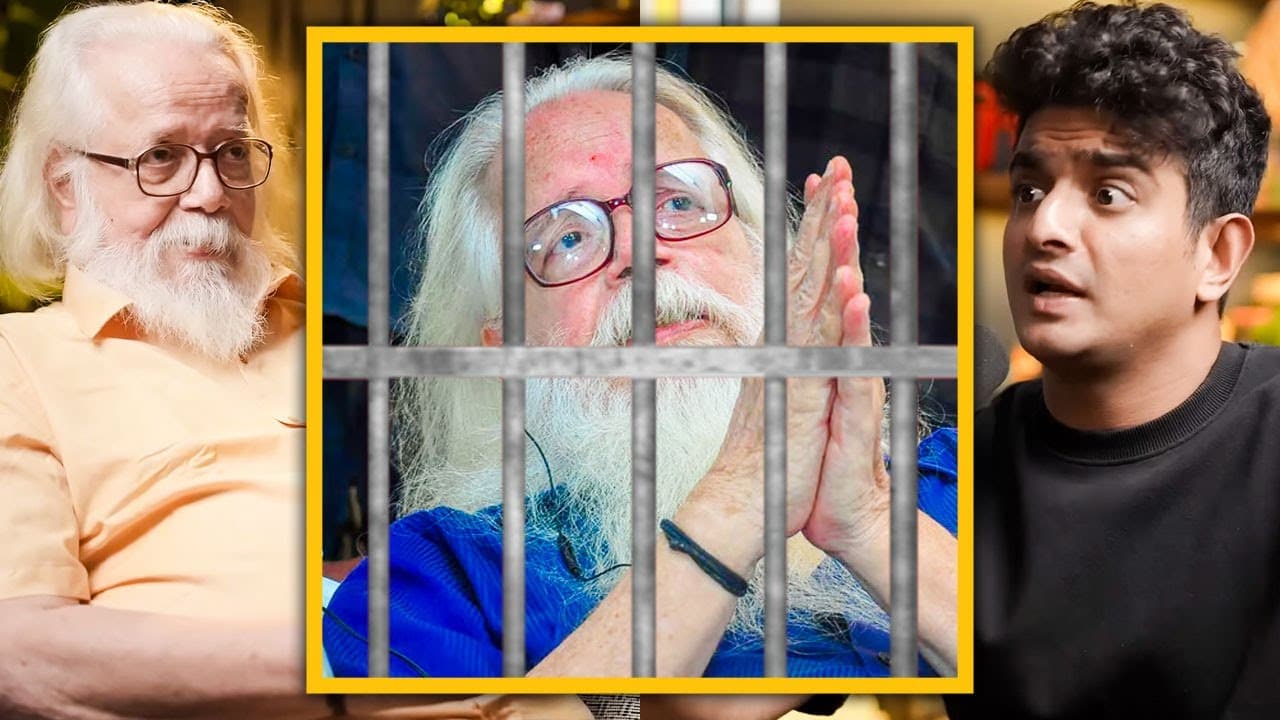
The speaker shares emotional insights on filmmaking, truth in storytelling, and personal experiences of torture during an interrogation.
Transcript
happiness through Curiosity on TS Clips how did you feel when you were seeing rocketry for the first time actually I I don't know actually what I did I was associated with the production of it in the script writing actually we were discussing this for one year myself and Madan so once you repeatedly discuss certain things and then what to include w... Read More
Key Insights
- ❓ Emotional engagement in storytelling is vital for connecting with audiences worldwide, transcending language differences.
- 🫵 Authentic representation of truth in film fosters trust and immediacy, resonating with viewers across various cultures.
- 😀 Personal resilience in the face of adversity can redefine one's identity and relationship with traumatic experiences.
- ❓ The impact of geopolitical dynamics can significantly influence personal and professional histories, often with unintended consequences.
- 😇 The negligence of intelligence agencies highlights systemic flaws that can lead to the persecution of innocent individuals.
- ❓ Creative processes in filmmaking require iterative discussions and collective feedback to achieve a satisfying final product.
- 🎑 The memories of emotional scenes can elicit powerful reactions and influence public perception of societal issues.
Install to Summarize YouTube Videos and Get Transcripts
Explore YouTube Video Summarizer or Get YouTube Transcript Extractor
Questions & Answers
Q: What was your initial reaction after completing the film on rocketry?
Initially, I felt that something was missing in the final product despite being involved in the scriptwriting process for a year. After screening it, both Madan and I realized that the editing needed improvement. Thankfully, we brought in a talented editor who was able to enhance the film significantly, making it more impactful.
Q: Can you explain why emotions were consistent among diverse audiences during screenings?
The film's emotional scenes triggered similar responses across audiences in different regions. This consistency highlights a universal human experience when confronted with sincere storytelling. When we portray the truth, it resonates deeply, regardless of language barriers, which was evident from the audience reactions in various cities.
Q: How did your personal experiences of torture influence your outlook?
Experiencing prolonged torture strengthened my resolve not to succumb to fear. I maintained my composure, communicating my limits as physically as I could. This resilience affected my attitude significantly, allowing me to view myself with pride during those difficult moments.
Q: What role does truth play in filmmaking according to your experience?
Truth in storytelling is essential. Audiences connect with genuine narratives, and exaggeration can lead to disbelief. By representing the truth authentically in our film, we were able to establish trust with viewers, ensuring they understood the real horrors depicted in our story.
Q: Are you still looking for those who tortured you during your interrogations?
Yes, I have actively tried to locate those individuals over the years. Despite my efforts, I've only managed to identify one character, but most remain elusive, perhaps out of fear or a desire to avoid repercussions for their actions.
Q: Do you believe geopolitics played a role in your interrogation?
Absolutely. I suspect that external geopolitical pressures influenced decisions made during my interrogation. The American government exerted pressure on Russia regarding technology transfers, which indirectly affected my situation. This larger context suggests I may have been caught in a political struggle.
Q: What insights can you share about the intelligence community’s actions in your case?
The intelligence community failed to validate their information, leading to decisions based on falsehoods. It indicates a systemic issue where fabricated cases can emerge due to inadequate checks and balances within the investigative processes, ultimately impacting innocent lives.
Q: How do you interpret the relationship between filmmaking and scientific progress?
Filmmaking can serve as a powerful medium to communicate scientific advancements and challenges. Through stories like mine, audiences gain insight into the struggles faced by scientists and the broader implications of their work in the context of geopolitical narratives.
Summary & Key Takeaways
-
The speaker discusses the emotional journey of creating a film about rocketry, expressing initial dissatisfaction with the final product despite efforts in scriptwriting and editing.
-
Key scenes evoked strong feelings, highlighting the importance of truthfulness in storytelling and how it resonates universally with audiences across different languages.
-
Personal experiences of torture during interrogations reveal the harsh realities faced, emphasizing the impact of fabricated intelligence and the speaker’s resilience against their circumstances.
Read in Other Languages (beta)
Share This Summary 📚
Summarize YouTube Videos and Get Video Transcripts with 1-Click
Try YouTube Summary with ChatGPT & Claude or YouTube Transcript Generator
Explore More Summaries from TRS Clips 📚



Summarize YouTube Videos and Get Video Transcripts with 1-Click
Try YouTube Summary with ChatGPT & Claude or YouTube Transcript Generator