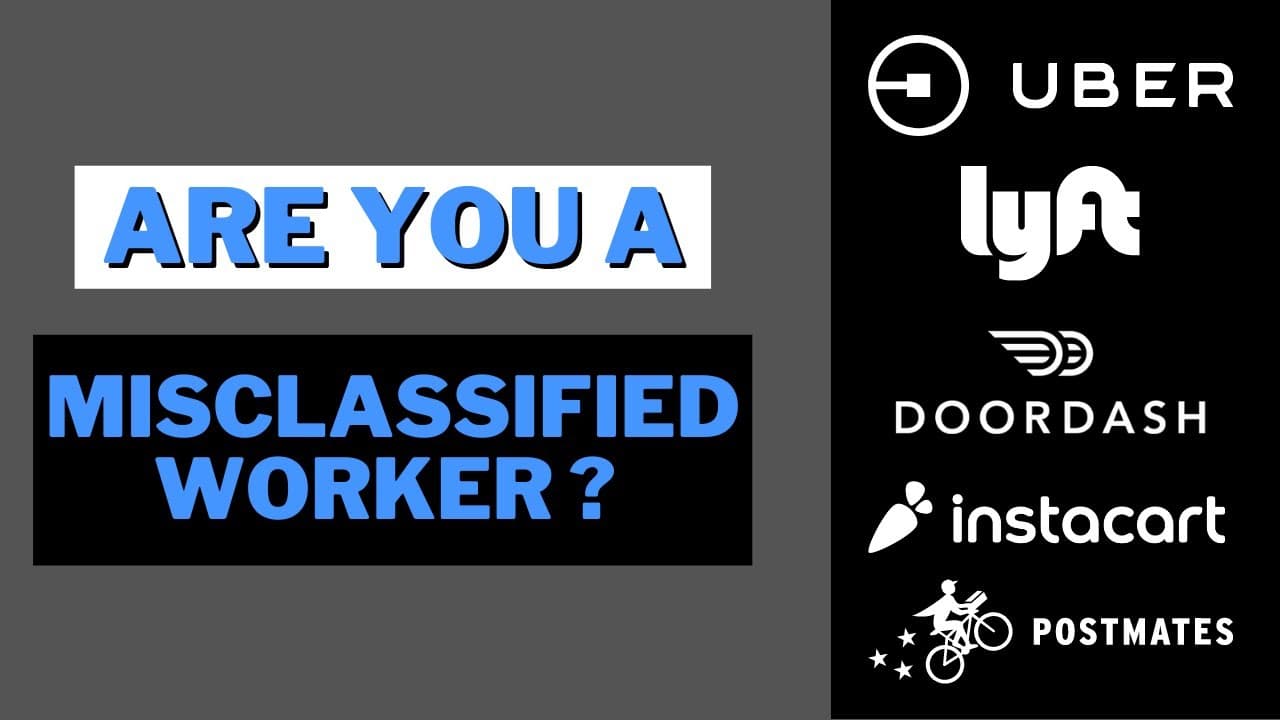
Explaining Assembly Bill 5 to Uber, Lyft and other ride share drivers
TL;DR
California law reclassifies Uber and Lyft drivers as employees, impacting benefits and company operations.
Transcript
welcome in to another episode of the lawyer you know and today we're going to be talking about uber and lyft drivers and how some new laws coming down in the state of california might affect the rest of the country and those companies as a whole as they're being forced to classify some of these drivers as employees actually all of the drivers as em... Read More
Key Insights
- 💖 California's AB5 law reclassifies ride-share drivers as employees, sparking legal battles and challenges for Uber, Lyft, and other companies.
- ❓ The distinction between independent contractors and employees affects benefits, flexibility, and company expenses.
- 🧑💼 Drivers face trade-offs between benefits and flexibility, reflecting divergent preferences among part-time gig workers and full-time drivers.
- 👰♀️ Proposed alternatives seek to address the complexities of employee vs. independent contractor classification for ride-share drivers.
- 👨💼 Company's resistance to the AB5 law stems from increased costs, operational changes, and impact on business models.
- 👮 The future implications of the AB5 law extend beyond California, potentially influencing ride-share regulations nationwide.
- 🗯️ Balancing driver rights, company costs, and government regulations remains a complex issue in the gig economy.
Install to Summarize YouTube Videos and Get Transcripts
Explore YouTube Video Summarizer or Get YouTube Transcript Extractor
Questions & Answers
Q: How has California's AB5 law impacted Uber and Lyft drivers?
AB5 law reclassifies ride-share drivers as employees, entitling them to benefits but reducing flexibility and increasing costs for companies.
Q: Why are Uber, Lyft, and other companies resisting the AB5 law?
Companies resist as employee classification raises costs, limits flexibility, and changes business models, leading to lawsuits and challenges.
Q: What are the differences between independent contractors and employees for ride-share drivers?
Independent contractors have flexibility but lack benefits, while employees receive benefits but lose flexibility and face increased company control.
Q: How do the proposed alternatives aim to address the employee vs. independent contractor dilemma?
Alternatives like the Think Tank's proposed numbering system aim to offer a hybrid solution, providing benefits without compromising driver flexibility.
Summary & Key Takeaways
-
California law AB5 reclassifies ride-share drivers from independent contractors to employees.
-
Uber, Lyft, and other companies face lawsuits against this law due to increased costs.
-
Drivers face benefits but lose flexibility if classified as employees.
Read in Other Languages (beta)
Share This Summary 📚
Summarize YouTube Videos and Get Video Transcripts with 1-Click
Try YouTube Summary with ChatGPT & Claude or YouTube Transcript Generator
Explore More Summaries from Lawyer You Know 📚




Summarize YouTube Videos and Get Video Transcripts with 1-Click
Try YouTube Summary with ChatGPT & Claude or YouTube Transcript Generator