Why protecting animal migrations could help the planet - The Climate Question, BBC World Service
TL;DR
Climate change disrupts wildebeest migration patterns and threatens ecosystems.
Transcript
This is The Climate Question from the BBC World Service. I'm Sophie Eastaugh and I'm speaking to someone with a very enviable job, a safari guide in Tanzania, Neema Amos. I'm in the vehicle right now. What I'm seeing in front of me is the woodland area, a lot of birds. The greenery of the woodland area - it's beautiful. I don't see any anima... Read More
Key Insights
- ❓ The Great Migration is a vital ecological event that supports diverse wildlife populations and is heavily influenced by climate conditions.
- 🥳 Climate change has altered traditional migration and birthing patterns, creating stress in animal populations and threatening their survival.
- 🥺 The reduction in wildebeest numbers has led to an imbalance in the Serengeti ecosystem, affecting predators and plant health.
- 😣 The changing climate has caused severe drought conditions, increasing human-wildlife conflict and poaching challenges.
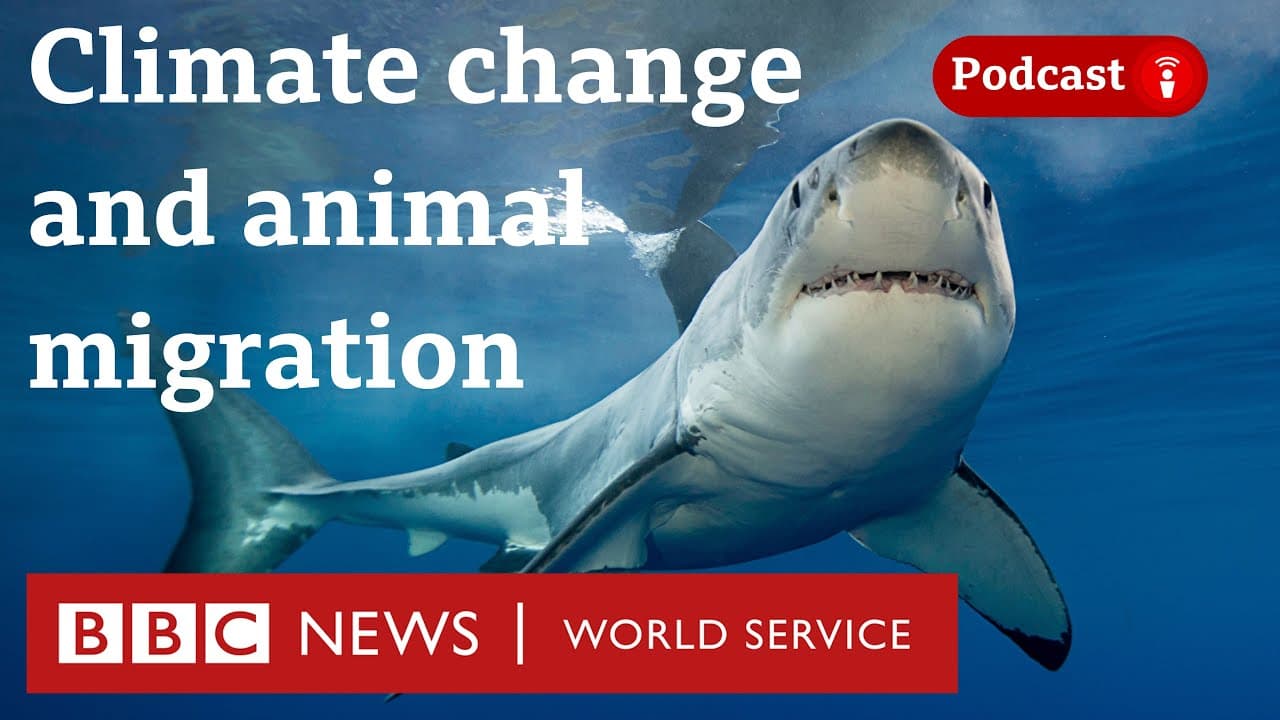
- 🖐️ Sharks play a crucial role in maintaining marine ecosystems and their altered migration patterns due to temperature changes have far-reaching ecological consequences.
- 🥺 Loss of keystone species like wildebeests and sharks can lead to increased carbon emissions, jeopardizing efforts to combat climate change.
- 🧑⚕️ The interconnectedness of ecosystems means that the decline of one species significantly impacts the health and stability of others.
Install to Summarize YouTube Videos and Get Transcripts
Explore YouTube Video Summarizer or Get YouTube Transcript Extractor
Questions & Answers
Q: What is the Great Migration, and why is it significant?
The Great Migration is a phenomenal movement of approximately 1.5 million wildebeests, along with zebras and gazelles, primarily across Tanzania and Kenya. It is significant because it supports the Serengeti ecosystem, impacting predator populations and providing critical resources for various species. The migration is a key attraction for tourists, contributing to local economies.
Q: How has climate change affected the birthing patterns of wildebeests?
Climate change has caused unpredictable rainfall, resulting in wildebeests giving birth in areas they normally wouldn’t. Last year's unusual rains scattered pregnant wildebeests across the eastern Serengeti, creating confusion and stress in their birthing patterns, with implications for calf survival and overall herd stability.
Q: What are the impacts of decreased wildebeest numbers in the Maasai Mara?
The decline from over one million wildebeests to about 250,000 in the Maasai Mara has led to increased competition for resources among remaining wildlife. This has repercussions for the entire ecosystem, as fewer wildebeests mean less food for predators and reduced landscape management, allowing other species to become overgrazed.
Q: How do wildebeests contribute to carbon storage?
Wildebeests play a significant role in carbon storage by grazing on grass and providing dung, which enriches the soil. Their movement prevents grasslands from becoming overgrown, reducing fire risks and supporting carbon sequestering plants. Their population decline can lead to higher wildfire risks and less carbon capture, exacerbating climate change.
Q: What challenges do safari guides face due to climate change?
Safari guides like Neema Amos face increased pressure to locate animals as migration patterns become unpredictable due to climate change. They must educate tourists about these changes and adapt their tours, often leading to uncertainties that can affect guest satisfaction and business viability.
Q: How does the drying of the Mara River impact wildlife?
The Mara River's drying has resulted in a serious water shortage for migrating animals, forcing them to travel longer distances in search of food and water. This not only increases the animals' vulnerability to poaching but also disrupts the balance of the entire ecosystem relying on the river.
Q: What are the broader implications of declining shark populations?
Sharks play a vital role in marine ecosystems, including regulating prey populations and maintaining healthy seagrass meadows. A decline in shark populations due to climate change and human activity can lead to unchecked prey species, which in turn harms carbon storage capabilities in these habitats, contributing to climate change.
Q: In what ways can managing animal populations help combat climate change?
Effective management and restoration of key animal populations, such as sharks and wildebeests, can lead to enhanced carbon sequestration, improved ecosystem resilience, and reduced greenhouse gas emissions. This approach can significantly contribute to achieving climate goals by promoting biodiversity and ecosystem services that benefit the environment.
Summary & Key Takeaways
-
Neema Amos, a safari guide in Tanzania, discusses the Great Migration, which has been affected by unpredictable climate patterns, impacting where and when wildebeest give birth.
-
Over the decades, the number of wildebeest migrating to the Maasai Mara has significantly decreased due to climate change, leading to increased vulnerability and poaching.
-
The interconnectedness of ecosystems means that the loss of wildebeests affects not only wildlife but also human livelihoods and overall environmental health.
Read in Other Languages (beta)
Share This Summary 📚
Summarize YouTube Videos and Get Video Transcripts with 1-Click
Try YouTube Summary with ChatGPT & Claude or YouTube Transcript Generator
Explore More Summaries from The Climate Question 📚





Summarize YouTube Videos and Get Video Transcripts with 1-Click
Try YouTube Summary with ChatGPT & Claude or YouTube Transcript Generator