How Do Plants Clean Up Pollution Naturally?
TL;DR
Plants clean up pollution through a process called phytoremediation, where they absorb harmful chemicals through their roots. This natural method is being effectively utilized by biochemist Eucharia Nwaichi in the Niger Delta to restore oil-polluted land, fostering community trust and participation in environmental restoration projects.
Transcript
Hello. This is 6 Minute English from BBC Learning English. I'm Neil... and I'm Beth. Now, imagine a field polluted by spilled oil. Toxic waste has mixed into the water and chemical fumes have overtaken the air, leaving animals dead and the land unsafe for humans. Unfortunately, situations like this are common all over the world. Cleaning up chemica... Read More
Key Insights
- Phytoremediation is a natural technique where plants are used to remove harmful chemicals from polluted environments, offering a cost-effective and less dangerous solution compared to technological methods.
- In the Niger Delta, oil spills have severely polluted the land, creating mistrust between local communities and multinational oil companies due to broken promises of cleanup.
- Eucharia Nwaichi, a biochemist, uses phytoremediation to clean oil-polluted areas in Nigeria, earning her the prestigious Maddox prize for her courageous efforts in challenging environments.
- Eucharia's success in phytoremediation involves gaining trust and cooperation from local communities, which is achieved through diplomacy and understanding local leadership structures.
- The charismatic approach of Eucharia involves engaging with local chiefs, women leaders, and youth leaders to inform and involve them in the restoration process.
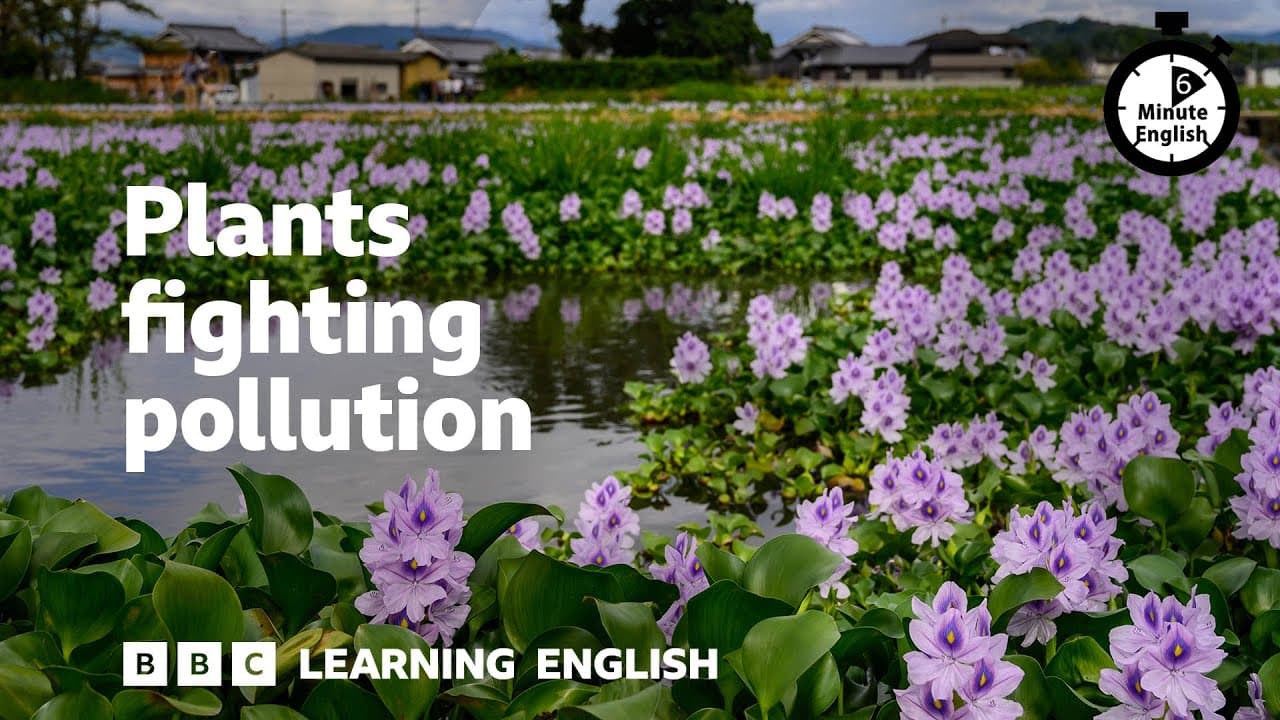
- Plants like water hyacinths can absorb oil from water and fungi can break down plastic waste, showcasing diverse applications of phytoremediation.
- Despite the challenges, Eucharia has spent 20 years teaching communities how plants can revive their land, demonstrating the potential of natural solutions in environmental restoration.
- The science behind phytoremediation involves plants using their roots to absorb and break down pollutants, effectively cleaning the environment without the need for complex machinery.
Install to Summarize YouTube Videos and Get Transcripts
Explore YouTube Video Summarizer or Get YouTube Transcript Extractor
Questions & Answers
Q: What is phytoremediation?
Phytoremediation is a technique where certain plants are used to remove harmful chemicals from polluted environments. It involves plants absorbing and breaking down pollutants through their roots, offering a natural and cost-effective solution to environmental cleanup compared to traditional technological methods.
Q: Who is Eucharia Nwaichi and what is her contribution?
Eucharia Nwaichi is a biochemist from Nigeria who uses phytoremediation to clean oil-polluted areas in the Niger Delta. Her work involves teaching local communities how to use plants to restore their land, earning her the prestigious Maddox prize for her courageous efforts in challenging environments.
Q: How does Eucharia build trust with local communities?
Eucharia builds trust with local communities by engaging with their leadership structures, such as chiefs, women leaders, and youth leaders. Her diplomatic approach and charisma help her gain their cooperation, overcoming the mistrust caused by previous broken promises from oil companies regarding environmental cleanup.
Q: What are some examples of plants used in phytoremediation?
Examples of plants used in phytoremediation include water hyacinths, which can absorb oil from water, and fungi, which can break down plastic waste. These plants showcase the diverse applications of phytoremediation in addressing different types of pollution effectively and naturally.
Q: What challenges does the Niger Delta face regarding pollution?
The Niger Delta faces severe pollution due to oil spills, which have devastated the landscape and created mistrust between local communities and multinational oil companies. Broken promises from these companies to clean up the spills have led to skepticism and reluctance to trust external solutions.
Q: What recognition has Eucharia received for her work?
Eucharia has received the prestigious Maddox prize for her work in phytoremediation. This award recognizes her courage and dedication in using natural methods to clean polluted environments, particularly in dangerous and challenging regions like the Niger Delta, where her efforts have made a significant impact.
Q: How does phytoremediation benefit the environment?
Phytoremediation benefits the environment by providing a natural and sustainable method of cleaning pollutants without the need for complex machinery. It reduces the cost and danger associated with traditional cleanup methods, while also empowering local communities to participate in restoring their environment.
Q: What role does charisma play in Eucharia's success?
Charisma plays a crucial role in Eucharia's success by enabling her to attract, influence, and inspire local communities to participate in phytoremediation projects. Her natural ability to connect with people helps build trust and cooperation, essential for the successful implementation of environmental restoration efforts.
Summary & Key Takeaways
-
Phytoremediation is a natural method where plants remove pollutants from the environment, offering a safer and cheaper alternative to technological solutions. Eucharia Nwaichi's work in the Niger Delta uses this technique to clean oil-polluted lands, earning her recognition for her efforts.
-
Eucharia's approach involves building trust with local communities by engaging with their leadership structures, allowing her to successfully implement phytoremediation projects. Her charisma and diplomacy help overcome the mistrust caused by previous broken promises from oil companies.
-
Plants like water hyacinths and fungi are effective in cleaning different types of pollution, showcasing the versatility of phytoremediation. This natural solution not only addresses environmental issues but also empowers local communities to participate in the restoration of their land.
Read in Other Languages (beta)
Share This Summary 📚
Summarize YouTube Videos and Get Video Transcripts with 1-Click
Try YouTube Summary with ChatGPT & Claude or YouTube Transcript Generator
Explore More Summaries from BBC Learning English 📚

Summarize YouTube Videos and Get Video Transcripts with 1-Click
Try YouTube Summary with ChatGPT & Claude or YouTube Transcript Generator