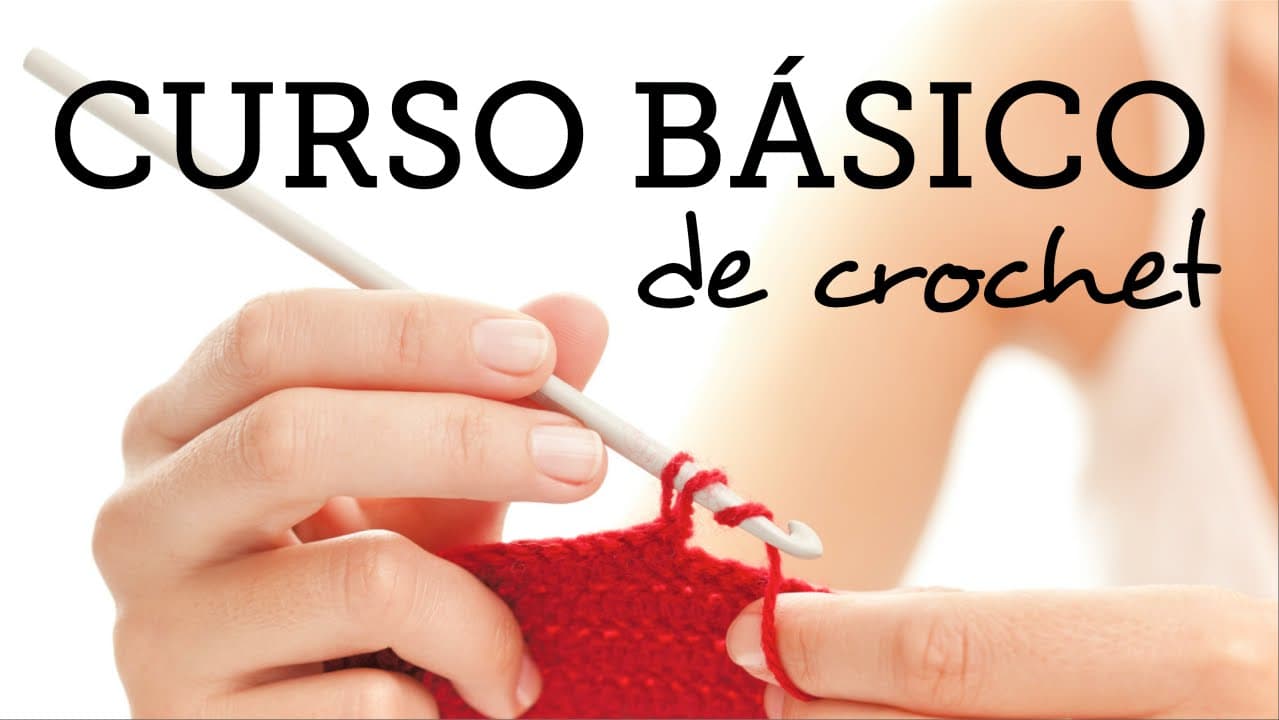
CLASE 1: Nudo Deslizado y Cadenas (SLIPKNOT AND CHAINS) - Curso Básico de Crochet para Principiantes
TL;DR
Learn basic crochet techniques: slipknot and chains.
Transcript
Hello! Future crocheters! You are here because you want to learn how to crochet, and I think you are in the best website. Ahuyama Crochet is a channel where we learn how to crochet step by step. From the easiest things to the hardest. But never difficult because we'll always do everything step by step so that nobody gets lost. BASIC CROCHET COURSE... Read More
Key Insights
- The course emphasizes a step-by-step approach, ensuring that beginners can follow along without getting lost, starting from basic to more complex crochet techniques.
- Various types of crochet hooks are discussed, including metal, plastic, wood, and ergonomic, with recommendations based on ease of use and durability.
- For beginners, a crochet hook size between four and five millimeters is recommended, paired with wool yarn of the same thickness for optimal results.
- Holding techniques for both the crochet hook and thread are explained, offering multiple methods to accommodate personal comfort and style.
- The slipknot is introduced as a foundational knot in crochet, adjustable to fit any hook size, and serving as the starting point for most projects.
- Creating chains is described as the base of almost any crochet project, with instructions on how to make them using the slipknot.
- The importance of tension in holding the thread is highlighted, ensuring that the thread is not too loose, which can complicate the crocheting process.
- The next class will cover the single crochet stitch, an essential and versatile stitch used in various projects like hats and pincushions.
Install to Summarize YouTube Videos and Get Transcripts
Explore YouTube Video Summarizer or Get YouTube Transcript Extractor
Questions & Answers
Q: What types of crochet hooks are recommended for beginners?
For beginners, it is recommended to use metal or wood hooks due to their durability and ease of use. Ergonomic hooks are also suggested if available, as they help reduce strain on the wrist and fingers during extended crocheting sessions.
Q: Why is the slipknot important in crochet?
The slipknot is crucial in crochet as it serves as the starting point for most projects. It is adjustable, allowing it to fit any hook size, and provides a secure base from which to begin creating chains, the foundation of many crochet patterns.
Q: How does the choice of hook size affect a crochet project?
Choosing the correct hook size is vital as it affects the tension and overall appearance of the crochet work. A hook that is too large or too small for the yarn can lead to uneven stitches and difficulty in managing the yarn, impacting the final product's quality.
Q: What are the benefits of ergonomic crochet hooks?
Ergonomic crochet hooks are designed to reduce hand fatigue and strain, making them ideal for long crocheting sessions. They offer a more comfortable grip, which can help prevent repetitive strain injuries, making them a valuable tool for both beginners and experienced crocheters.
Q: What is the purpose of the chains in crochet?
Chains serve as the foundation for most crochet projects, providing a base upon which other stitches are built. They are essential for creating the initial structure and determining the width of the project, making them a fundamental skill for any crocheter to master.
Q: How can beginners ensure proper tension when crocheting?
Beginners can ensure proper tension by practicing how to hold the thread correctly. Wrapping the thread around the fingers and maintaining a consistent grip helps control the tension, ensuring the stitches are even and the yarn flows smoothly through the project.
Q: What should beginners focus on in their first crochet class?
In their first crochet class, beginners should focus on understanding the basic tools and materials, such as selecting the right hook and yarn. Learning foundational techniques like the slipknot and chains is also crucial, as these skills are the building blocks for more advanced crochet projects.
Q: What will the next class in the crochet course cover?
The next class in the crochet course will cover the single crochet stitch, an essential technique in the art of crochet. This stitch is versatile and can be used to create a wide range of projects, from simple items like hats to more complex pieces like decorative pincushions.
Summary & Key Takeaways
-
This introductory crochet class covers the basics of using different types of hooks and the importance of selecting the right size and material. It also explains how to start a crochet project with a slipknot and create foundational chains.
-
The instructor provides detailed guidance on how to hold the crochet hook and thread, emphasizing personal comfort and the need for proper tension to facilitate the crocheting process.
-
Future classes will build on these basics, introducing more complex stitches like the single crochet, which is fundamental in creating a variety of crochet projects such as hats and decorative items.
Read in Other Languages (beta)
Share This Summary 📚
Summarize YouTube Videos and Get Video Transcripts with 1-Click
Try YouTube Summary with ChatGPT & Claude or YouTube Transcript Generator
Explore More Summaries from Ahuyama Crochet 📚
Summarize YouTube Videos and Get Video Transcripts with 1-Click
Try YouTube Summary with ChatGPT & Claude or YouTube Transcript Generator