Trudeau’s net-zero plan leaves Canada reliant on foreign energy
TL;DR
Canada's electricity market faces challenges due to rising demand and insufficient supply.
Transcript
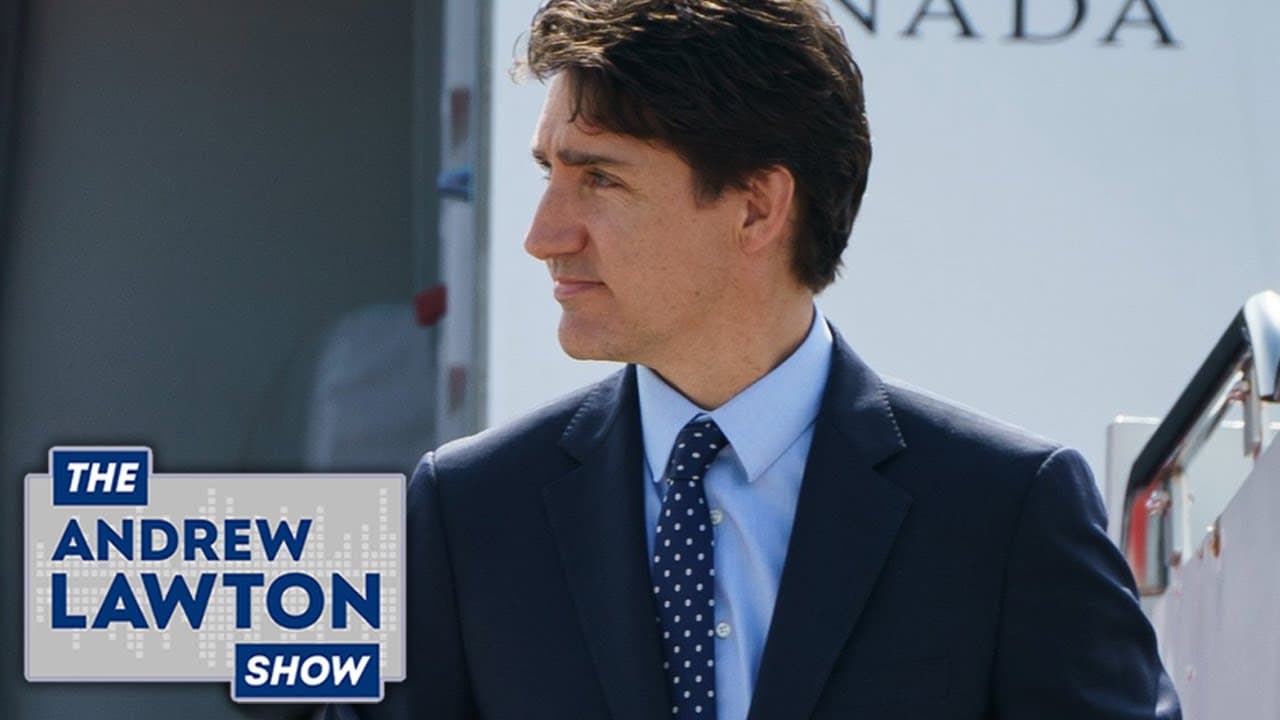
you're tuned in to the Andrew lton show uh we will move from defense to a different form of territorial Independence which is our electricity market now this is a I I'll I'll warn you it's a bit in the weeds in some ways but I think it's understandable because we see Rising electricity rates in many places across the country I mean I'm from Ontario... Read More
Key Insights
- ⌛ Canada has transitioned to importing electricity for the first time, indicating potential weaknesses in its energy policies.
- 😮 The country's self-image as a significant electricity producer contrasts sharply with the reality of rising import dependency.
- 🌱 Multiple provinces, including Quebec, are struggling to meet projected electricity demands despite planned expansions of renewable resources.
- 🚙 The urgency to increase electricity generation capacity is compounded by the escalating transition to electric vehicles and other renewable technologies.
- 🥺 Historical blackouts highlight the severe consequences of electricity supply failures, which can lead to long-term economic disruptions.
- 😀 Policymakers face the challenge of balancing decarbonization goals with the necessity of ensuring reliable electricity supply.
- ❓ Proposals to expand hydroelectric capacity will be insufficient without significant investment into diversified electricity generation options.
Install to Summarize YouTube Videos and Get Transcripts
Explore YouTube Video Summarizer or Get YouTube Transcript Extractor
Questions & Answers
Q: What does it mean for Canada to become a net importer of electricity?
Becoming a net importer means that Canada now relies on electricity imports more than it exports. This is significant because Canada historically prided itself on its vast and abundant electricity resources, particularly hydropower. Now, the shift highlights potential inadequacies in the country's energy policies and infrastructure, as it struggles to meet domestic demands.
Q: How have recent policies impacted Canada's electricity supply?
Current policies focused on decarbonization have led to reduced investments in fossil fuels, but there has been an insufficient corresponding investment in expanding electricity supply. This misalignment has created a situation where rising demand, fueled by the push for electric vehicles and alternative energy uses, is not matched by available supply, risking future shortages.
Q: What are the potential implications of a collapsing electrical grid?
A collapsing electrical grid could lead to extended blackouts lasting weeks or months, significantly disrupting economic activity and daily life. This scenario would have catastrophic consequences, including the paralysis of critical services, loss of economic productivity, and increased hardships for vulnerable populations reliant on steady electricity for basic needs.
Q: What lessons can be learned from the electricity crisis in Alberta?
The crisis in Alberta underscores the importance of ensuring adequate electricity generation capacity to meet demand. It illustrates that near misses or short-lived crises can serve as critical warnings, indicating systemic vulnerabilities in energy supply. Lessons from Alberta highlight the urgent need for increased infrastructure investment and planning to safeguard against future failures.
Summary & Key Takeaways
-
Canada has shifted from being a net exporter to a net importer of electricity, highlighting vulnerabilities in its energy supply. This shift raises concerns about the adequacy of current electricity generation capacity to meet growing demand.
-
Policy decisions aimed at decarbonization have restricted fossil fuel investments, but corresponding increases in electricity supply have not occurred. This imbalance may lead to chronic shortages and reliance on U.S. electricity imports.
-
Recent electricity crises in Alberta and previously in Texas serve as reminders of the potential devastating effects of supply failures. The necessity for urgent and robust measures to secure a reliable and affordable energy system is now more pressing than ever.
Read in Other Languages (beta)
Share This Summary 📚
Summarize YouTube Videos and Get Video Transcripts with 1-Click
Try YouTube Summary with ChatGPT & Claude or YouTube Transcript Generator
Explore More Summaries from True North 📚






Summarize YouTube Videos and Get Video Transcripts with 1-Click
Try YouTube Summary with ChatGPT & Claude or YouTube Transcript Generator