Plantar Fasciitis: Home Treatment That Truly Works
TL;DR
Stretching and nutrition can alleviate plantar fasciitis pain.
Transcript
Hi, I'm Dr. Kelwin Juan, and in this video you will learn how to get rid of once and for all that unbearable pain you have in your heel caused by plantar fasciitis, caused by heel spurs. The main problem with plantar fasciitis is the wrong treatments that people undergo. Some doctors prescribe painkillers, anti-inflammatories, prescribe inj... Read More
Key Insights
- Many traditional treatments for plantar fasciitis, like painkillers and surgeries, only provide temporary relief and can have side effects. Investigating and treating the root cause is more effective.
- Muscle shortening, particularly in the thigh and calf, is often the underlying cause of plantar fasciitis. Stretching these areas can significantly reduce pain.
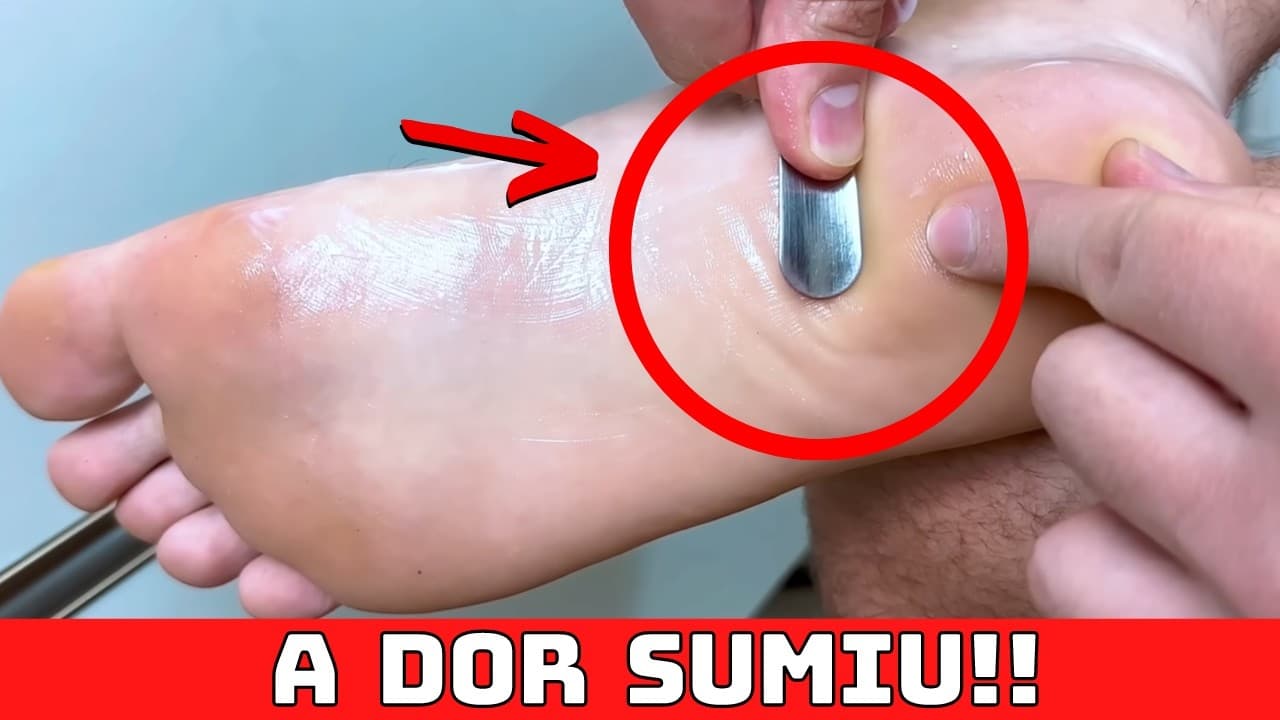
- Simple exercises, such as morning stretches and myofascial release using a spoon, can alleviate plantar fasciitis without medication.
- Ice compresses are recommended over heat compresses for plantar fasciitis, as they reduce inflammation and pain.
- Nutrition plays a crucial role in managing plantar fasciitis. Avoiding inflammatory foods and incorporating anti-inflammatory foods like omega-3 rich items can aid recovery.
- Certain footwear, like flip-flops and high heels, can exacerbate plantar fasciitis. Shoes with proper support, like Rocker Shoes, can aid in treatment.
- Turmeric is a natural anti-inflammatory that can be consumed daily without side effects, offering a natural alternative to pharmaceutical anti-inflammatories.
- A holistic approach combining exercise, nutrition, and appropriate footwear can effectively treat plantar fasciitis and improve quality of life.
Install to Summarize YouTube Videos and Get Transcripts
Explore YouTube Video Summarizer or Get YouTube Transcript Extractor
Questions & Answers
Q: What is the main problem with traditional plantar fasciitis treatments?
Traditional treatments for plantar fasciitis, such as painkillers and surgeries, often only provide temporary relief. They do not address the root cause of the problem, which is often muscle shortening. These treatments can also have side effects, and the pain may return worse than before.
Q: Why is muscle shortening significant in plantar fasciitis?
Muscle shortening, especially in the thigh and calf, is significant because it can lead to tension in the plantar fascia, causing pain. Stretching these muscles helps to alleviate this tension, addressing the root cause of plantar fasciitis and reducing pain effectively.
Q: How can stretching help alleviate plantar fasciitis?
Stretching helps alleviate plantar fasciitis by lengthening the muscles in the thigh and calf, reducing tension in the plantar fascia. This approach addresses the root cause of the condition rather than just masking the pain with medications, leading to more effective and lasting relief.
Q: What role does nutrition play in treating plantar fasciitis?
Nutrition plays a crucial role in treating plantar fasciitis by reducing inflammation. Consuming anti-inflammatory foods like omega-3-rich items and avoiding inflammatory foods like processed and refined products can significantly aid recovery. A proper diet complements exercises to improve overall treatment outcomes.
Q: Why are ice compresses recommended over heat compresses for plantar fasciitis?
Ice compresses are recommended over heat compresses for plantar fasciitis because they help reduce inflammation and pain. Heat can exacerbate the condition by increasing inflammation, whereas ice reduces temperature and provides analgesic effects, contributing to symptom relief.
Q: How does footwear affect plantar fasciitis treatment?
Footwear significantly affects plantar fasciitis treatment. Shoes that lack support, like flip-flops and high heels, can worsen the condition by increasing tension on the plantar fascia. Conversely, supportive shoes like Rocker Shoes can aid in treatment by providing stability and reducing harmful movements.
Q: What is the benefit of using turmeric for plantar fasciitis?
Turmeric is beneficial for plantar fasciitis as it acts as a natural anti-inflammatory without the side effects associated with pharmaceutical options. Consuming turmeric, whether encapsulated or as a seasoning, can help reduce inflammation and pain, supporting overall treatment and recovery.
Q: What holistic approach is suggested for treating plantar fasciitis?
A holistic approach to treating plantar fasciitis includes a combination of stretching exercises, proper nutrition, and using appropriate footwear. This comprehensive strategy addresses the root causes of the condition, reduces inflammation, and provides effective and lasting relief from pain.
Summary & Key Takeaways
-
Dr. Kelwin Juan discusses how traditional treatments for plantar fasciitis often fail to address the root cause, leading to recurring pain. He emphasizes the importance of stretching and investigating muscle shortening as a primary cause.
-
Simple home exercises, like morning stretches and myofascial release with a spoon, are highlighted as effective treatments for plantar fasciitis. Ice compresses are recommended over heat to reduce inflammation and pain.
-
Nutrition is crucial in managing plantar fasciitis. Avoiding inflammatory foods and incorporating anti-inflammatory options like omega-3s and turmeric can aid recovery. Proper footwear is also essential for effective treatment.
Read in Other Languages (beta)
Share This Summary 📚
Summarize YouTube Videos and Get Video Transcripts with 1-Click
Try YouTube Summary with ChatGPT & Claude or YouTube Transcript Generator