How Democracies Decline: Insights from Anne Applebaum
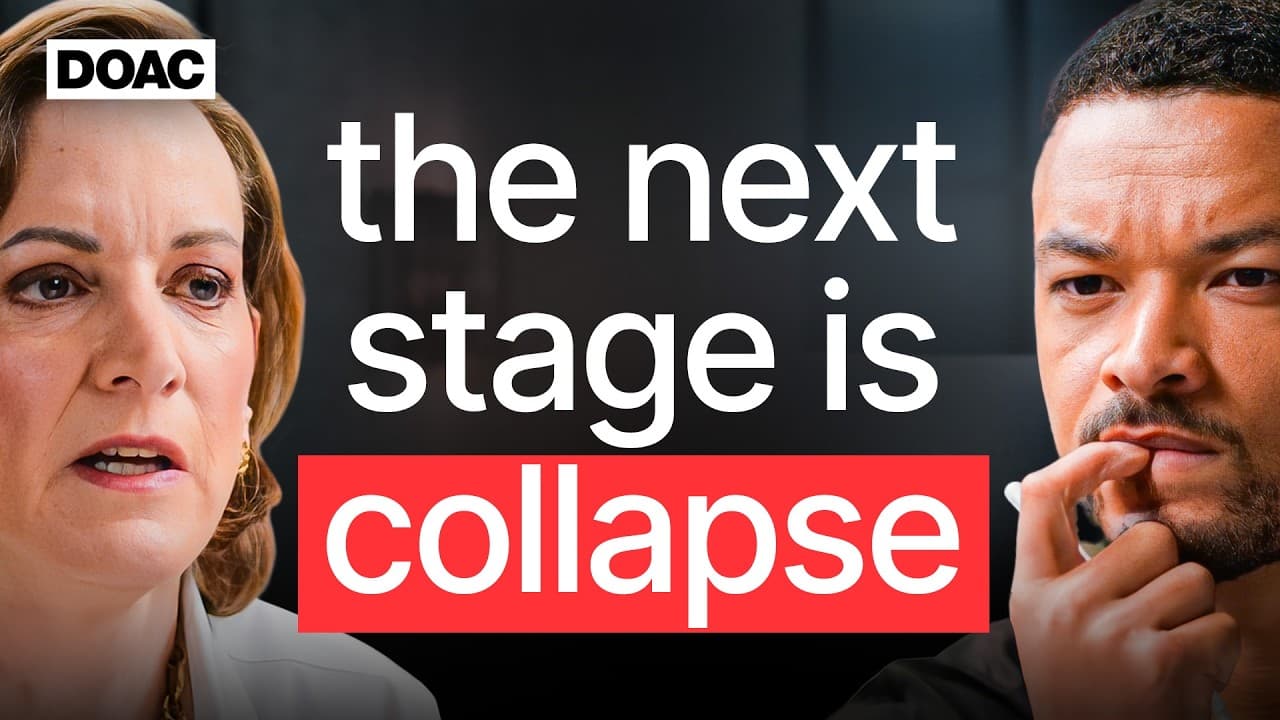
TL;DR
American democracy is at risk due to internal and external pressures. Autocrats exploit systems to maintain power, often leading to democratic decline. The U.S. faces challenges like political polarization, wealth inequality, and erosion of democratic norms. Vigilance and active participation are crucial to preserve democratic values.
Transcript
This was Trump's net worth when he went into office, $2.3 billion. And this is his net worth now, just two years later. $6.5 billion. >> So, we've never had a president running businesses while in office. And so, decisions are being made not based on what's good for Americans, but what's good for his company. For example, why did the Saudi governme... Read More
Key Insights
- Trump's presidency saw a significant increase in his net worth, raising concerns about conflicts of interest.
- Autocratic leaders often dismantle democracy by altering electoral systems to maintain power.
- Neutral institutions like independent courts and media are vital for democratic stability.
- The U.S. has a history of undemocratic practices, particularly in the South before the civil rights movement.
- Political parties in power with the aim to alter systems for prolonged control pose a threat to democracy.
- The rise of paramilitary forces and high-end corruption are signs of democratic erosion in the U.S.
- Global democratic decline is influenced by leaders who admire autocracies and seek similar power.
- Public complacency and lack of civic engagement can facilitate the decline of democratic systems.
Install to Summarize YouTube Videos and Get Transcripts
Explore YouTube Video Summarizer or Get YouTube Transcript Extractor
Questions & Answers
Q: How do autocratic leaders dismantle democracy?
Autocratic leaders often dismantle democracy by altering electoral systems, capturing state institutions, and undermining neutral bodies like courts and media. They may also use corruption and control over information to maintain power and suppress opposition, leading to a gradual erosion of democratic norms.
Q: What are the signs of democratic decline in the U.S.?
Signs of democratic decline in the U.S. include political polarization, wealth inequality, erosion of democratic norms, and the rise of paramilitary forces. High-end corruption and manipulation of electoral systems further threaten the stability of American democracy.
Q: Why is civic engagement important for democracy?
Civic engagement is crucial for democracy as it ensures active participation in the political process, holding leaders accountable, and preserving democratic norms. A lack of engagement can lead to complacency, allowing autocratic tendencies to take root and erode democratic institutions.
Q: How does wealth inequality affect democracy?
Wealth inequality affects democracy by creating disparities in political influence and access to resources. It can lead to disenfranchisement and a lack of representation for marginalized groups, undermining the principles of equality and fairness that are fundamental to democratic systems.
Q: What role do neutral institutions play in a democracy?
Neutral institutions like independent courts, media, and electoral commissions are vital for maintaining checks and balances in a democracy. They ensure fair elections, uphold the rule of law, and provide unbiased information, which are essential for a healthy democratic society.
Q: How does political polarization threaten democracy?
Political polarization threatens democracy by deepening divisions within society, leading to gridlock and ineffective governance. It can erode trust in democratic institutions and processes, making it difficult to reach consensus on important issues and weakening the overall democratic fabric.
Q: What is the impact of global democratic decline?
Global democratic decline impacts countries by weakening democratic norms and institutions, leading to increased authoritarianism and human rights abuses. It can also affect international relations and stability, as democratic countries struggle to promote and uphold democratic values globally.
Q: Why is public complacency dangerous for democracy?
Public complacency is dangerous for democracy because it leads to disengagement from the political process, allowing autocratic leaders to manipulate systems and erode democratic norms. Active participation and vigilance are essential to hold leaders accountable and preserve democratic values.
Summary & Key Takeaways
-
Anne Applebaum discusses the decline of democracy, emphasizing the role of autocratic leaders who manipulate systems to maintain power. She highlights the importance of neutral institutions and warns against complacency in democratic societies.
-
The U.S. faces significant challenges, including political polarization and wealth inequality, which threaten its democratic fabric. Applebaum stresses the need for active civic engagement to counter these threats.
-
Global democratic decline is a pressing issue, with many countries experiencing erosion of democratic norms. Applebaum calls for vigilance and participation to preserve democratic values and institutions.
Read in Other Languages (beta)
Share This Summary 📚
Summarize YouTube Videos and Get Video Transcripts with 1-Click
Try YouTube Summary with ChatGPT & Claude or YouTube Transcript Generator
Explore More Summaries from The Diary Of A CEO 📚






Summarize YouTube Videos and Get Video Transcripts with 1-Click
Try YouTube Summary with ChatGPT & Claude or YouTube Transcript Generator