What Did Ron Miscavige Learn from His Time in Scientology?
TL;DR
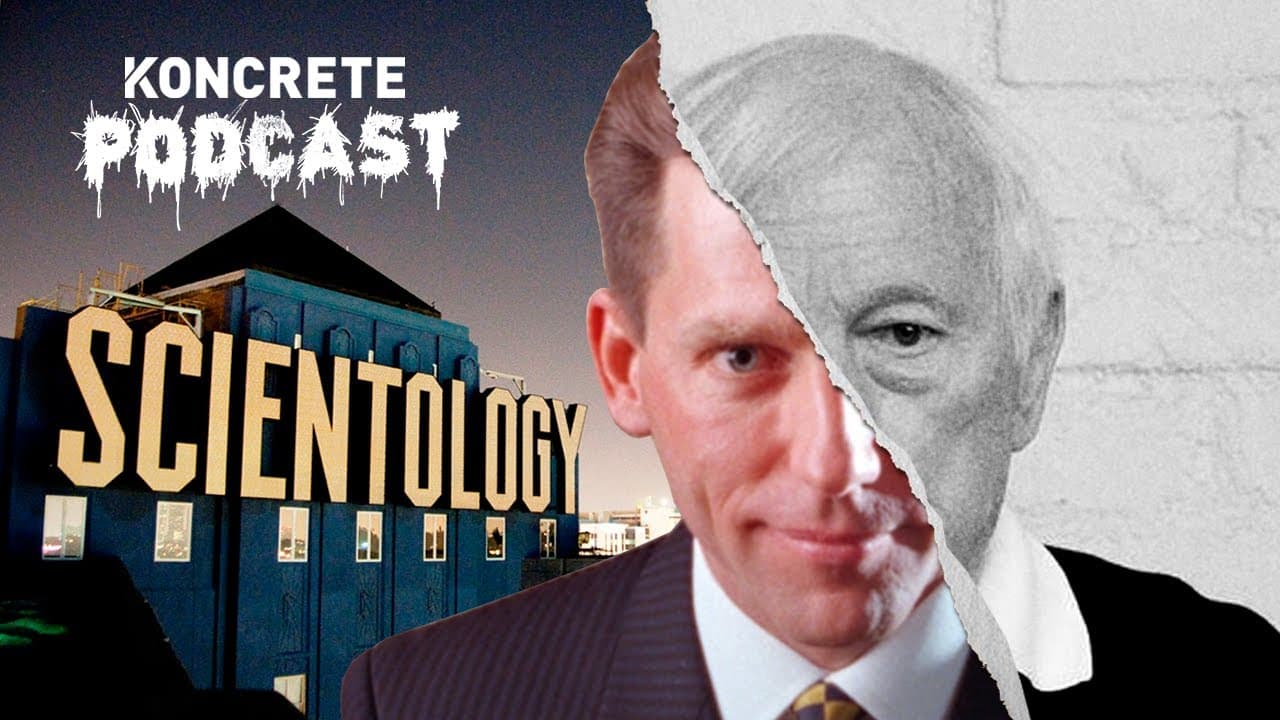
Ron Miscavige discusses his 27 years in Scientology, revealing that initial personal development benefits were overshadowed by the church's oppressive control and disconnection policies. He emphasizes how these practices severely impacted family relationships and the financial strain placed on members, ultimately leading to his decision to leave the organization.
Transcript
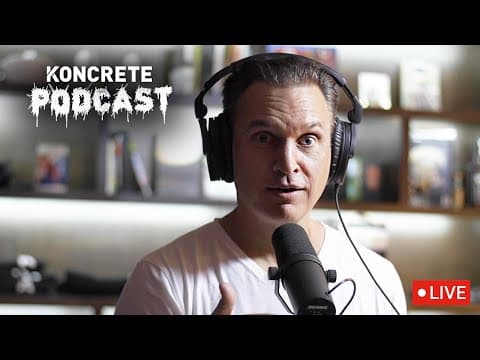
hello there world after the overwhelming response we got from podcast number 68 with mike rinder about scientology i got the opportunity to speak with today's guest ron miscavige ron is the father of david miscavige who is also the leader of the church of scientology ron and his family joined scientology in 1970 and he worked for the sea org for al... Read More
Key Insights
- ❓ Ron Miscavige joined Scientology in the 1970s, initially attracted by the promise of personal development and improvement.
- 👪 His experiences reveal the controlling nature of the church, particularly its disconnection policies, which separate members from dissenting family and friends.
- 🤳 Throughout his tenure, Ron witnessed a transition from helpful self-help techniques to a restrictive, dogmatic environment that ultimately stifled personal freedom.
- 🍃 The financial demands of Scientology often left members with minimal compensation, making it difficult for them to sustain their lives outside the organization.
- 😀 Ron emphasizes that many members remain within Scientology due to an ingrained belief in its benefits, even when faced with evidence to the contrary.
- 🥺 His exit was triggered by a critical realization about the church's treatment of its members, leading him to devise a plan to escape.
- ❓ Ron's story illustrates the psychological toll such organizations can have on familial relationships, personal identity, and autonomy.
Install to Summarize YouTube Videos and Get Transcripts
Explore YouTube Video Summarizer or Get YouTube Transcript Extractor
Questions & Answers
Q: What initially attracted Ron Miscavige to Scientology?
Ron was introduced to Scientology through a friend who mentioned its potential for personal improvement. After his headache was alleviated by a simple technique suggested by a Scientologist, he became intrigued by the ideas of enhancing one's abilities, which led him to explore the church further.
Q: How does Ron describe the early teachings of Scientology?
Ron indicates that the initial teachings of Scientology provided him with valuable tools for communication and self-help, which he found beneficial. However, he notes that as he delved deeper, the teachings became more restrictive and disconnected from their initial purpose.
Q: What was the tipping point that led Ron to leave Scientology?
The revelation of his friend Annie Tidman’s death and the realization that the organization controlled information and communication were significant factors. After accidentally accessing the internet, he learned about the church's unchecked power, prompting him to devise an escape plan.
Q: What does Ron say about the financial aspects of being in Scientology?
Members like Ron reported being paid minimal wages, such as $30 to $50 a week, while being expected to dedicate their lives to the church's mission. The pressure to donate and contribute financially often overshadowed their basic needs.
Q: How does Ron feel about the current state of Scientology?
He believes that the church has become increasingly oppressive and manipulative over the years. Despite acknowledging that there were initially beneficial aspects to Scientology, he emphasizes that the organization now prioritizes control over its members.
Q: What were the repercussions Ron faced after leaving Scientology?
Following his departure, Ron experienced extensive surveillance by private investigators hired by the church. This included attempts to intimidate him and undermine his new life outside of Scientology, showcasing the lengths they would go to protect their image.
Q: How does Ron perceive his son David’s role in Scientology?
Ron expresses sadness over David's transformation into a powerful leader within the church, attributing it to the corrupting influence of power. He hopes for a day when David may reconsider the destructive policies implemented by Scientology.
Q: What message does Ron convey about leaving high-control organizations?
Ron stresses the importance of recognizing the signs of manipulation and loss of autonomy in organizations like Scientology. He encourages individuals to seek freedom and maintain connections with their loved ones, valuing genuine relationships over institutional loyalty.
Summary & Key Takeaways
-
Ron Miscavige, father of Scientology leader David Miscavige, provides a personal account of his 27 years within the church.
-
He reflects on his journey from joining Scientology in the 1970s to eventually leaving due to the oppressive environment and control exerted by the church.
-
The podcast highlights the effects of Scientology’s practices, including disconnection policies and their impact on family relationships, while emphasizing the need for critical examination of the organization.
Read in Other Languages (beta)
Share This Summary 📚
Summarize YouTube Videos and Get Video Transcripts with 1-Click
Try YouTube Summary with ChatGPT & Claude or YouTube Transcript Generator
Explore More Summaries from Danny Jones Podcast 📚


Summarize YouTube Videos and Get Video Transcripts with 1-Click
Try YouTube Summary with ChatGPT & Claude or YouTube Transcript Generator