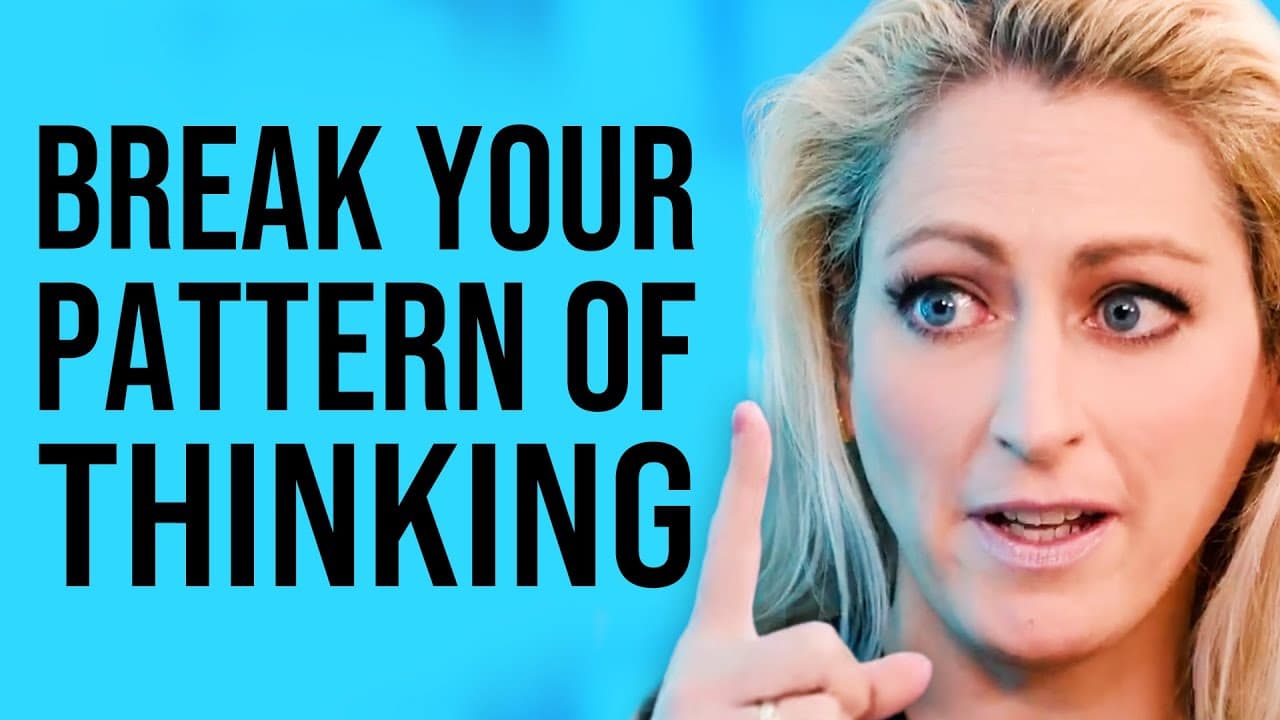
Predict The FUTURE, Feel Ready for ANYTHING and Prepare for the World AHEAD | Jane McGonigal
TL;DR
Explore future scenarios using detailed imagination for strategic preparation and innovative problem-solving.
Transcript
datter's law says any useful idea about the future should at first seem ridiculous and that's really important to hold in our minds right because you know on one hand it's easy to prepare for futures that sound normal that feel like a kind of continuation of today but it's the weird stuff that catches us off guard data's a lot trying to shock peopl... Read More
Key Insights
- 💡 Datter's Law suggests that useful future ideas should initially seem ridiculous to challenge normalcy bias.
- 🫢 Future Shock concept by Alvin Toffler highlights society's overwhelm with rapid change and uncertainty in the 1960s.
- ❓ Imagining detailed future scenarios can empower individuals to prepare, innovate, and adapt strategically.
- 💦 Backcasting involves envisioning desired future outcomes and working backward to identify steps for achieving them.
Install to Summarize YouTube Videos and Get Transcripts
Explore YouTube Video Summarizer or Get YouTube Transcript Extractor
Questions & Answers
Q: How does imagining future scenarios help individuals overcome normalcy bias?
Imagining vivid future scenarios helps individuals break out of their normalcy bias, allowing them to be more prepared for unexpected changes and challenges. It also promotes strategic thinking and problem-solving skills.
Q: What is the history behind the concept of Future Shock?
Future Shock was introduced by Alvin Toffler in 1968, highlighting society's struggle with rapid change and uncertainty. It laid the foundation for future forecasting and deep thinking about potential future scenarios.
Q: How can individuals use backcasting to prepare for future scenarios?
Backcasting involves envisioning a desired future state and working backward to identify steps to achieve that future. By setting goals and analyzing possible pathways, individuals can plan effectively for a preferred future.
Q: What role does imagination play in creating future scenarios?
Imagination is a crucial element in crafting future scenarios as it allows individuals to visualize possibilities, anticipate challenges, and develop innovative solutions. It enables strategic preparation and adaptability in the face of uncertainty.
Summary & Key Takeaways
-
Futurist Jane McGonagall discusses the importance of vividly imagining future scenarios to overcome normalcy bias.
-
The concept of Future Shock by Alvin Toffler explains society's overwhelm with rapid change in the 1960s.
-
By creating detailed future backcasts and crafting specific scenarios, individuals can prepare and innovate for upcoming changes.
Read in Other Languages (beta)
Share This Summary 📚
Summarize YouTube Videos and Get Video Transcripts with 1-Click
Try YouTube Summary with ChatGPT & Claude or YouTube Transcript Generator
Explore More Summaries from Full Episodes of Impact Theory 📚



Summarize YouTube Videos and Get Video Transcripts with 1-Click
Try YouTube Summary with ChatGPT & Claude or YouTube Transcript Generator