How Much Is Your Personal Information Worth to Hackers?
TL;DR
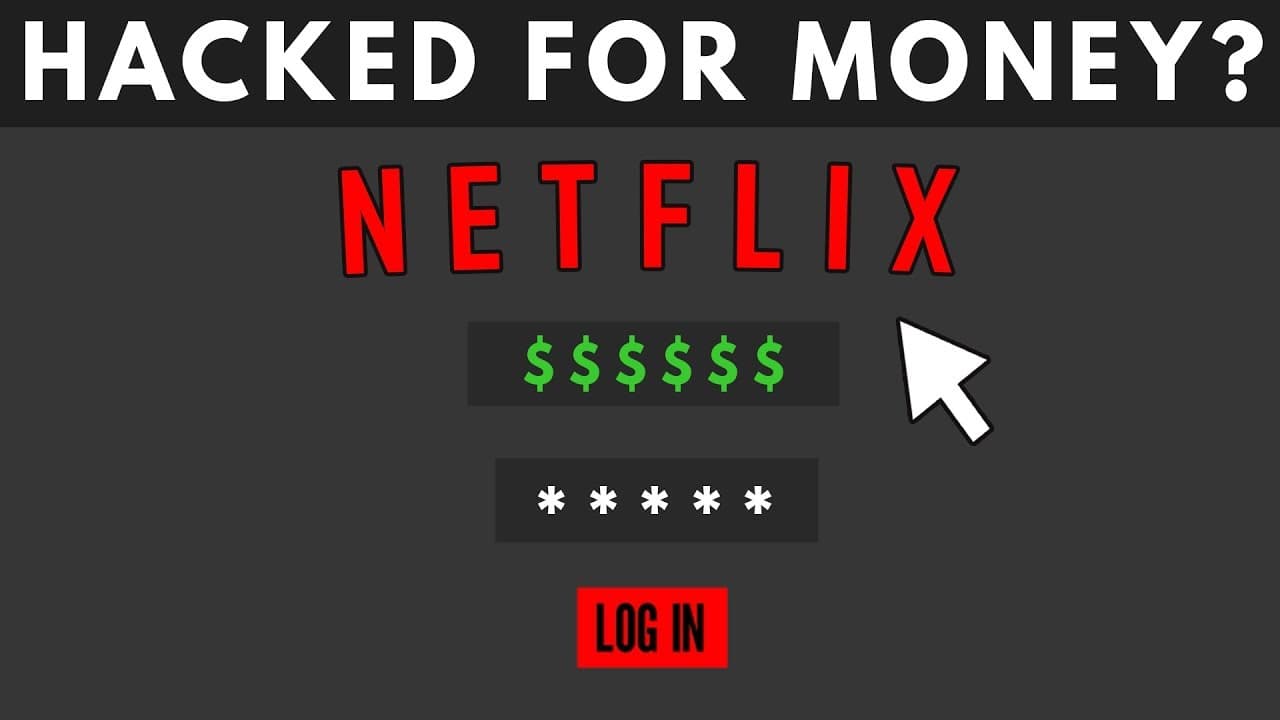
Your personal information is highly valuable to hackers, with credit card details selling for $5 to $15 and health records potentially fetching up to $50 each on the black market. Cybercriminals increasingly target sensitive data through methods like phishing and ransomware attacks, and around 43% of healthcare breaches are attributed to insider negligence rather than hacking.
Transcript
Hey there! Welcome to Life Noggin. The internet is pretty awesome, we know this. It’s what allowed my animator to create our wonderful Life Noggin universe! But as cool as the internet can be, it can also connect people in bad, malicious ways. It can be a place for hackers and data thieves to steal your personal information and then sell it to the ... Read More
Key Insights
- 🖤 Personal information has varying values on the black market, with some data like health records fetching high prices.
- 🎯 Cybersecurity threats like ransomware and phishing target individuals and organizations, with healthcare data being a prime target.
- 👾 Insider threats in the healthcare space pose a significant risk, with human error accounting for a substantial portion of data breaches.
- 📶 Using public wifi can expose individuals to potential data theft, as the connection is often insecure and unencrypted.
Install to Summarize YouTube Videos and Get Transcripts
Explore YouTube Video Summarizer or Get YouTube Transcript Extractor
Questions & Answers
Q: How much can personal information be worth on the black market?
Personal information like credit card details can range from $5 to $15, while electronic health records can go for around $50 per partial record on the black market.
Q: What are some common cybersecurity threats individuals face?
Individuals face threats like phishing, where scammers use fraudulent messages to obtain personal information, and ransomware, which can encrypt important files on devices until a ransom is paid.
Q: Why are healthcare records particularly valuable to hackers?
Healthcare records are valuable because they contain personal and sensitive information that is often tied to financials and is not easily changeable, making it more attractive to internet thieves.
Q: How can individuals protect their personal information from theft?
Individuals can protect their information by being wary of phishing attempts, avoiding insecure networks like public wifi, and ensuring their devices have up-to-date security measures in place.
Summary & Key Takeaways
-
The internet connects people for good and bad purposes, hackers steal personal information for profit.
-
Information like credit card details or health records can fetch varying prices on the black market.
-
Cybersecurity threats, such as ransomware and phishing, target individuals and healthcare data specifically.
Read in Other Languages (beta)
Share This Summary 📚
Summarize YouTube Videos and Get Video Transcripts with 1-Click
Try YouTube Summary with ChatGPT & Claude or YouTube Transcript Generator
Explore More Summaries from Life Noggin 📚





Summarize YouTube Videos and Get Video Transcripts with 1-Click
Try YouTube Summary with ChatGPT & Claude or YouTube Transcript Generator