Islam’s Origins: Myth and Material Evidence
TL;DR
Islam's traditional origins narrative is less secure than previously believed, and recent evidence suggests a more open and inclusive community of believers in the 7th century.
Transcript
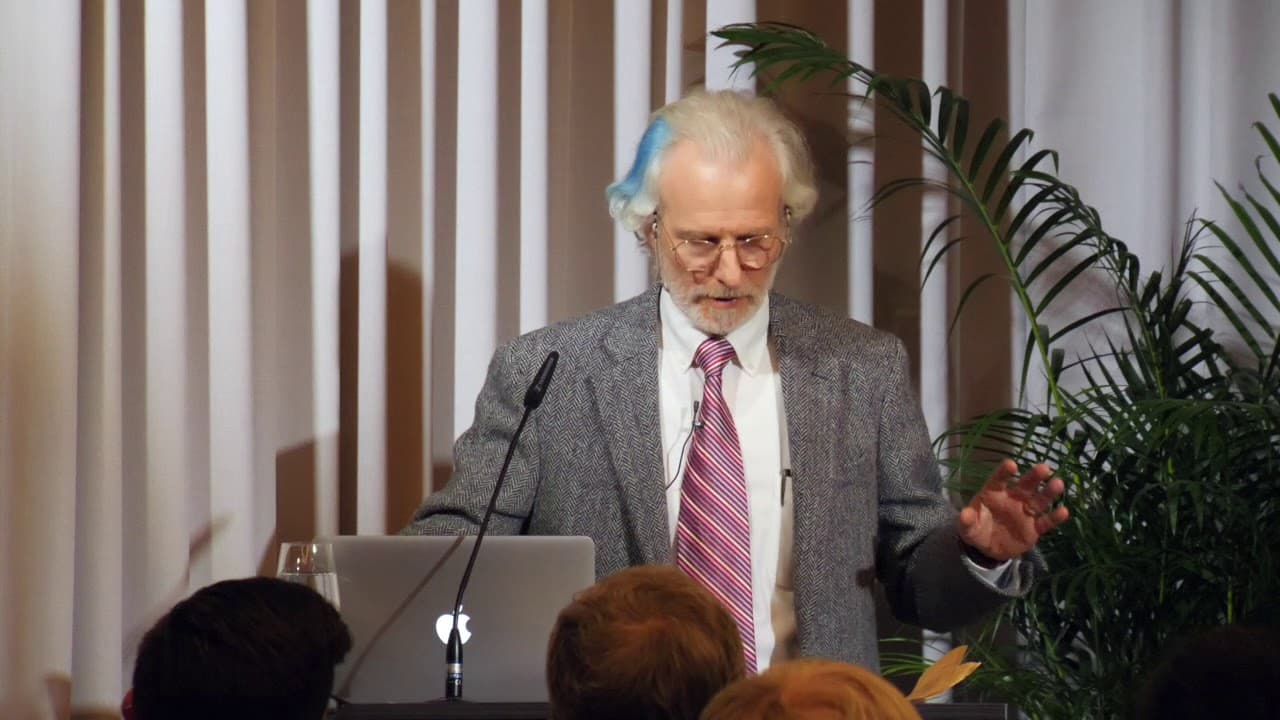
good evening I'm Terry McCarthy I'm the president the Academy delighted you could come and join us tonight for the Nina Maria garrison lecture which is made possible by Nina Fon melts on one of our great supporters and our speaker tonight Fred Donner is at the University of Chicago and I promise not to say anything more about the vortex beyond just... Read More
Key Insights
- ⚾ The traditional narrative of Islam's origins is based on later sources that are less reliable.
- 🤨 The lack of documentation from the 7th century raises questions about the accuracy of the traditional narrative.
- ❓ Evidence suggests a more inclusive community of believers in the 7th century that included Jews and Christians.
Install to Summarize YouTube Videos and Get Transcripts
Explore YouTube Video Summarizer or Get YouTube Transcript Extractor
Questions & Answers
Q: What is the traditional view of Islam's origins?
The traditional view is that Islam began with the Prophet Muhammad in the 7th century in Mecca, where he received revelations from God and founded a new religion.
Q: What challenges the traditional narrative of Islam's origins?
The traditional narrative is based on later sources and lacks strong documentation from the 7th century. There are also contradictions and discrepancies within the traditional sources, as well as differences between Muslim and non-Muslim accounts.
Q: How does the evidence suggest a more inclusive community of believers in the 7th century?
Inscriptions, papyri, and coins from the 7th century indicate that the early community identified themselves as believers rather than Muslims. There is also evidence of cooperation and symbiosis between the believers and Jewish and Christian communities.
Q: How does the research on Islam's origins impact our understanding of the religion?
The research challenges the idea of a fixed, monotheistic religion emerging immediately in the 7th century. Instead, it suggests a more fluid and open movement focused on monotheism and moral principles.
Key Insights:
- The traditional narrative of Islam's origins is based on later sources that are less reliable.
- The lack of documentation from the 7th century raises questions about the accuracy of the traditional narrative.
- Evidence suggests a more inclusive community of believers in the 7th century that included Jews and Christians.
- The research prompts a reconsideration of Islam's early development and challenges the traditional view.
Summary & Key Takeaways
-
The traditional view of Islam's origins centers around the Prophet Muhammad and the city of Mecca in the 7th century.
-
However, recent research suggests that the traditional narrative is based on later sources that are less reliable, and there is a lack of documentation from the time itself.
-
The evidence for a more open and inclusive community of believers in the 7th century, which included Jews and Christians, challenges the traditional view of Islam's early development.
Read in Other Languages (beta)
Share This Summary 📚
Summarize YouTube Videos and Get Video Transcripts with 1-Click
Try YouTube Summary with ChatGPT & Claude or YouTube Transcript Generator