Earth-Building Wounds | National Geographic
TL;DR
Iceland's unique geological features showcase plate spreading processes, volcanic eruptions, and the creation of land over centuries through intense natural forces.
Transcript
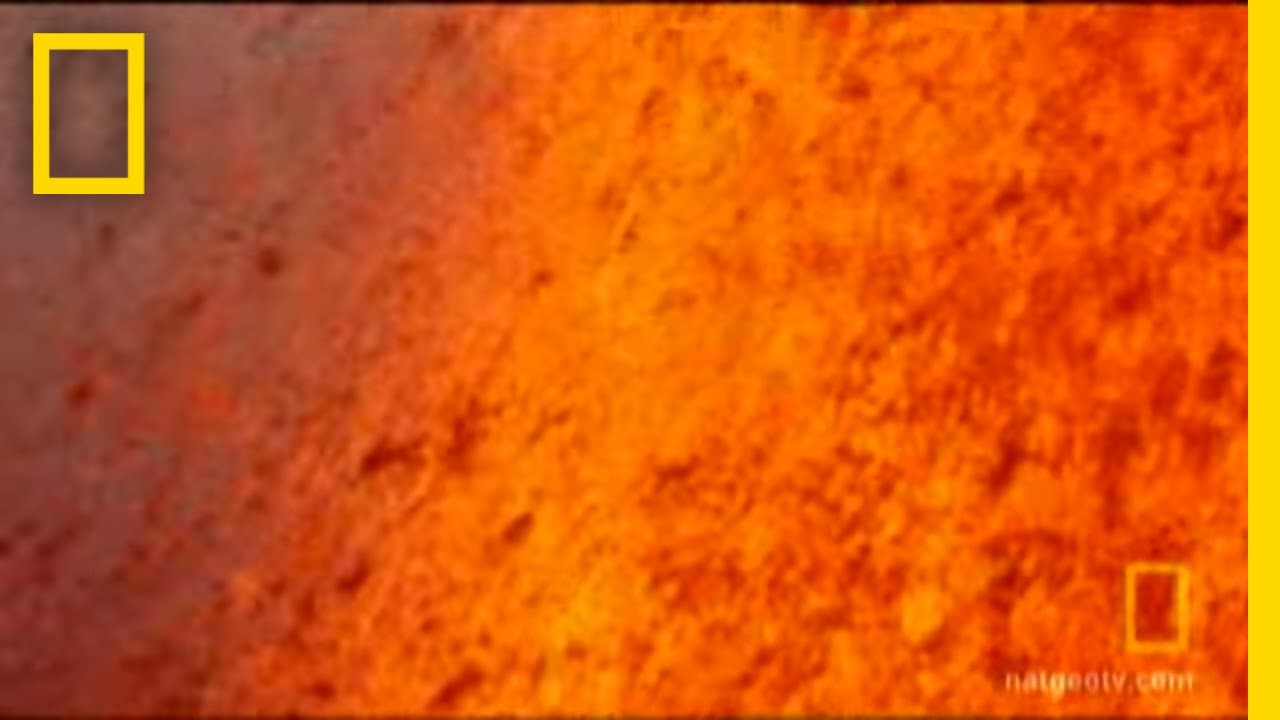
iceland's a very unique place in geological terms as it's the only place in the world where you can see plate spreading processes occurring above sea level rika bedison is a geologist she has come to iceland because here the wounds that make the earth are exposed for all to see the reason for this is a hot spot a huge bulge in the earth's mantle wh... Read More
Key Insights
- 😅 Iceland's geological features exhibit plate spreading processes above sea level, shaped by a hot spot in the mantle.
- 💁 The Mid-Atlantic Ridge extends the rift across the world, influencing land formation and plate movements.
- 🖐️ Volcanic eruptions in Iceland like the 1975 rifting at Kratla underscore the intense natural forces at play in shaping landscapes.
- 💁 The creation of land through volcanic activity and plate movements demonstrates the continuous process of Earth's formation.
- 🍽️ The forces of nature, including volcanic eruptions and plate movements, shape and reshape landscapes over time.
- 💗 Iceland's landscape, once devastated by eruptions, transforms into fertile grounds as grass grows on weathered rock.
- ✊ The rifting event at Kratla in 1975 showcases the power of Earth's forces and the unpredictability of volcanic activity.
Install to Summarize YouTube Videos and Get Transcripts
Explore YouTube Video Summarizer or Get YouTube Transcript Extractor
Questions & Answers
Q: What makes Iceland a unique place in geological terms?
Iceland stands out for showcasing plate spreading processes above sea level, tied to a hot spot in the earth's mantle and the extension of the Mid-Atlantic Ridge.
Q: How do volcanic eruptions in Iceland contribute to land formation?
Volcanic eruptions in Iceland add material to plates, causing them to move apart and form new land, demonstrating the ongoing creation process on the island.
Q: What caused the rifting event at Kratla in 1975?
The rifting event at Kratla in 1975 was triggered by stresses pulling plates apart, leading to a series of volcanic eruptions, showcasing the power and unpredictability of Earth's forces.
Q: How does Iceland's landscape illustrate the forces of nature over centuries?
Iceland's landscape, molded by volcanic activity and plate movements, showcases how forces of nature turn barren landscapes into fertile grounds over time, showcasing the transformative power of geological processes.
Summary & Key Takeaways
-
Geologist Rika Bedison explores Iceland's geological phenomena, revealing plate spreading processes above sea level.
-
Iceland's rift, caused by a hot spot in Earth's mantle, extends to the Mid-Atlantic Ridge, shaping land through volcanic eruptions.
-
Volcanic events like the 1975 rifting at Kratla demonstrate the powerful forces of nature creating and reshaping landscapes over time.
Read in Other Languages (beta)
Share This Summary 📚
Summarize YouTube Videos and Get Video Transcripts with 1-Click
Try YouTube Summary with ChatGPT & Claude or YouTube Transcript Generator
Explore More Summaries from National Geographic 📚


Summarize YouTube Videos and Get Video Transcripts with 1-Click
Try YouTube Summary with ChatGPT & Claude or YouTube Transcript Generator