Instructor Interview: On Visualizing Cultures
TL;DR
Visualizing Cultures is a web-based history program that utilizes images and visuals to provide a unique understanding of historical events and cultures.
Transcript
PROFESSOR: Visualizing Cultures is a web-based history program which John Dower and I started in year 2001. John Dower is an eminent historian of modern Japan. He won the Pulitzer Prize in 1999 for his book Embracing Defeat. I approached John in 2000 when I knew that OpenCourseWare was about to go up. And I told John that I thought that this would ... Read More
Key Insights
- 😒 Visualizing Cultures provides an innovative approach to history education by emphasizing the use of visuals and images rather than just relying on text.
- 🥶 The program allows free access to images from major museums under Creative Commons licenses, promoting openness and sharing.
- 👯 Through Visualizing Cultures, people can gain unique insights that go beyond what written materials typically offer.
- 🧑🏫 The program has been successful in engaging and training teachers to incorporate visual history into their classrooms.
Install to Summarize YouTube Videos and Get Transcripts
Explore YouTube Video Summarizer or Get YouTube Transcript Extractor
Questions & Answers
Q: How did the idea for Visualizing Cultures come about?
The program was started in 2001 by a collaboration between an eminent historian and the speaker. They wanted to explore history through images and visuals rather than relying solely on written material.
Q: What is the significance of the images in understanding historical events?
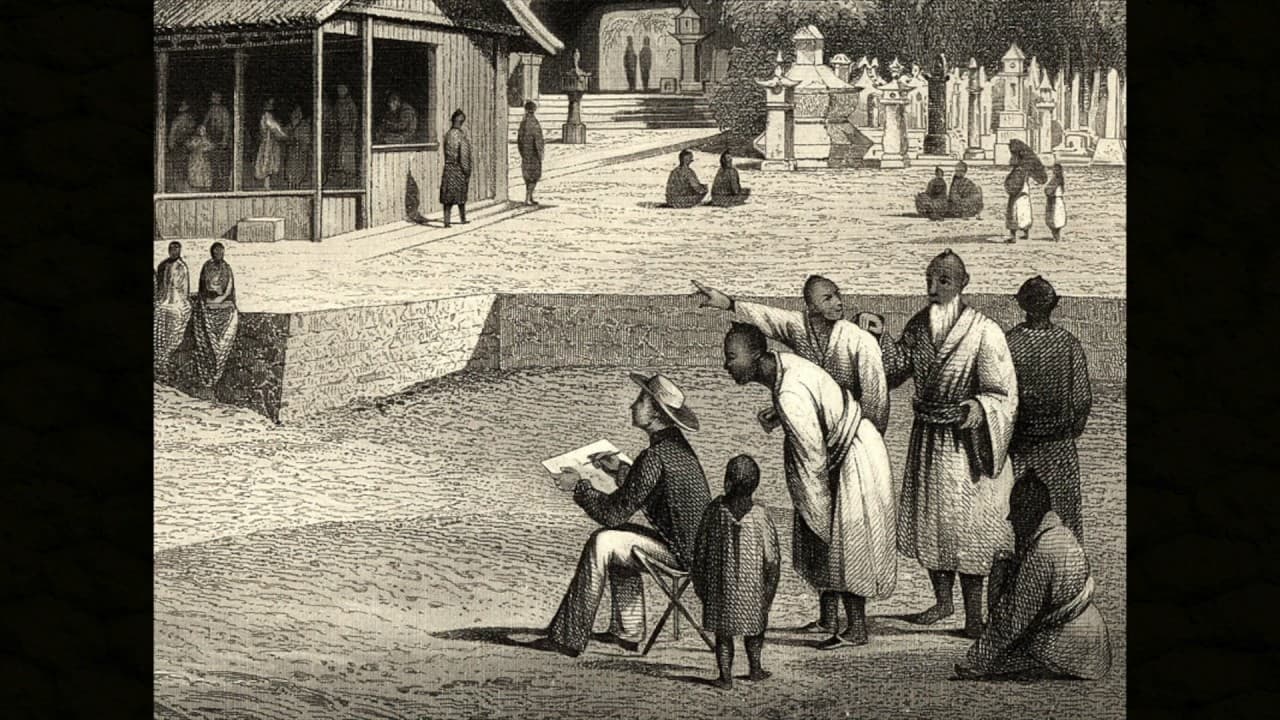
Visuals provide unique insights that text cannot convey. For example, Visualizing Cultures discovered images where the Japanese displayed curiosity about Perry's arrival, depicting costumes, instruments, and weapons with detailed notes.
Q: Who created the images depicting Japan during Perry's arrival?
Perry brought along his own artist, Heine, who fell in love with Japan. Heine's paintings depicted Japan in a beautiful and affectionate way, shaping the image of Japan in America at the time.
Q: How has Visualizing Cultures impacted education?
The program has conducted numerous workshops for schoolteachers and trained around 2,000 teachers to incorporate Visualizing Cultures into their classroom. Teachers and professors continue to use the program, and it has even influenced hiring decisions in the field of Japanese history.
Summary & Key Takeaways
-
Visualizing Cultures is a web-based history program that started in 2001 and aims to explore history through visuals, rather than just text.
-
The program focuses on specific historical events, such as Commodore Matthew Perry's arrival in Japan in 1853, which led to an explosion of images from both Americans and Japanese.
-
The program follows the principles of OpenCourseWare and allows users to freely access and use the images under Creative Commons licenses.
Read in Other Languages (beta)
Share This Summary 📚
Summarize YouTube Videos and Get Video Transcripts with 1-Click
Try YouTube Summary with ChatGPT & Claude or YouTube Transcript Generator
Explore More Summaries from MIT OpenCourseWare 📚



Summarize YouTube Videos and Get Video Transcripts with 1-Click
Try YouTube Summary with ChatGPT & Claude or YouTube Transcript Generator