Hidden Messages in Indian Temples: Revealing the Ancient Secrets of India
TL;DR
Temples are ancient time capsules conveying cultural messages across generations.
Transcript
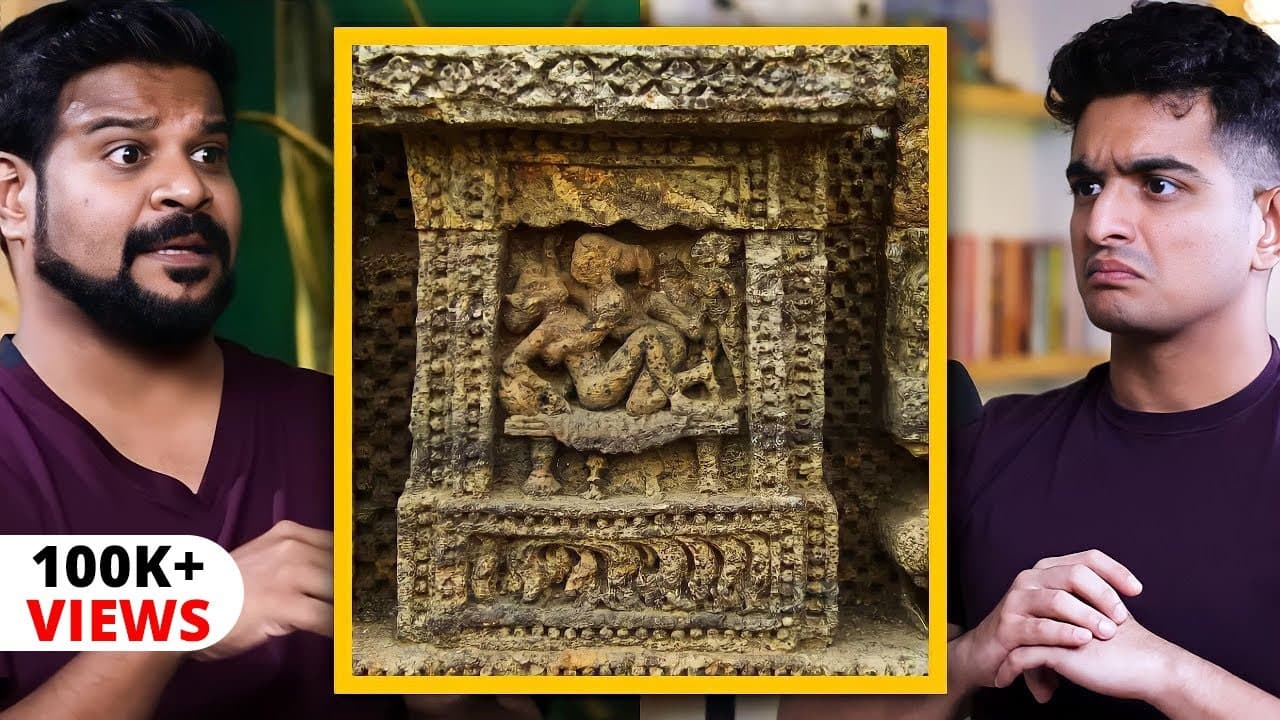
welcome to TRS Clips it's for all you guys whose attention spans are reduced because of short form content this is the highlights Channel enjoy the video and make sure you consume a bunch of highlights binge watch TRS Clips after speaking the archaeologists have learned that when you look at carvings in temples they're always messages for future Ge... Read More
Key Insights
- 🛕 Ancient temple architecture serves as an educational resource, designed to engage visitors at various developmental stages.
- 💢 Carvings in temples provide insights into not only religious beliefs but also social norms, cultural practices, and scientific knowledge of that era.
- 🫵 The juxtaposition of sacred and mundane themes in temples challenges traditional views on the ancient Indian perception of life, sexuality, and nature.
- 🫵 Temples are viewed as dynamic cultural artifacts, serving both religious and educational purposes, emphasizing their multifaceted role in society.
- 🛕 The artistic details in temples reveal historical practices and social structures, highlighting the complexity of ancient civilizations.
- 🏛️ Temples functioned as a repository of knowledge, offering a window into the lifestyles and concerns of those who built them.
- 👷 The long-lasting nature of temple constructions showcases early humans' understanding of material resilience and historical significance.
Install to Summarize YouTube Videos and Get Transcripts
Explore YouTube Video Summarizer or Get YouTube Transcript Extractor
Questions & Answers
Q: How do temple carvings serve as messages for future generations?
Temple carvings are intentionally designed to communicate specific messages and cultural values to future generations. By using durable materials like stone, they preserve these messages against the ravages of time, contrasting with less resilient mediums that could easily be destroyed. This profound understanding leads archaeologists to view these artworks as historical time capsules.
Q: In what ways do modern temples differ from ancient temples?
Modern temples are often influenced by commercial aspects, focusing on worship preferences in the community and organized events for revenue. In contrast, ancient temples were holistic constructs designed to educate people across various age groups, encapsulating cultural, scientific, and social practices through layered artistic expressions.
Q: What themes are represented in the different levels of ancient temple carvings?
Ancient temple carvings are organized to cater to different age groups. Young children see animals, middle-aged youths find science and technology, and adults encounter themes of love and societal roles. This intentional design demonstrates an understanding of human curiosity and learning stages, making temples multifaceted social educational tools.
Q: How does the carving of erotica in temples reflect ancient Indian society?
The presence of erotic carvings in temples illustrates the openness and acceptance of sexuality in ancient Indian culture. Rather than being taboo, these depictions normalized discussions about sex and reproduction, showcasing how societies acknowledge and celebrate all aspects of life, thus challenging modern perceptions of historical conservativeness.
Q: What societal practices are depicted in the carvings regarding childbirth?
Carvings portraying childbirth illustrate that women in ancient India practiced birthing while standing, a method recommended today for its benefits. Additionally, these representations indicate traditional methods of disinfection through smoke, seen in contemporary tribal practices, linking past and present cultural approaches to childbirth.
Q: Why were temples built in stone instead of other materials?
Temples were constructed in stone to ensure their messages would endure against the passage of time and potential destruction. Unlike materials like leaves or paint, stone carvings preserve information and cultural narratives effectively, maintaining a connection to the past even amidst deterioration and damage.
Summary & Key Takeaways
-
Archaeologists view temple carvings as deliberate messages intended for future generations, emphasizing longevity and preservation through stone.
-
Modern temple construction is often driven by commercial interests, whereas ancient temples reflect a layered understanding of human development and societal education through artwork.
-
The diverse carvings in temples served varied purposes, targeting different age groups with themes ranging from animals to science, reflecting the society's beliefs and practices over time.
Read in Other Languages (beta)
Share This Summary 📚
Summarize YouTube Videos and Get Video Transcripts with 1-Click
Try YouTube Summary with ChatGPT & Claude or YouTube Transcript Generator
Explore More Summaries from TRS Clips 📚





Summarize YouTube Videos and Get Video Transcripts with 1-Click
Try YouTube Summary with ChatGPT & Claude or YouTube Transcript Generator