How to foster true diversity and inclusion at work (and in your community) | Rosalind G. Brewer
TL;DR
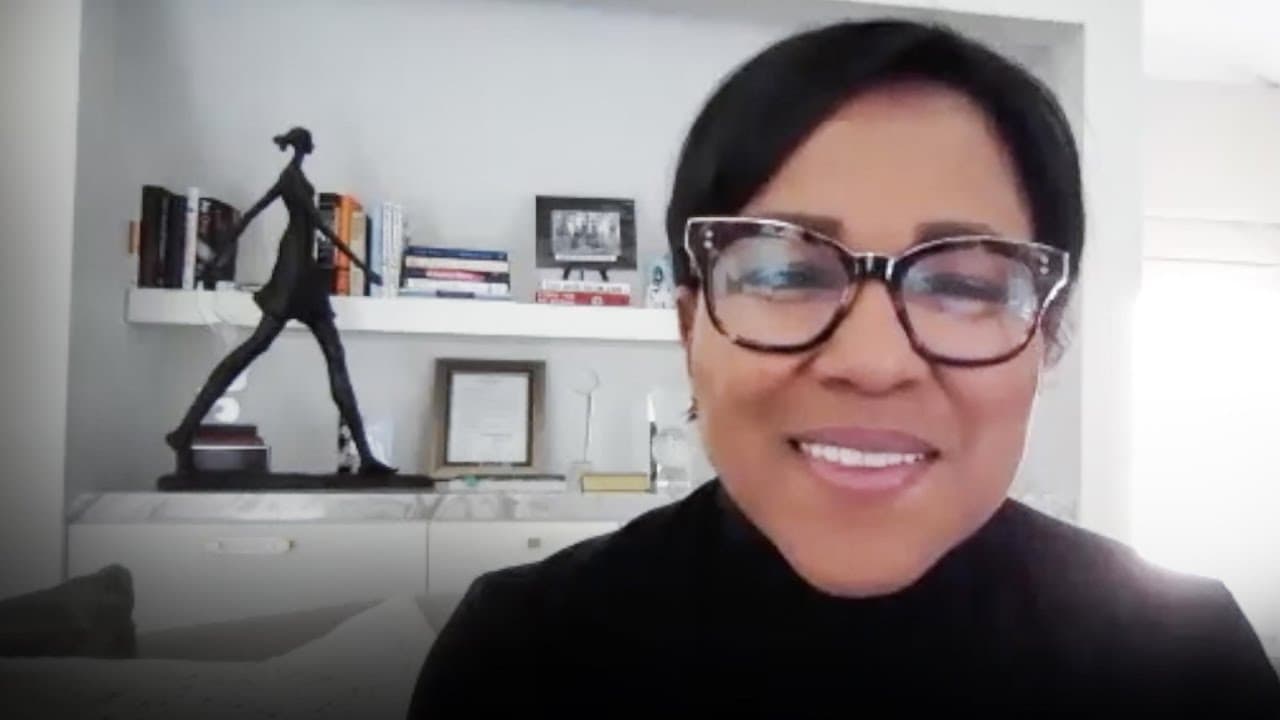
In this conversation, Roz Brewer discusses the importance of diversity and inclusion in the workplace, the need for inclusion and relationship-building, and the challenges and opportunities for creating more diverse leadership roles.
Transcript
Whitney Pennington Rodgers: Hi, Roz Brewer. Thanks so much for being with us today. Rosalind Brewer: Thank you for having me. WPR: We can just dive right in. We're right now in the last quarter of 2020, and I think that a lot of people would agree that we're in the midst of what's probably one of the largest reckonings around racial equity that we'... Read More
Key Insights
- 🗣️ This moment is causing a reevaluation of diversity and inclusion efforts in the workplace, highlighting the need for greater focus on inclusion.
- 🌍 There is untapped talent available for diverse roles, but a lack of investment in development and creating inclusive environments has hindered progress.
- 📣 Organizations should move beyond performative statements and instead engage in open dialogue, hold listening sessions, and involve diverse employees in conversations about change.
- 🚫 Pitfalls to avoid include a focus on meeting numerical diversity goals without prioritizing relationship-building and lasting inclusion. ⏰ There are both short-term and long-term actions that can create tangible change, including partnerships with community organizations, grassroots engagement, and courageous conversations.
- 💪 Leadership is vital in creating change, and leaders at all levels should be invested in addressing these issues. Tough conversations are necessary, and leaders should be willing to learn, listen, and take action.
- 💼 Creating a diverse and inclusive pipeline for leadership positions is crucial, and companies should provide extraordinary experiences and structured mentorship to nurture diverse talent and close the leadership gap.
- 🌟 While it's early days, there is hope for progress as conversations, self-reflection, and a broader understanding of the complexities of diversity and inclusion are taking place. The pandemic has further highlighted the importance of addressing inequities.
Install to Summarize YouTube Videos and Get Transcripts
Explore YouTube Video Summarizer or Get YouTube Transcript Extractor
Questions & Answers
Q: What does this moment mean for diversity, equity, and inclusion (DEI) efforts in corporate America and in business in general?
This moment has made many people in the corporate setting and beyond rethink the position on diversity and inclusion in the workplace. It has brought attention to the weaknesses and lack of focus that should have always been present in this area. It highlights the need for more focus on inclusion, creating environments where people feel safe and can bring their whole selves to work.
Q: How do we make a real difference in diversity and inclusion efforts without just engaging in performative justice?
It starts with creating an inclusive environment where people feel heard and seen. This can be achieved by holding listening sessions, engaging different viewpoints, and involving partner networks in decision-making. It's important to build relationships, have courageous conversations, and involve diverse backgrounds in shaping the changes they want to see. Rather than jumping straight into training and development, grassroots conversations and actions are key to making a real impact.
Q: When should organizations respond to protests and cultural moments related to racial equity, and what should we look for to see real change take effect?
Organizations should respond to protests and cultural moments related to racial equity in both the short and long term. In the short term, engaging with partnerships and organizations in local communities can help employees feel safe and included beyond the workplace. In the long term, fostering relationships, having conversations, and involving families in diversity discussions can drive change. It is important to recognize that diversity and inclusion efforts are ongoing and require comprehensive action.
Q: What are some pitfalls that business leaders fall into that are not supportive of diversity and inclusion efforts?
One pitfall is focusing solely on meeting diversity targets and numbers without truly understanding and valuing differences. Building strong relationships and partnerships should be prioritized over just achieving numbers. It is crucial to create lasting relationships that are based on understanding and appreciating diverse perspectives. Falling into the race for numbers can undermine real, lasting change in organizations.
Q: How did the incident in Philadelphia help prepare you as an individual business leader and as an organization to approach the issues we are currently experiencing?
The incident in Philadelphia was a leadership failure but presented an opportunity for growth. To address the issue, Starbucks conducted antibias training that involved self-engaged conversations among employees. These conversations created a movement and a platform for discussions on diversity and inclusion. Starbucks has also reached out to organizations to build community leadership. This experience has shaped the way Starbucks approaches conversations and actions on diversity.
Q: How can organizations approach diversity differently to see more people of color in leadership positions?
Organizations need to focus on developing young, diverse talent and providing them with extraordinary experiences and exposure. Structured mentorship, led by executive leaders who act as sponsors, can help close the gap in the leadership pipeline. By investing in diverse talent early and offering opportunities for growth, organizations can increase the representation of people of color in top leadership positions and create a more inclusive environment.
Q: How do you approach conversations about diversity and inclusion with colleagues and counterparts who may not have the same level of personal investment in these issues?
Sharing personal stories and experiences can help colleagues understand the importance of diversity and inclusion. Being open to answering questions and having conversations about different cultures and perspectives is crucial. Encouraging others to lean in, learn, and ask questions can foster understanding and build relationships. It is essential for everyone, particularly white counterparts, to recognize that these issues are not exclusive to certain individuals and that everyone can contribute to creating a more inclusive environment.
Q: How do you respond to those who think it is better to avoid conversations about diversity and wait for the moment to pass?
Avoiding conversations about diversity is not leadership. Leaders should embrace the moment and take action, recognizing that this is a calling to address racial equity. Engaging in tough conversations is necessary, as this is a comprehensive issue that affects individuals both personally and professionally. Waiting for the moment to pass only perpetuates the status quo. Instead, leaders should reach out, ask questions, and foster change by being present and willing to learn and challenge their own perspectives.
Q: Are you hopeful that progress is being made in these efforts towards diversity and inclusion?
While it is still early days, there is reason for hope. Conversations about diversity and inclusion are happening, and there is a growing awareness of the interconnectedness of issues such as the pandemic's impact on diverse communities. This increased awareness may lead to broader, more comprehensive solutions. By understanding the complexity of these issues, there is an opportunity for real change. It is important to seize this moment and continue the momentum for lasting progress.
Summary & Key Takeaways
-
Rosalind Brewer emphasizes the need for greater focus on inclusion in diversity and inclusion efforts within corporate America and business in general.
-
She highlights the underdevelopment of diverse talent due to a lack of emphasis on creating safe and supportive work environments where individuals can be their true selves.
-
Brewer suggests that building relationships, holding listening sessions, and engaging in grassroots conversations are key steps to making a real difference in diversity and inclusion, rather than relying solely on training and development programs.
Read in Other Languages (beta)
Share This Summary 📚
Summarize YouTube Videos and Get Video Transcripts with 1-Click
Try YouTube Summary with ChatGPT & Claude or YouTube Transcript Generator
Explore More Summaries from TED 📚




Summarize YouTube Videos and Get Video Transcripts with 1-Click
Try YouTube Summary with ChatGPT & Claude or YouTube Transcript Generator