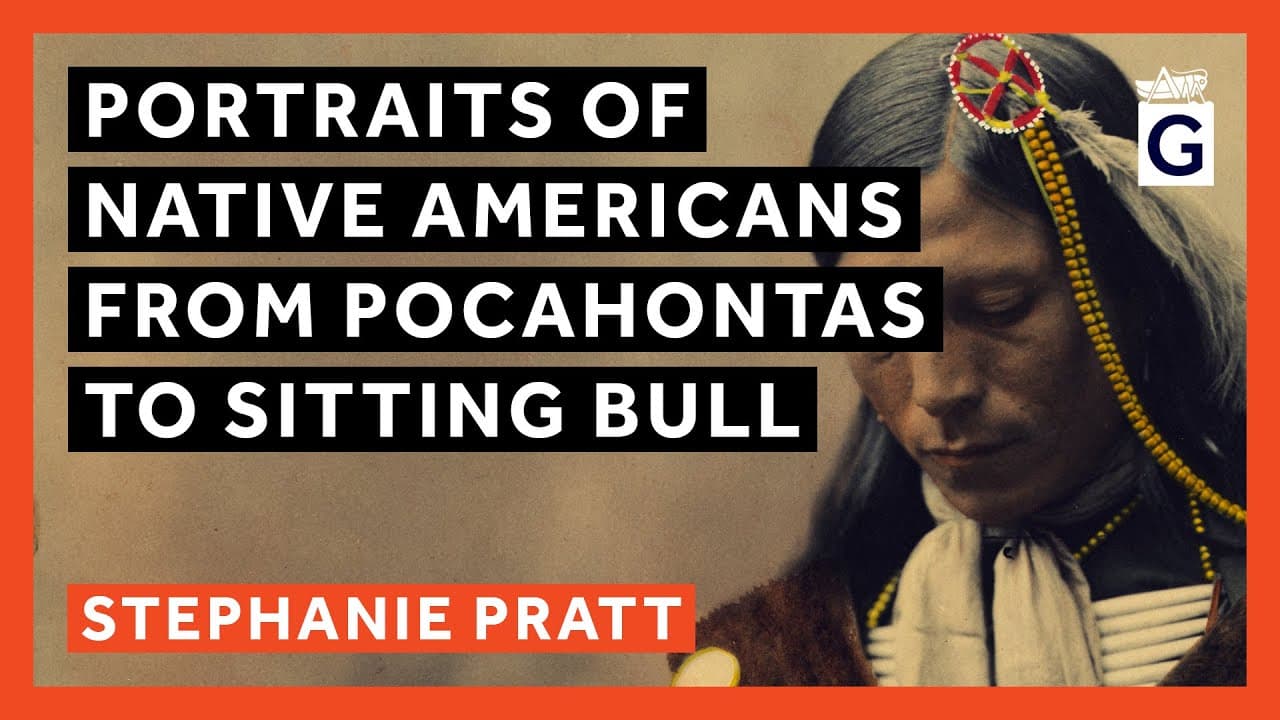
Portraits of Native Americans from Pocahontas to Sitting Bull
TL;DR
Portraits of historically significant indigenous Americans depicted their encounters with European artists, shaping public perceptions.
Transcript
foreign I'm speaking to you this evening on a topic that should be much better known than it is even among my friends and acquaintances in the UK I find that few people know much or indeed anything about the historically significant indigenous Americans who visited this country during the colonization of North America yet from the late 16th century... Read More
Key Insights
- 🧑🎨 Portraits of indigenous Americans served as contact zones between European artists and indigenous sitters, reflecting cultural encounters.
- 🧡 The purpose of these portraits ranged from documenting individual appearances to constructing broader narratives and shaping public perceptions.
- 😀 Artists faced challenges in capturing the indigenous identity of sitters within the constraints of European artistic conventions.
- 🇨🇫 Indigenous leaders like Pocahontas, Cherokee delegates, and Sitting Bull became celebrities, attracting public interest and commercialization.
- 😌 The significance of these portraits lies in their role as visual testimonies of encounters between different cultures and the power dynamics at play.
- 📒 Indigenous artifacts like ledger drawings offer insights into how indigenous Americans represented themselves through visual narratives.
- ❓ The portraits underscore the complexities of representation and identity in the context of colonial encounters.
Install to Summarize YouTube Videos and Get Transcripts
Explore YouTube Video Summarizer or Get YouTube Transcript Extractor
Questions & Answers
Q: What was the significance of the portraits of indigenous Americans during colonization?
The portraits served as visual testimonies of the encounters between indigenous leaders and European societies, shaping public perceptions.
Q: How did the artists approach the portrayal of indigenous sitters in their portraits?
The artists faced challenges in depicting the indigenous identity of the sitters, balancing European artistic conventions with the sitter's cultural background.
Q: Were these portraits commissioned for specific purposes or created for broader audiences?
The portraits of indigenous Americans had varying purposes, from documentation to propaganda, catering to public interest and shaping narratives.
Q: Did indigenous Americans have agency in how they were represented in these portraits?
The sitters accommodated themselves to the portrait-making process, but the extent to which they could express their indigenous identity within European artistic norms remains uncertain.
Summary & Key Takeaways
-
Historically significant indigenous Americans visited Europe during colonization, with portraits highlighting their encounters.
-
The portraits served as a form of visual testimony of these indigenous leaders and their interactions with European societies.
-
The purpose of these portraits ranged from documentation to propaganda, reflecting shifting cultural dynamics.
Read in Other Languages (beta)
Share This Summary 📚
Summarize YouTube Videos and Get Video Transcripts with 1-Click
Try YouTube Summary with ChatGPT & Claude or YouTube Transcript Generator
Explore More Summaries from Gresham College 📚

Summarize YouTube Videos and Get Video Transcripts with 1-Click
Try YouTube Summary with ChatGPT & Claude or YouTube Transcript Generator