What Monsters Are in Cabin in the Woods and Their Roles?
TL;DR
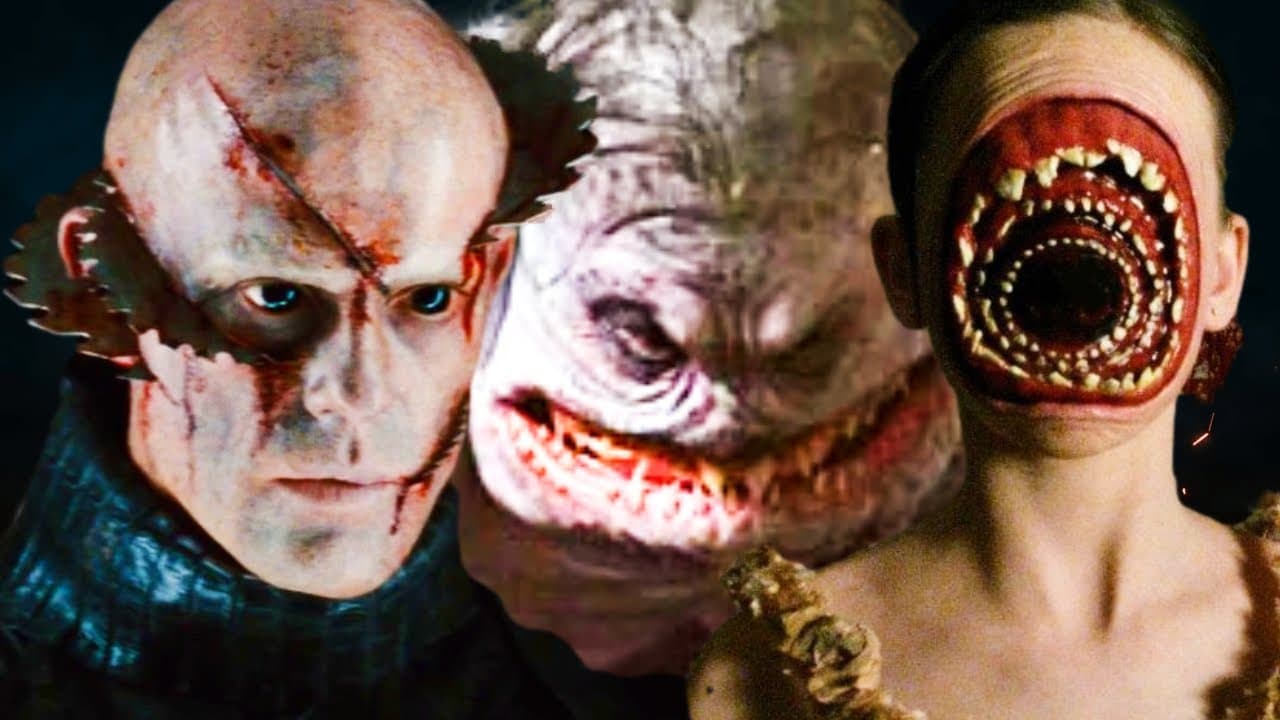
The monsters in 'Cabin in the Woods' represent various horror tropes, each integral to the film's meta-narrative. From the merman to Fornicus, these creatures personify the genre's clichés, while the story critiques the formulaic nature of slasher films and the necessity of human sacrifices to appease ancient gods. Their unique killing methods highlight deeper societal fears and taboos.
Transcript
[Applause] twelve unsettling monsters of cabin in the woods explained in detail the cabin in the woods is a slasher horror flick with more to it than meets the eye it's easy to dismiss it as just another stereotypical slasher but the effect was purposeful in order to bring out the best of the thought-provoking narrative director drew goddard is no ... Read More
Key Insights
- 😱 "Cabin in the Woods" utilizes horror genre conventions to build a self-aware narrative that critiques slasher films.
- 😱 The monsters serve not just as physical threats but as symbols reflecting the audience's relationship with horror storytelling.
- 😱 The film blends humor and horror, allowing audiences to enjoy the absurdity of horror tropes while delivering genuine scares.
- 😱 The expert direction from Drew Goddard offers both a tribute to and a critique of classic horror myths, creating a layered experience.
- 😨 Each monster's unique method of killing feeds into the film's exploration of various fears and societal taboos.
- 😒 The use of a betting system among the facility's staff highlights the absurdity of violence in horror cinema and societal fascination with death.
- 😱 The juxtaposition of comedic and terrifying elements bridges the gap between appreciation for horror tropes and questioning their implications.
Install to Summarize YouTube Videos and Get Transcripts
Explore YouTube Video Summarizer or Get YouTube Transcript Extractor
Questions & Answers
Q: What role does the committee play in "Cabin in the Woods"?
The committee is a controlling entity that oversees the ritualistic sacrifices of victims to appease ancient gods. They operate from an underground facility, watching as the events unfold above. Their role is crucial as they control which monsters are unleashed based on the choices made by the group, ensuring the horror follows a preordained structure that aligns with traditional slasher narratives.
Q: How does "Cabin in the Woods" reinterpret typical horror clichés?
The film uses established horror clichés as intentional devices to subvert audience expectations. By deliberately presenting stereotypical characters such as the athlete and the virgin, it calls attention to their roles in horror films. The culmination of these tropes leads to a twist where the narrative subverts predictability, making the audience question why these archetypes are so prominent in horror cinema.
Q: Can you describe the significance of the monsters featured in the film?
Each monster symbolizes a specific horror archetype or trope, serving to critique genre conventions. For example, the merman embodies the grotesque nature of horror creatures, while Fornicus reflects the phyche of pain and suffering found in slasher films. This allows the narrative to explore the deeper themes of fear and sacrifice while providing a variety of monstrous representations that highlight horror’s richness.
Q: What is the merman, and how does it function in the film?
The merman is a horrifying hybrid creature, half-human and half-fish, characterized by its sharp teeth and grotesque appearance. It functions as a chilling representation of horror tropes that focus on aquatic terror. Its gruesome methods, including using its blowhole for attacks, contribute to the film’s gruesome aesthetic. The interactions with its selection process add layers to the film's dark thematic elements of sacrifice.
Q: Who comprises the zombie redneck torture family, and what is their significance?
The Buckner family, referred to as the zombie redneck torture family, plays a vital role in continuing the film's themes of pain and horror. Unlike traditional zombies, they are cunning and can coordinate attacks, reinforcing the idea that horror can arise from intelligent evil as well. Their practices draw parallels to historical serial killers, adding a layer of realism to the horror elements in the film.
Q: What thematic message does "Cabin in the Woods" convey about horror filmmaking?
The film conveys a meta-commentary on horror filmmaking, emphasizing how genre conventions are often recycled and manipulated for suspense. By exposing the machinery behind horror narratives, it encourages viewers to reflect on the necessity of certain tropes, the nature of fear, and the ethical implications of utilizing violence and suffering for entertainment. It critiques the audience’s appetite for horror while reflecting on its cultural significance.
Summary & Key Takeaways
-
"Cabin in the Woods" is a meta-horror film that critiques slasher tropes while utilizing a variety of monsters that symbolize horror conventions.
-
The narrative reveals a dark scheme involving ancient gods that require human sacrifices, showcasing how filmmakers intentionally use stereotypes to construct horror experiences.
-
The film cleverly presents several monsters, such as the merman and Fornicus, each representing unique horrific archetypes while exposing the absurdities of genre conventions.
Read in Other Languages (beta)
Share This Summary 📚
Summarize YouTube Videos and Get Video Transcripts with 1-Click
Try YouTube Summary with ChatGPT & Claude or YouTube Transcript Generator
Explore More Summaries from Marvelous Videos 📚



Summarize YouTube Videos and Get Video Transcripts with 1-Click
Try YouTube Summary with ChatGPT & Claude or YouTube Transcript Generator